


I have been reviewing handhelds for well over 10 years now, and as the years go on, they keep getting better and better, and cheaper too, which lowers the barrier of entry for those wanting great gaming and retro emulation performance on something that doesn't break the bank.
Over the last few years, there have been a few exceptional devices that have been launched for under $100, and I want to share with you some of my favourites, some as cheap as $40, some at $99, all ranging from Linux to Android to vertical form factors, to displays that flip out like a 2000s mobile phone. Some for beginners, some requiring a little bit of experience when setting up. So, after years of testing handhelds, here are my go-to handheld game consoles under $100 that you can buy easily today, direct from the manufacturers.
TRIMUI Brick Pro
- Release Date: July 2026
- Pricing: $99
- Where To Buy: TRIMUI's Official Store
- Read our full review
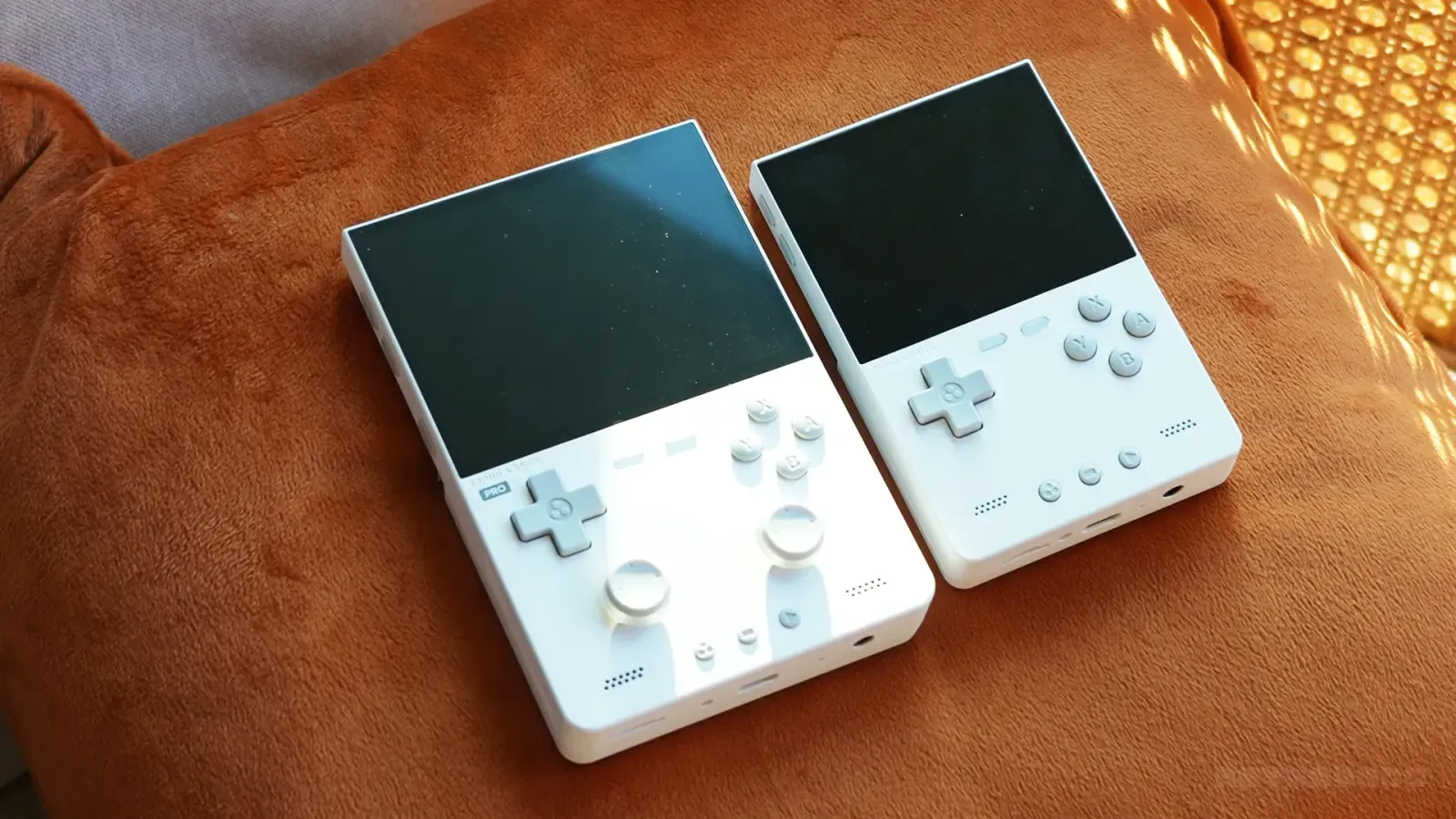
The TRIMUI Brick somewhat surprised me during my review process, not because of how well it was designed but because I didn't believe I'd like TRIMUI's take on this formfactor after having many vertical devices like this in my collection, but they managed to pull it off while keeping the modern and minimal TRIMUI design philosophy that many gamers love. Yes, before you ask, it feels like a big TRIMUI Brick.
This is a larger vertical, featuring a 3.95" IPS display, with minimal borders and a bright 1024 × 768 resolution that comes in at a 4:3 ratio, perfect for retro games. It's paired with an Allwinner A133P CPU and 1GB of RAM, with two joysticks, light buttons, dual facing speakers and removable shoulder buttons that I absolutely love; they even light up too.
For me, this is one of the more beautifully designed affordable handhelds, especially if you have a keen eye for product design; it's not slapped together. Good quality materials have been used, and the price is affordable because they haven't crammed it with big specs and expensive displays. Nor is it running Android; instead, Linux with a sleek custom front end that's easy to use and understand.
In terms of performance, you can emulate most games up to Nintendo 64, alongside some Dreamcast if you want to push it to its limits, which somewhat makes one of the sticks redundant, and that's true; I rarely used it, but that power is all I need on a sub-$100 device, and it does it reliably all day, every day. This is an easy, modern, well-designed retro handheld that I know many handheld enthusiasts will love, and is one of my favourites of this entire list, for good reason.
ANBERNIC RG SP
- Release Date: August 2026
- Price: $64.99
- Where To Buy: ANBERNIC's Official Website
- Read our full review
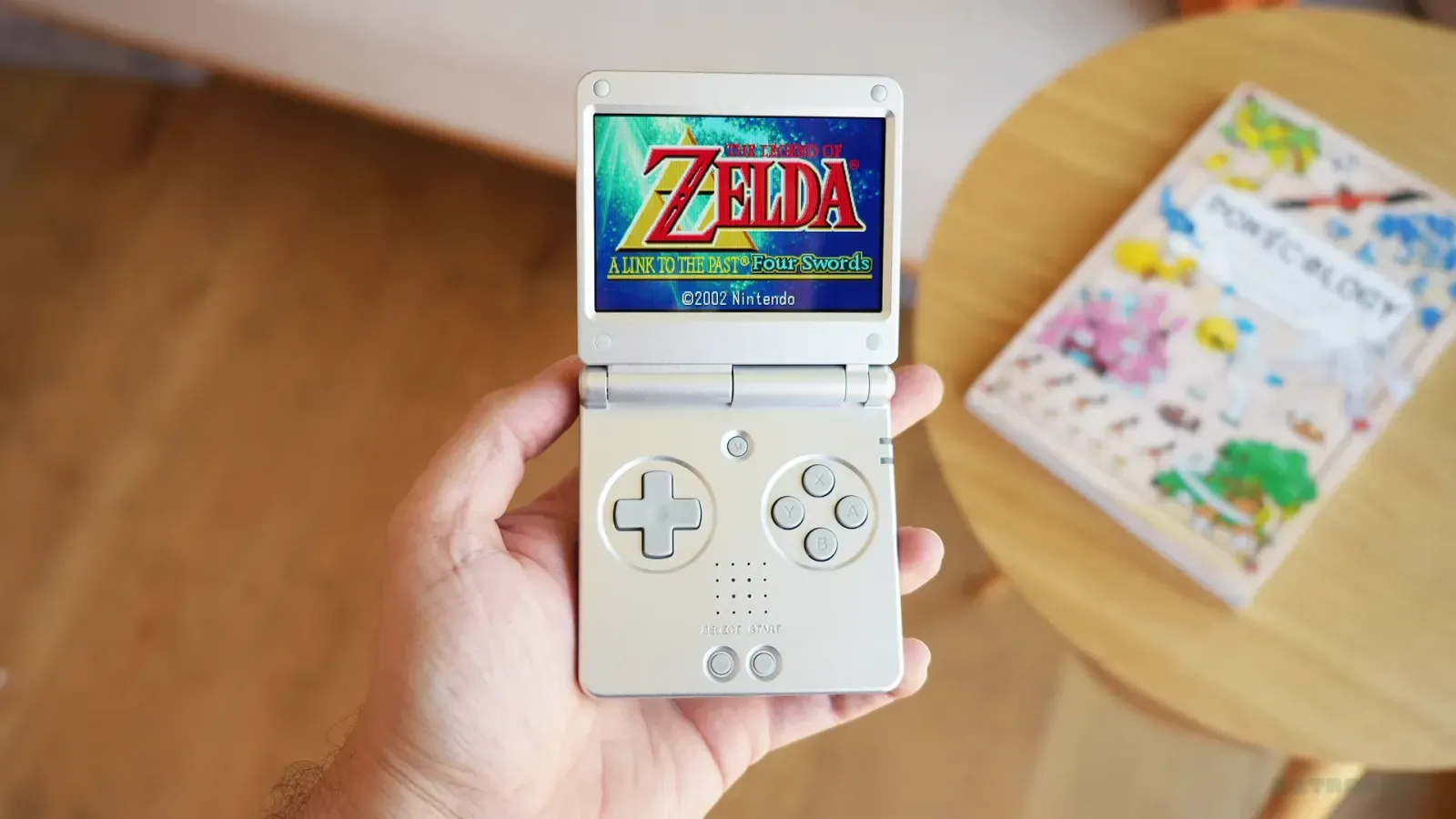
If you want one of the best pick-up-and-play retro handhelds on the block, that's ready to go straight out of the box, then ANBERNIC's new RG SP is the one to go for, wrapped in a shell designed specifically to look like the infamous Nintendo GAME BOY Advance SP, so much so that bypassers will think it's the real deal.
It comes with an alloy hinge to make the device last as long as possible, paired with a 3.4" IPS 720p display, an Allwinner H700 CPU, 1GB RAM and a 3300mAh battery. All ran on a Linux OS that's designed for newcomers; I'd even say children could understand that frontend on here, as it has big text and images of the console and box art/images of the games that you install on here, making it an all-round pocket-friendly device that's easy to use for all ages.
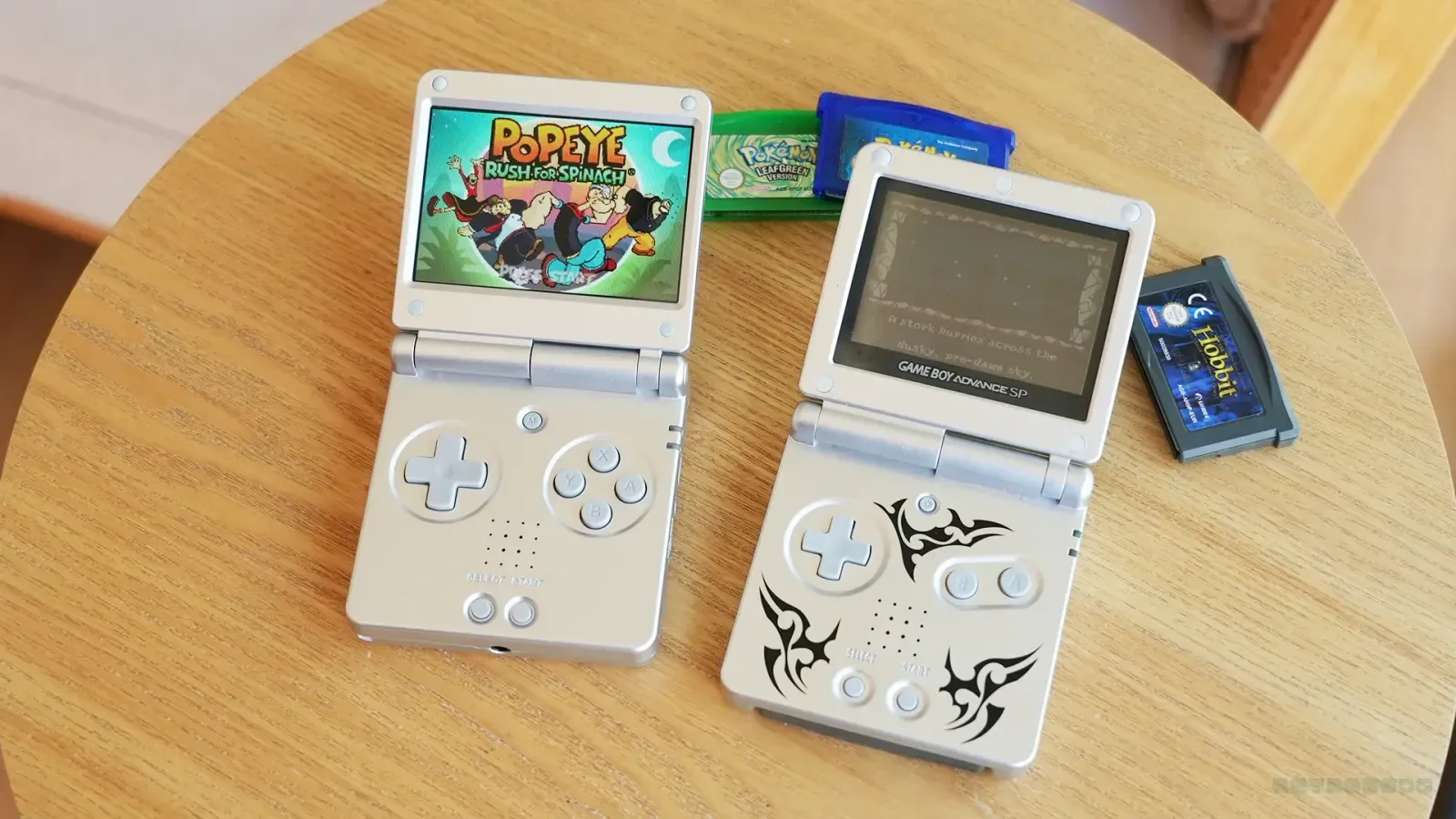
The screen is bright, has little to no bezels because the top shell hides them, and the speaker packs a punch too, making it a viable "outdoor" handheld, which is something I can't say for many cheaper retro handhelds. The buttons are bouncy, and try to feel like the GBA SP, but I'll be honest, fail in a way that I don't mind; the same goes for the back shoulder buttons. This isn't built to be comfortable; it sacrifices that for portability.
In terms of performance, this will get you up to PlayStation 1 emulation well, and because it lacks an analogue stick, it kinda limits itself to that, on purpose, because the 3.4" display can only get you so far, so I found myself playing lots of GBA, Sega Mega Drive, PS1 and even Neo Geo. It's the device that comes with me for less serious, short blasts of gaming, and to scratch my nostalgic love for the GBA SP.
RG DS Plus
- Release Date: August 2026
- Pricing: $95
- Where To Buy: ANBERNIC.com
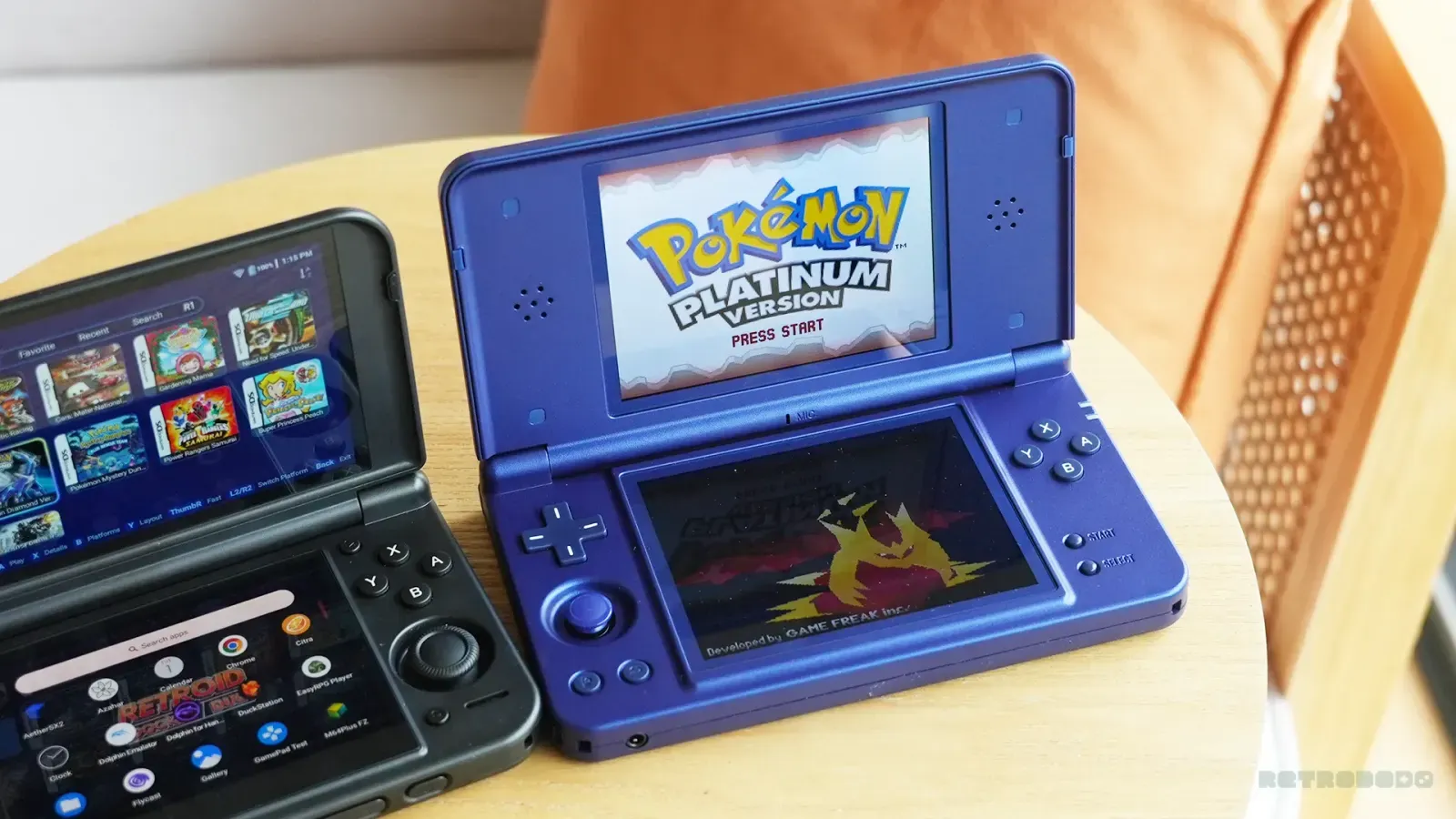
The RG DS Plus by ANBERNIC is their second take on dual-screen handhelds and is their most affordable of the bunch, coming in at just $95 and running on a Linux OS with a custom Nintendo DS emulator built specifically for this device so that you can have the best emulation quality possible. And that's exactly who they are targeting: Nintendo DS enthusiasts who want a truly portable retro games console.
This is a suprisingly big device, so you'll need to put this in a sling or a backpack, though it's not heavy at all, just a very wide fella. This features not one, but two 4.3" IPS displays, with a resolution of 1024 x 768. Both are bright, have minimal hinges and are touchscreen; it even comes with a hidden stylus that can work with the bottom display should you want to play the classic stylus games on NDS.
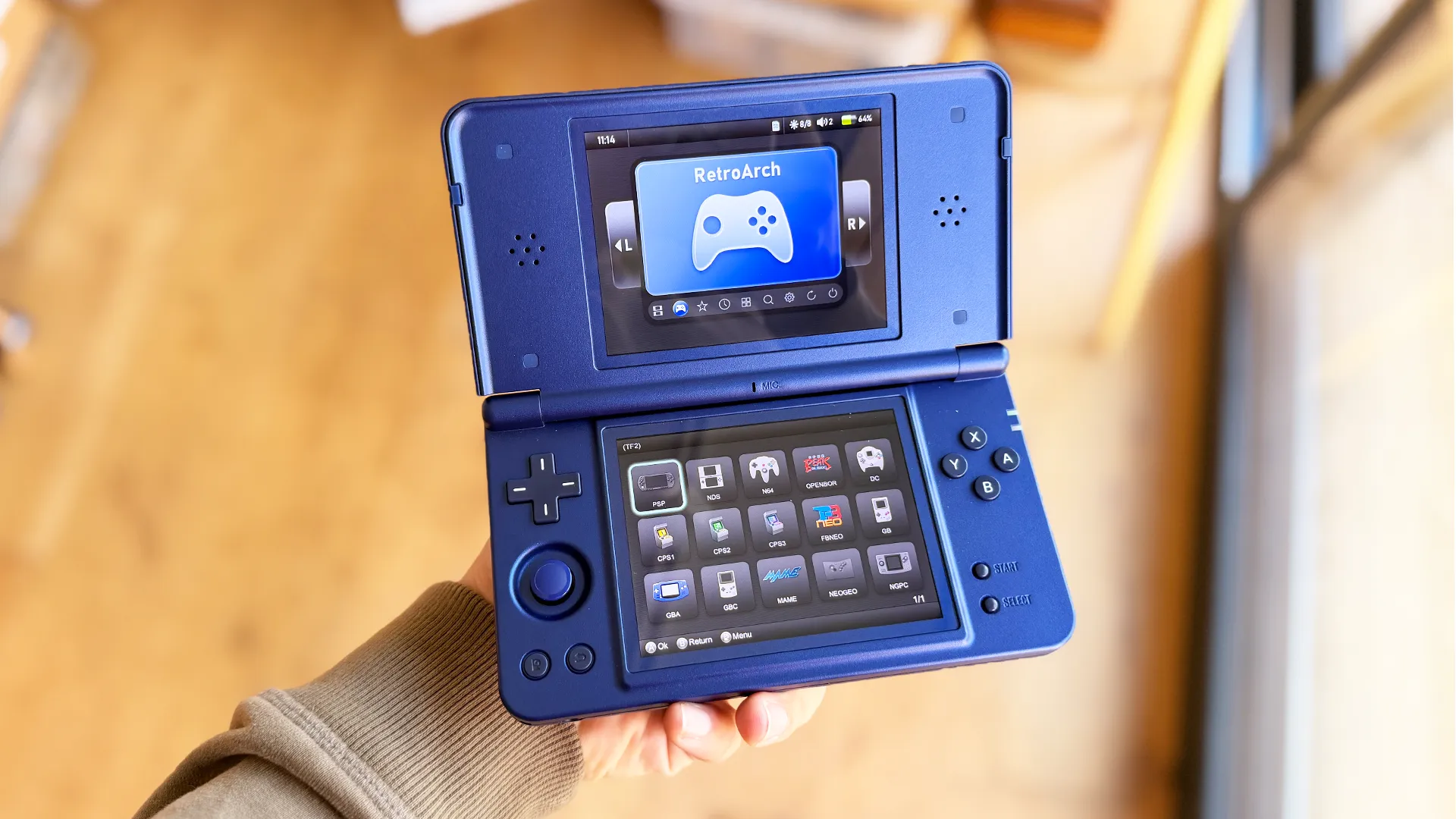
The buttons are all very light, fast to touch, and the shoulder buttons resemble those of the NDS too, side by side, small, blocky and easy to press. The analogue stick is okay; I'm not a fan of it personally, as it's thin, has minimal grip and looks a little cheap in my opinion, though it does the job. There are also front-facing speakers, just like the NDS.
Power-wise, it can do Nintendo DS at native resolution at good frame rates, but that's as far as it will go. It's purposefully designed that way, offering Nintendo 64, Dreamcast, GBA, and PSP gameplay should you need it, and to take advantage of the single joystick. When the second screen is not in use, it will show the console you are using, or you can switch to internal settings to change brightness, etc. It's the best sub-$100 dual-screen retro handheld on the block... speaking of blocks.
KONKR Pocket Block
- Release Date: October 2026
- Pricing: $89 - $109
- Where To Buy: AYANEO.com
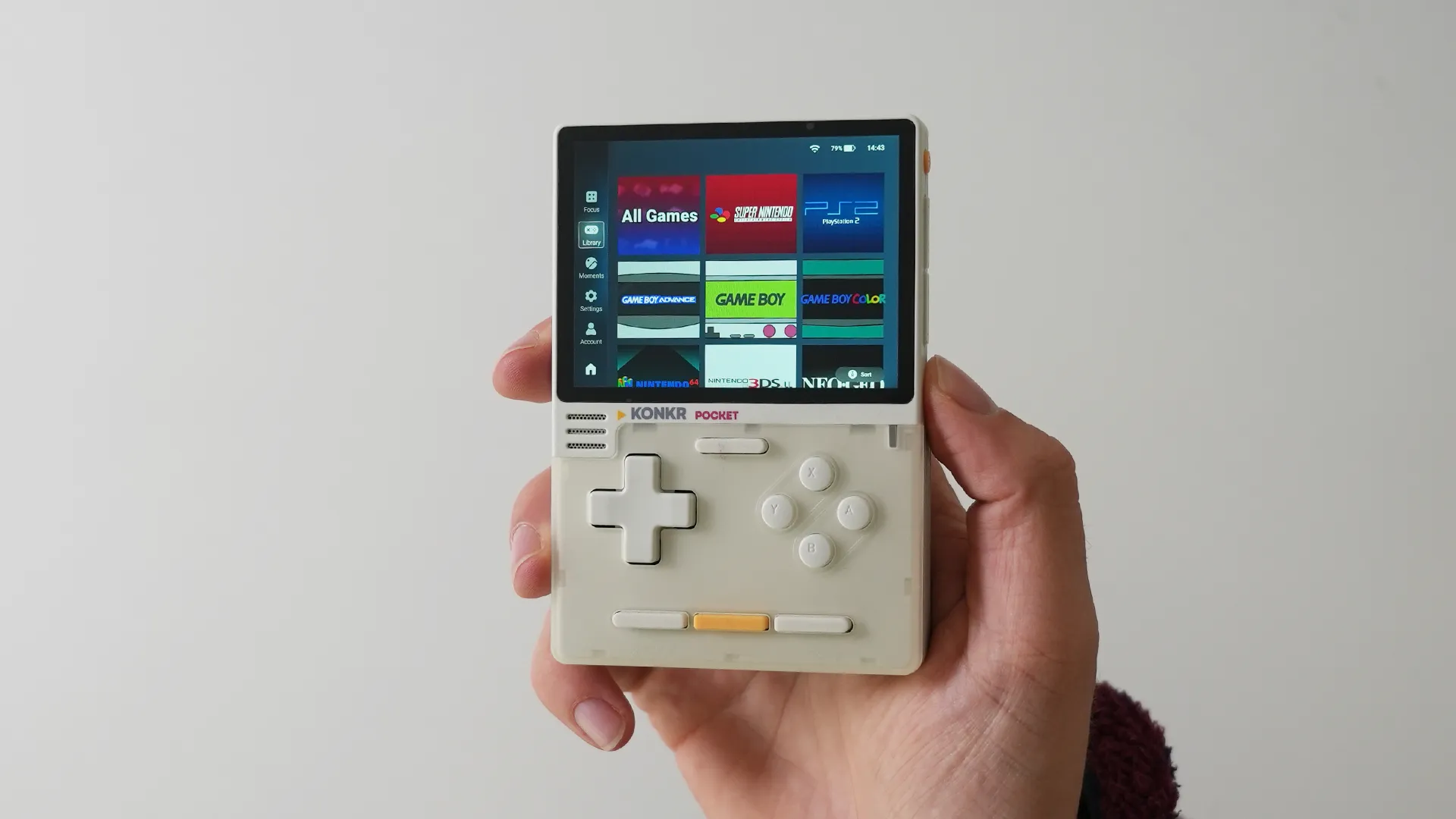
The KONKR Pocket Block is made by AYANEO, renowned for creating an array of premium and affordable devices over the years, but this here is their smallest Android handheld yet, and it's been designed with retro-future aesthetics alongside a nice bit of pocket power, turning it into a unique mini handheld that I have a hard time ignoring.
Half of the device is taken up by the 3.33" LCD 4:3 display, and it's a nice one at that: bright, crisp and has a resolution of 960 x 720, capable of perfect pixel-to-pixel rendering on some of your retro games. Then below that, a cyber-styled front speaker, and small action buttons that are light to press, opposite to the clunky DPAD that feels nostalgic and features good movement.
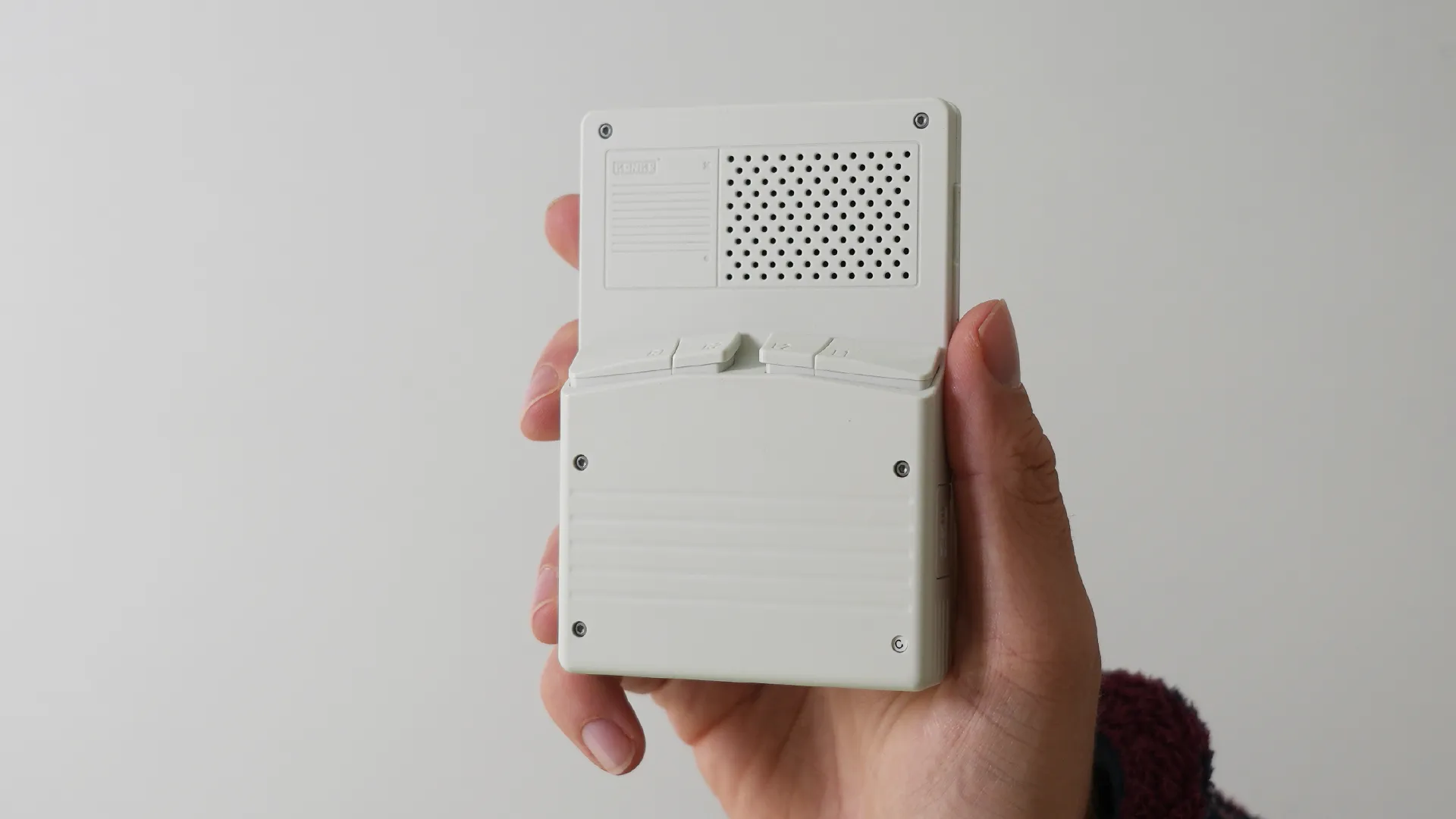
Around the device are subtle cyber-aesthetics such as the bright orange on the button, slightly frosted transparency on the shell, and textured backplates that accompany the small shoulder buttons in a way that adds to the charm of the device and pairs with handheld emulation very well, though larger consoles such as N64, PS1 and Dreamcast will feel a little cramped on here if you do explore that area of gaming.
It comes with Android as mentioned but also AYASpace, which is AYANEO's own frontend to organise your games and manage your console settings. It's a good frontend and one that many still use, but it does feel overwhelming for this small device, so I reccomend downloading something like Socket to simplify the software feel. But that aside, it's a great affordable, premium pocket-friendly handheld that can do a lot, maybe even too much considering it can emulate a select few PSP titles, Nintendo 64 and more, all too far for this display personally, but I do love exploring Neo Geo, GBA and Game Gear games on here; it's a beautiful device that can be pushed far beyond what you expect from this sized handheld.
TRIMUI Brick Hammer
- Release Date: Late 2025
- Pricing: $89.99
- Where To Buy: TRIMUI's Website
- Read our full review
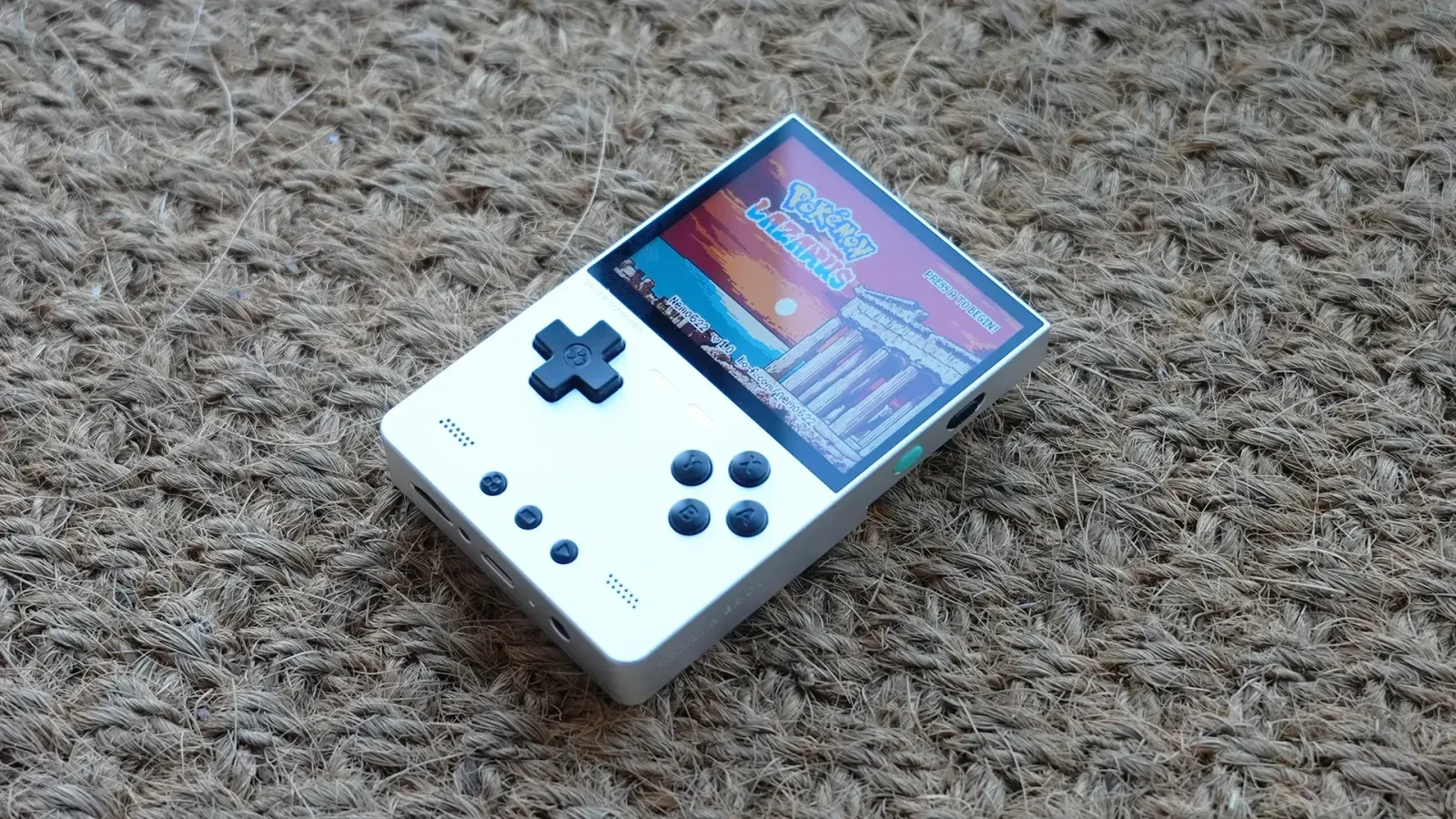
This is a device that perfected the previous TRIMUI Brick, all thanks to its brand new metal shell that added the premium touch it needed and the best bit? It still costs less than $100, and it has become one of my favourite handhelds for playing Pokémon ROM Hacks on the go thanks to its minimal, metal feel and gorgeous little display.
The TRIMUI Brick Hammer is a pocket-friendly device with a 3.2" display, replaceable shoulder buttons, no joystick, USB-C charging, some nice LED lighting on the front and back, and a metal shell that keeps everything incredibly well protected. This does come in a non-metal version known as the TRIMUI Brick, but the Hammer version adds to the quality and feel; in my opinion, it's quite unlike anything on the market at this formfactor.
It comes with TRIMUI's Linux frontend, a bit like the Brick Pro that featured higher up this list, which is simple, clean and complements the build well. In terms of performance, this will get you up to PlayStation 1 very well, but the screen size and form factor complement the smaller consoles such as GAME BOY, NeoGeo, Game Gear and PS1 if you really want to cram it onto the small display.
I love this quite simply due to its build philosophies; it's been designed for the minimal lover, with swappable shoulder buttons that can add some length on the back if you want your fingers to rise higher, but as I mentioned, I really found this to pair well with GBA ROM Hacks because of the screen ratio, resolution for upscaling and button layout. It's a beauty.
ANBERNIC RG 35
- Release Date: September 2026
- Pricing: $37.99
- Where To Buy: ANBERNIC.com
- Read our full review
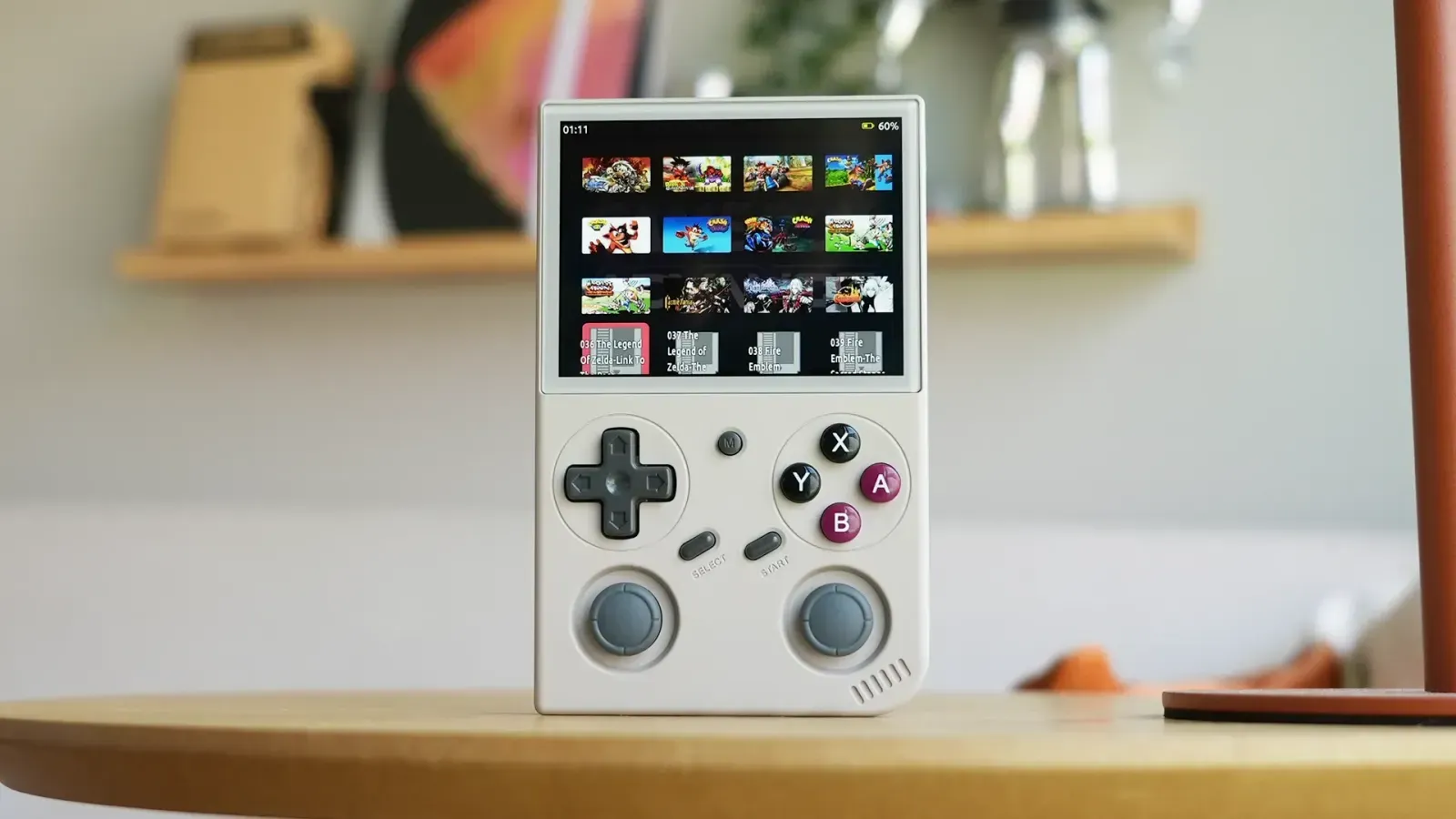
This is an absolute steal and one I covered in a full review recently, stating that it's the best sub-$40 handheld I have ever reviewed, and it's become my go-to recommendation for anyone starting in the handheld emulation space, even going as far as saying it's a good device for kids/teenagers too.
ANBERNIC's RG 35 is a low-end Linux handheld with enough power to support up to and including PlayStation 1 emulation on a very bright, crisp 3.5" IPS display, alongside high-quality buttons, somewhat comfortable shoulder triggers and two analogue sticks, turning it into an all-round disposable device that only costs $38.
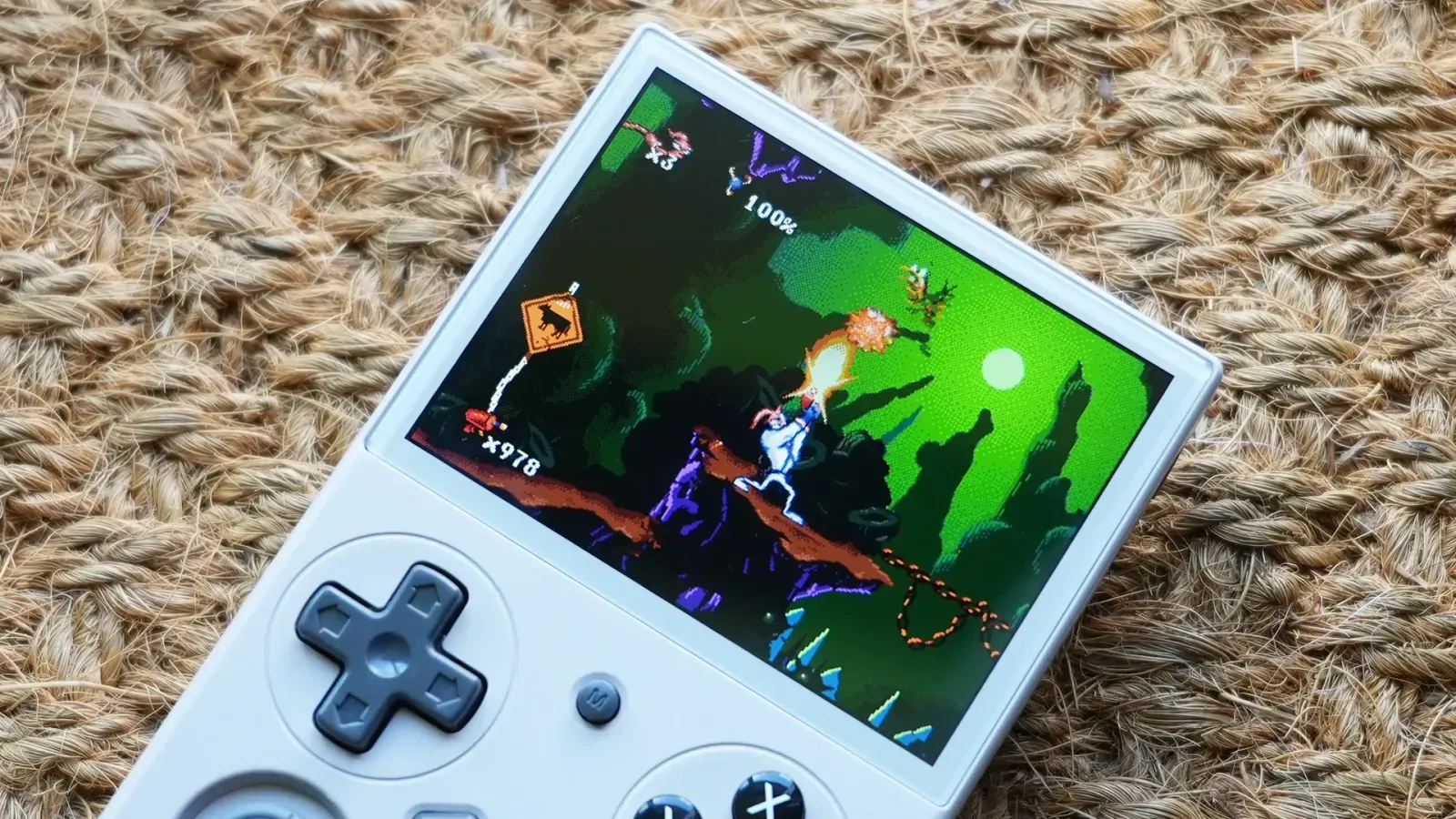
It runs on a very basic Linux OS with an easy-to-understand frontend that requires you to install your own ROMs via the SD card slot. Once down, it will organise them for you, with titles and gameplay in designated console categories, making it a simple, and I'll admit slightly dull, way to explore your games, but it does the job. My expectations for a remarkable user experience were low due to the price, but it'll get you into games fast, and that's a good thing.
Emulation performance up to PS1 is pretty good, and it looks nice on this 640 x 840 4:3 display, with two sticks if you want to play those very specific PS1 games that offer it. The speakers are okay, and the portability is pretty good. I love this because of how cheap it is; it's one I don't mind losing or giving to one of my kids, because if it does get lost or break, it's only $38!
Miyoo Mini
- Release Date: Late 2021
- Pricing: $65+
- Where To Buy: AliExpress
- Read our full review
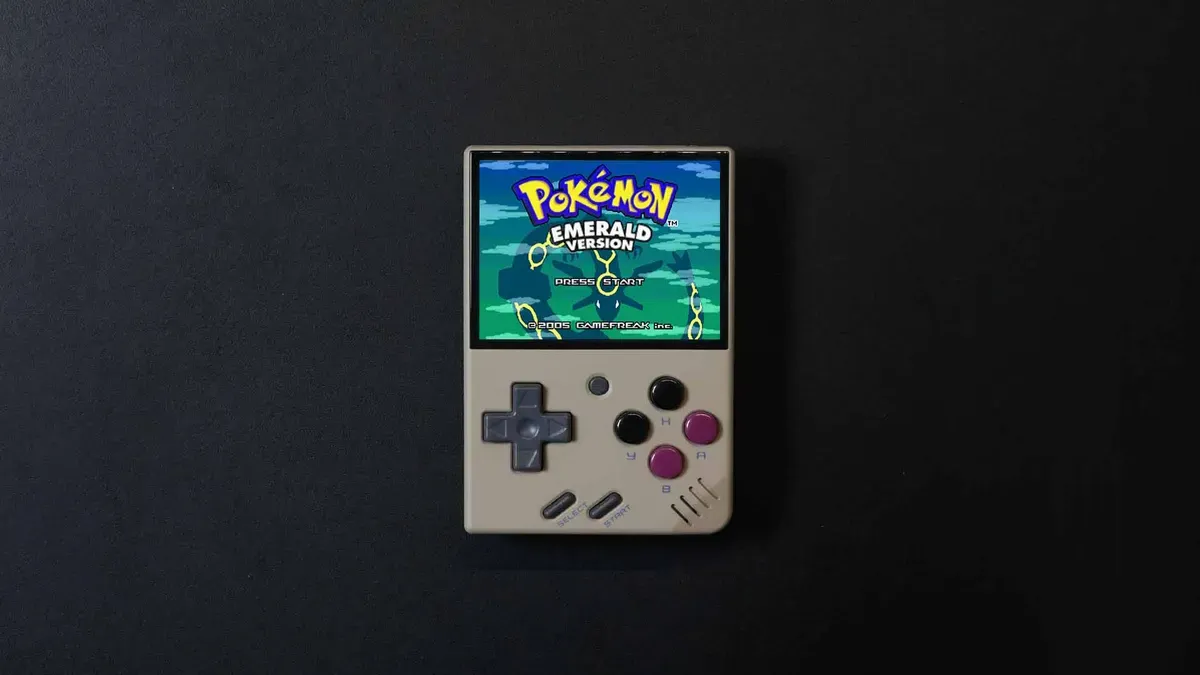
One of the most infamous mini handhelds over the last few years is the Miyoo Mini. Launched way back in 2021, it blew up in popularity, so much so that Miyoo struggled to find enough displays for it, and that's why it's had lots of minor iterations in the past, but it's still alive on AliExpress, in a Mini formfactor and a Mini Plus formfactor that is slightly bigger in every way, including the display.
But both are great sub-$100 devices that are incredibly pocket-friendly, though I'll admit the normal Mini is hard to come by these days because they launch in minimal batches, but if you can find one, it's a simple, tiny device that's perfect for throwing in your pocket to play light retro games.
And by light, I mean even PS1 struggles in here sometimes, so it's built again for the smaller consoles, which is a trend in the sub-$100 category because of the costs of powerful CPUs and bigger displays, but the Miyoo Mini started the mini craze all because of the simple Linux frontend, good little screen and charming formfactor. It comes in some transparent colours too, with colourful buttons and short, small triggers.
RG Rotate
- Release Date: May 2026
- Pricing: $79 - $99
- Where To Buy: ANBERNIC.com
- Read our full review
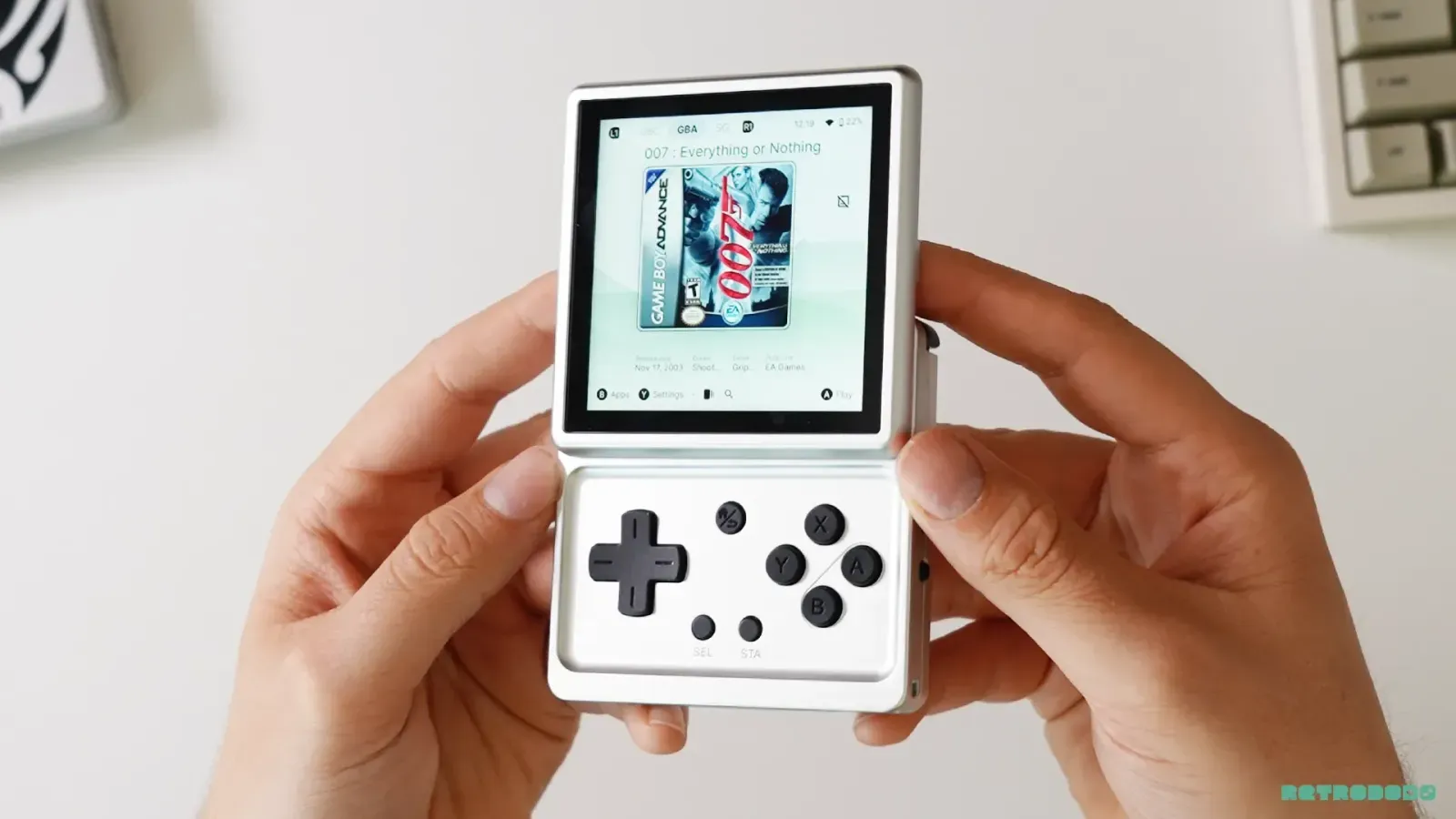
One of the most intriguing devices on this list is the ANBERNIC RG Rotate, a portable device with a square display that flips out like a mobile phone from the 2000s, revealing a hidden gamepad underneath that is used to play your retro games on Android. Closed, it looks like a watch or a small metal phone with a 3.5" display that shows a clock in sleep mode.
But the magic is in the slide; it feels as good as it looks, especially on the slightly more expensive metal variant. It was ANBERNIC's first jab at a spinning, rotating display, and it does the job well even though, after many months of using ours, the display stops slightly angled, so it's not super straight, which keen-eyed gamers will notice after a while.
This runs on Android and has more power than it needs because of the small display and lack of an analogue stick, so if you wanted to, you can actually push it to Nintendo 64, PS1 and some lighter GameCube games, which is nice, but for me those larger consoles aren't that enjoyable on a small 3.5" display, but it's there for those that are crazy enough to play on those without an analogue stick.
The OS of ANBERNIC's isn't great; their frontend is poorly developed, so I have paired mine with others to freshen up the experience, but all it needs is something simple and quick, with as little text as possible on this display. For me, this is a cool device for those who want something a little gimmicky and don't mind playing on a square display; it makes for an incredibly unique GBC-focused handheld emulator, that's for sure!

![All Pokémon SoulGold Cheats [Fully Tested] post image](https://storage.ghost.io/c/58/fd/58fdc82a-ad84-44e2-ad58-166d1b419bc4/content/images/size/w1600/format/webp/2026/10/soulgold-cheats.webp)

