


The news that Sony will stop producing physical games in 2028 sucks. Those who read Retro Dodo are the very gamers who vividly remember opening video games for Christmas with their siblings, or remember reading the back of the box on the car ride home from their local games shop after their parents treated them for bossing their school homework.
It's what fixated many of us on video games; it lured us in and enabled us to collect, trade, and sell our games in a way that made experiencing games not only affordable but more accessible. I still own many of the games my parents bought me as a child, box and all, and I still play them all the damn time. And now that I have two young children, I get to experience it with them, over 30 years on, on my own terms.
Physical games are freaking awesome, and it's in the consumer's best interest for them to continue being a reality. If not, the market will shift in a way that I think is highly unexpected, but undoubtedly great for retro gaming, and that's what I want to discuss today - my thoughts on how the death of physical games will actually reignite the rise in retro game collecting for the "modern gamer".
Do Better, Sony.
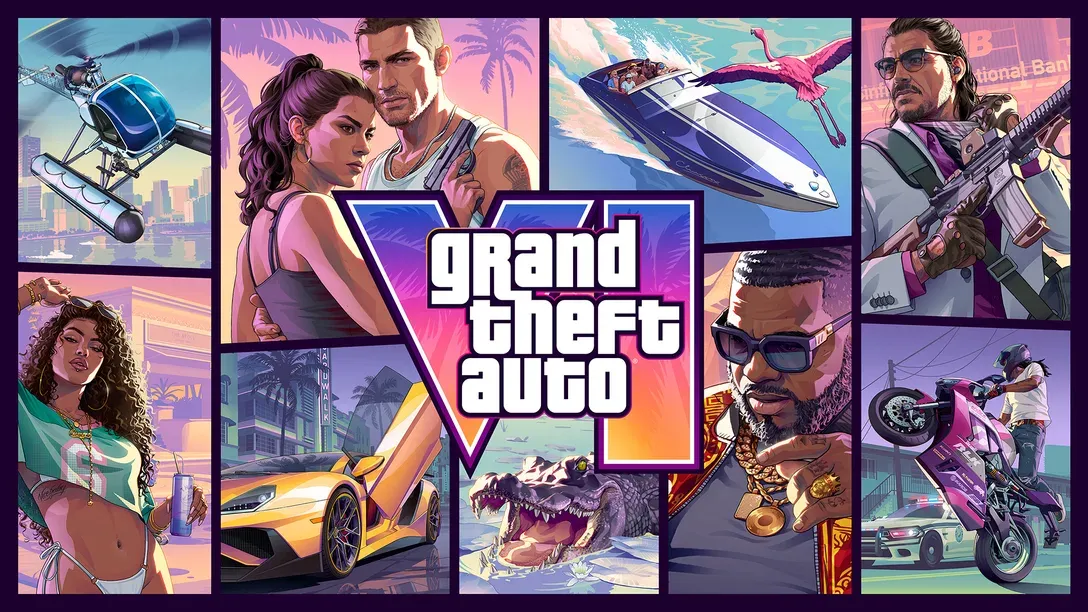
I believe GTA VI was the nail in the coffin, so perhaps Rockstar is a little to blame, but I totally understand that the majority of game purchases around the globe are digital nowadays. I am a 33-year-old man, born in the 90's; most of my generation and the folks I follow are up in arms about it. But when I talk to my younger nieces and nephews who play video games, they all buy digital because, "I can play it in minutes, and I don't have to go to the shop." They are naive to actually owning games; it's somewhat instant gratification. Yet they're oddly obsessed with collecting toys and trading cards because it's physical. That oddity I will not dive into.
So, I am very aware I am speaking as a likely minority here. The younger generation is buying digital at a rate that feels more like a dopamine hit. I am one of the few fossils still collecting physically. As I write this, my copy of Rayman 30th Anniversary for Nintendo Switch 2 literally just arrived through the door. It took almost 5 months to arrive, the process is cumbersome AF..., but I'll take that over renting a game any day.
Sony's choice to do this is simply to enhance profits. Producing physical games requires a lot of investment due to producing Blu-ray discs, designing, manufacturing cases, retailer margins, shipping and so on. Erasing that erases a lot of outgoing cash. But more importantly, it allows PlayStation to control demand for upcoming games and to push customers through their ecosystem, continuously buying games, then forgetting about them, and repeating. It's a process that happens over and over until eventually, they close servers and remove those games from your library. If you have a physical game, they cannot control what you do with that game or how/when you experience it.
What Does This Mean For Retro Gaming?
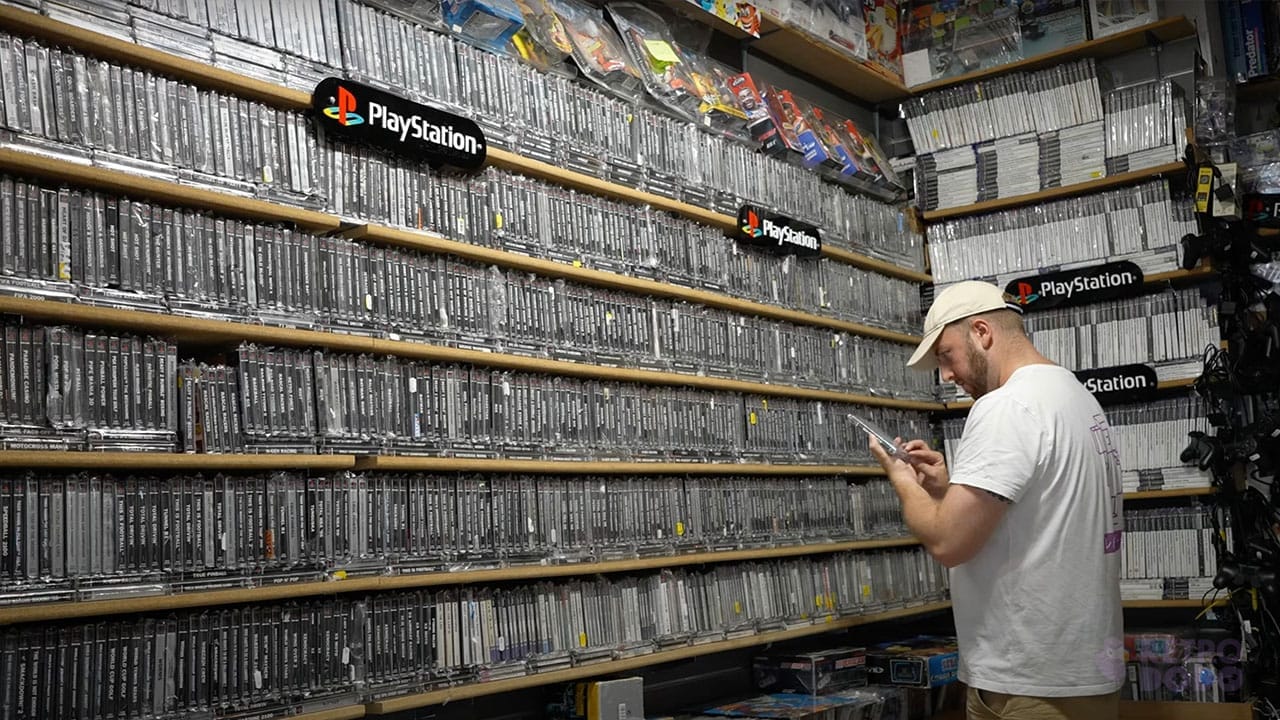
We've been shouting about this since founding Retro Dodo in 2019. "Retro gaming" is a beautiful moment in time within the gaming industry, especially the 90s and 2000s, when everything was physical. You'd have manuals, boxes, guidebooks, collectables, and actual, decent limited editions. You can trade, sell, modify, and give your game as you please. And because these games and consoles were made in the millions, that means millions are still around, up for grabs for those wanting to explore a more analogue, slower yet more organic approach to gaming.
And I do believe many modern gamers will now look at retro gaming as a way to explore IPs in a way that offers full ownership, that isn't riddled with updates or microtransactions, and offers that in a semi-affordable way.
Though it means more demand for retro gaming, which means increased prices. That aside, as of right now, I truly believe retro gaming is still affordable. I've visited many retro game shops around the world, and I even made a YouTube series about them. You can grab GAME BOYs for £50, and games for as little as £3 for it. The same goes for a PlayStation 1; you can get a bundle with controllers and games for around £100. Dreamcast, PlayStation 2, and Nintendo 64 are all reasonable for now if you stay away from the heavy-hitting games such as Pokémon, Zelda, and Sonic. But even then, they're less than a modern £70/$80 game code that has an end date.
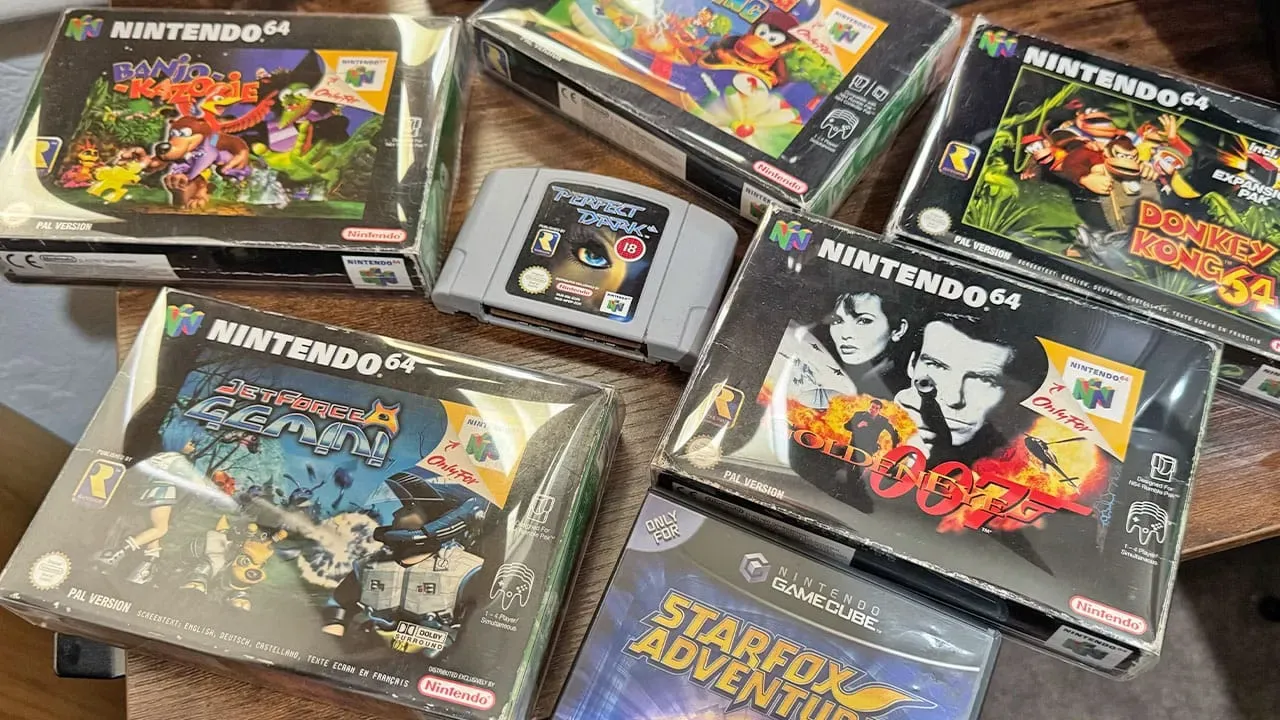
I believe we will start seeing younger gamers move into retro gaming, which will be a beautiful thing to experience, especially games that offer true couch co-op gaming. Not only because of the physical ownership, but because they're genuinely great games at an affordable price, offering box art, manuals, and shareability. And also, I know if I give my kid Crash Bandicoot 1 on PS1, he's not going to come knocking on my office door demanding "V-Bucks" or "mystery boxes", so if anything, not only is the game cheaper, it will save parents in the long run. Once they complete it, they can trade it with friends or trade it in a store to get something else.
Retro Gaming Can Still Be "Modern" Gaming.
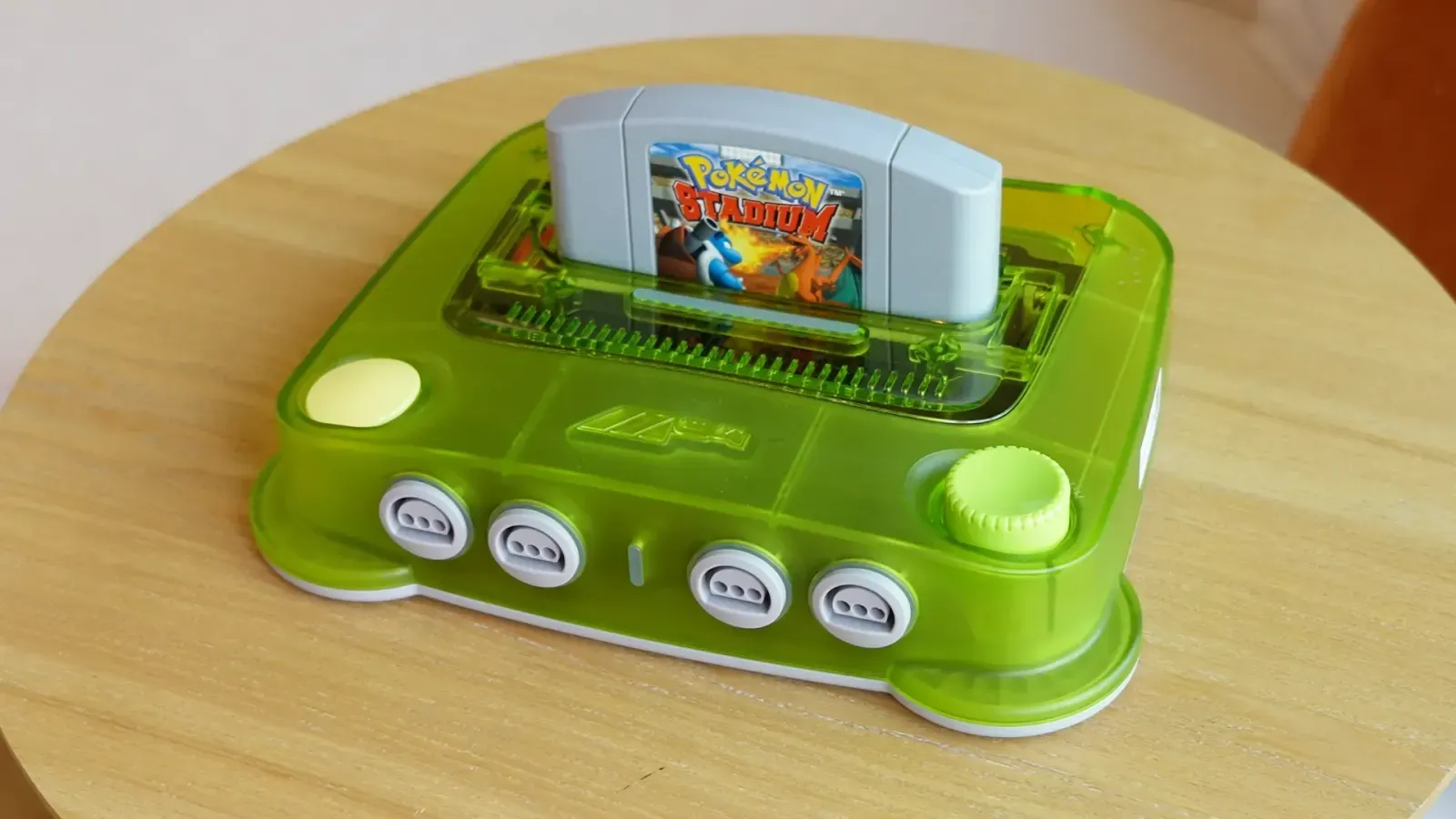
If buying retro tech isn't for modern games, there are still many "modern" ways to experience physical retro games. The boom in new companies creating high-end FPGA-based consoles is on the rise. Look at Analogue's Pocket handheld; it's a remarkable device that can play GAME BOY, GAME BOY Color, GAME BOY Advance, SEGA Game Gear, Neo Geo Pocket and even ATARI Lynx games all on one modern, beautiful console that uses real cartridges that can be purchased cheaply. I'll admit, the console itself is over $200, so this method isn't for those who want something affordable.
But that said, these modern "retro" consoles come with many benefits, such as working with modern TVs, being updated over WiFi, and more. The big one right now is the ModRetro M64; being able to play N64 cartridges at upscaled resolutions with HDMI compatibility and the choice of using wireless N64 controllers alongside it.
These kinds of companies are modernising retro game collecting in a way that scratches that modern itch, but also allows consumers to use their physical collection with the up-to-date features that make gaming easier.
There's also the likes of Evercade, who have created their own, new cartridges that work with their handhelds and consoles; in fact, they've been so successful that they've created over 80 unique cartridges featuring over 700 fully licensed games since founding and even gone as far as building tabletop arcade cabinets that also work with their cartridges. It's an entire ecosystem with easy compatibility and fully licensed IP.
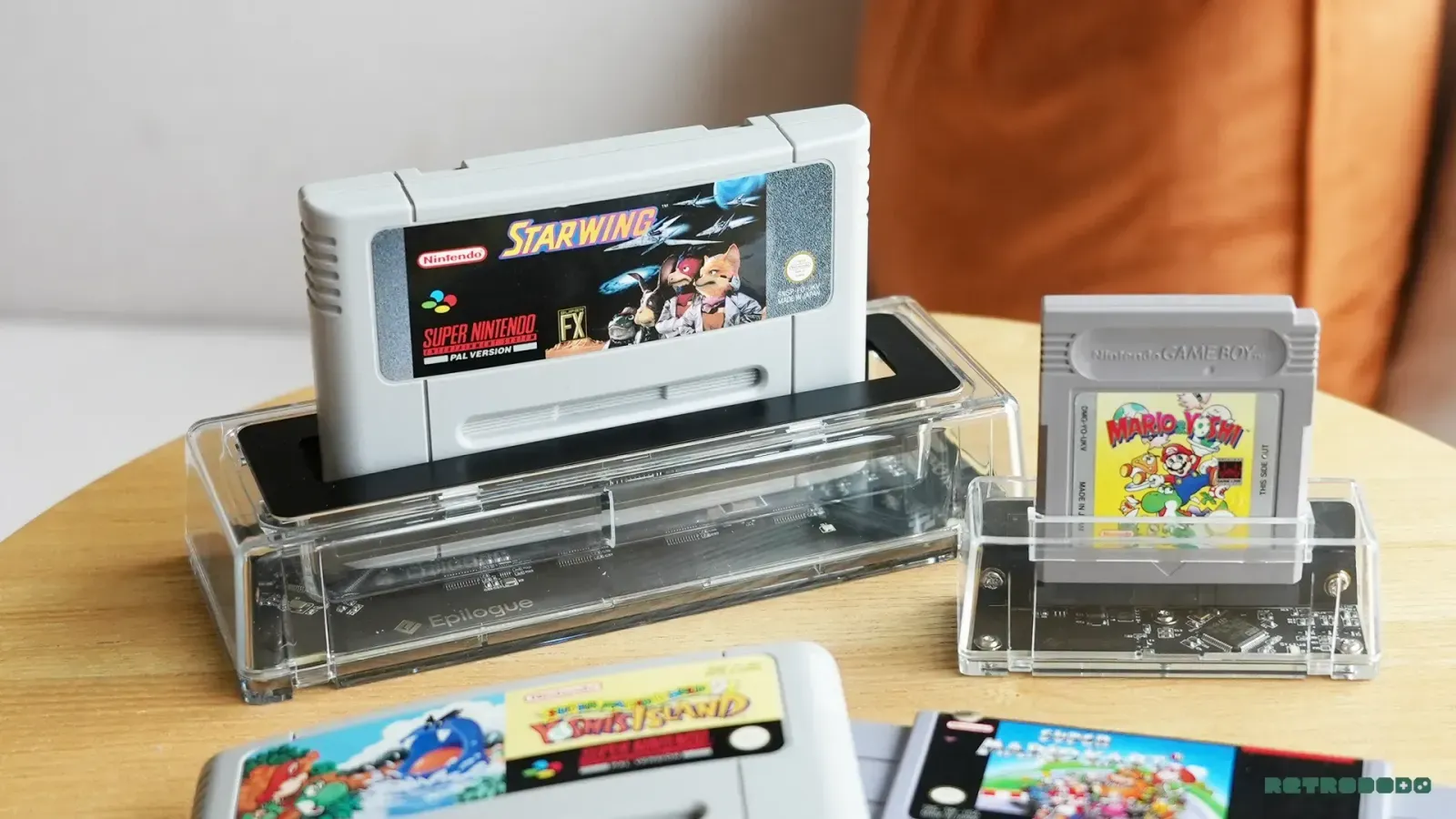
Physical gaming isn't dead; it's actually growing in areas that are less popular. Physical games are in huge demand and will be even more so after 2028 on consoles that don't require internet access, accounts, or proof of payment. For example, the developers of Cuphead recently announced a new game coming to the SEGA Master System with a physical release. There's demand for it, and more products and releases will come because of that. A company called Epilogue creates premium cartridge readers that allow gamers to play their cartridges on Mac and PC. There's an endless ammount of choice!
Indie Development
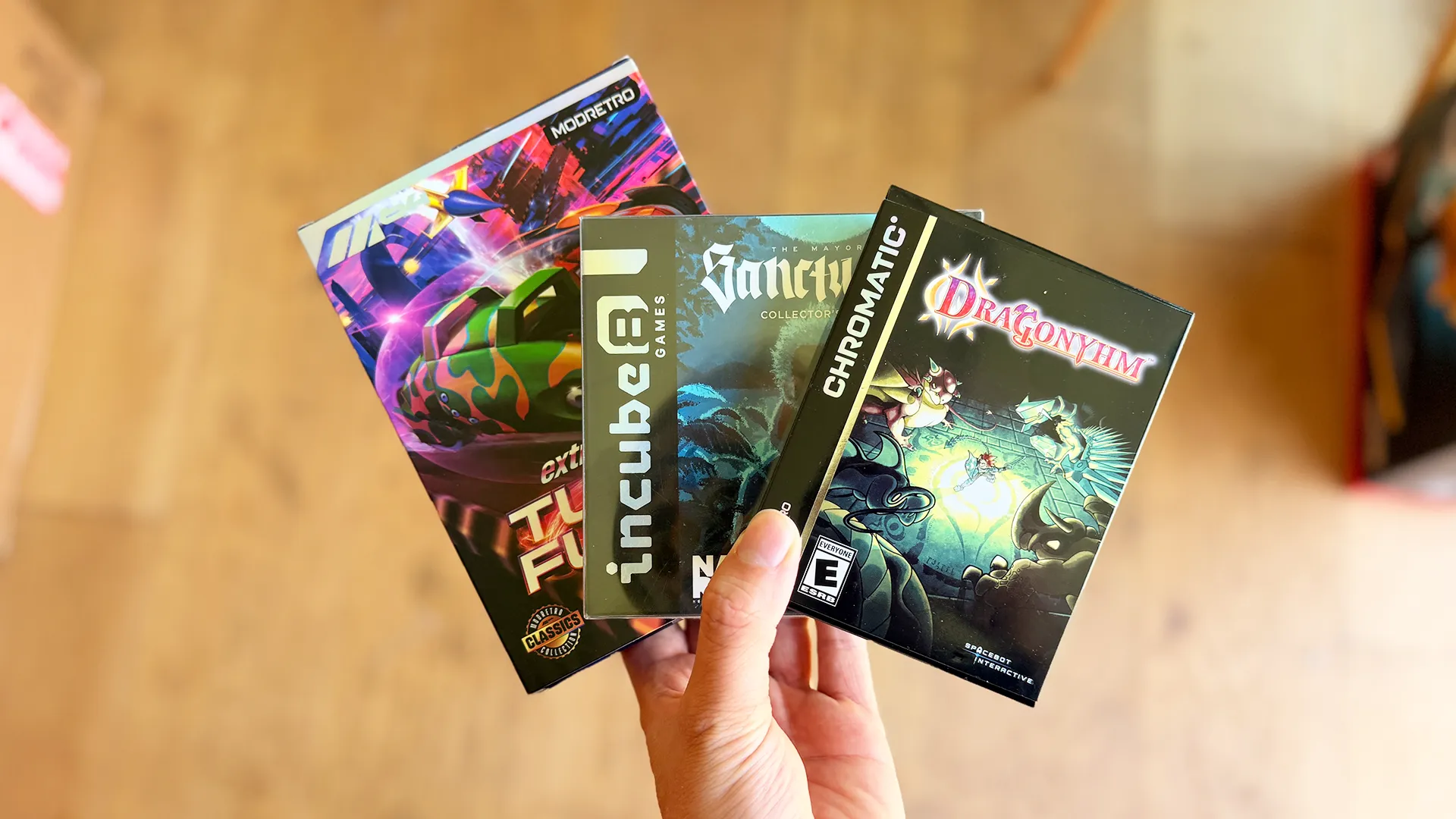
It's also not worth forgetting about all of the independent development going on in the retro gaming space. There are many remarkable "new" games that have been released over the last few years that give retro consoles a new life and a new way of exploring games in a physical form.
To name a few great companies making games, there's Incube8Games based in Canada, who release incredible titles, one being an upcoming GAME BOY game called Infinity. It originally began development in the 90s but has only just started coming to fruition because of the rise of retro handheld gaming.
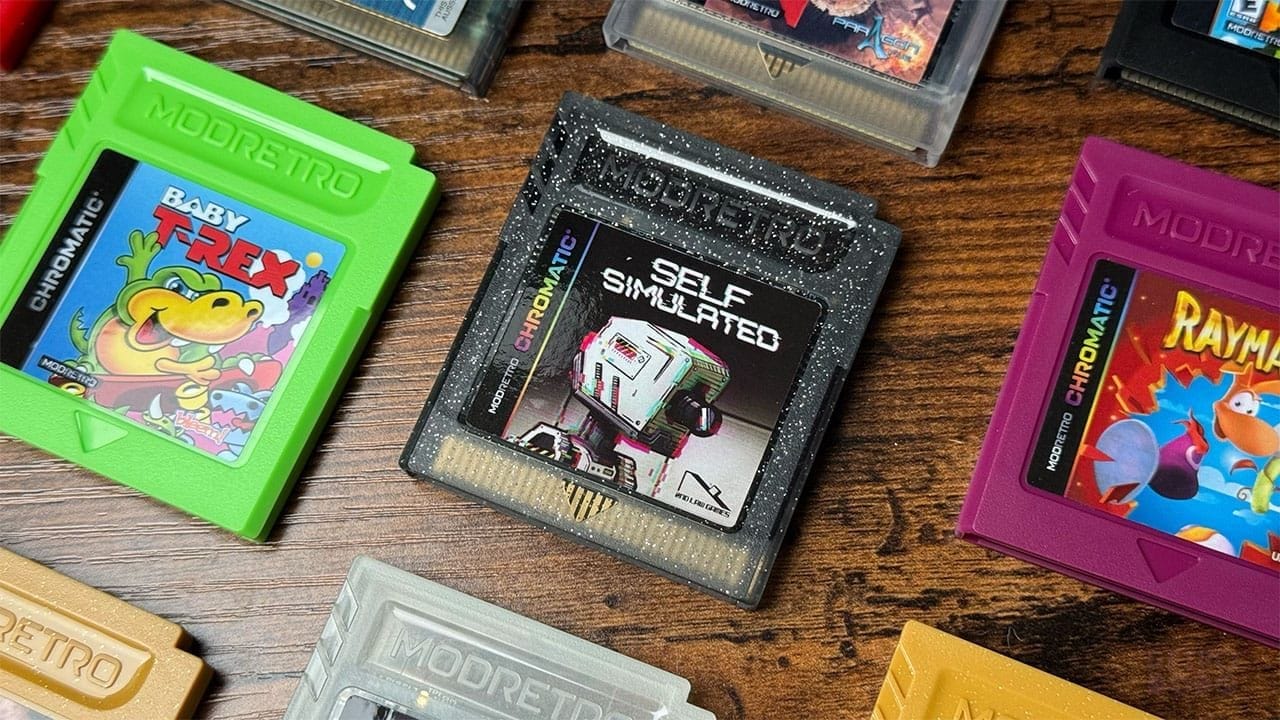
There's also ModRetro, who created the Chromatic and are soon to release the M64, who have given out over $1,000,000 in royalties after working with small developers to release new games for not only their consoles but retro consoles such as the GAME BOY Color and N64 too.
There's also Limited Run Games, though I am personally not a fan of them as a business, as it takes them almost two years to ship their products. Still, they are rereleasing some great physical retro games to the public.
Emulation Will Boom, Again
With the news of Sony stopping physical releases comes an onslaught of comments along the lines of "If buying isn't owning, piracy isn't stealing". Although I am not advocating for piracy, it's very clear that many gamers are happy to pirate or download ROMs of their games in order to play them the way they want.
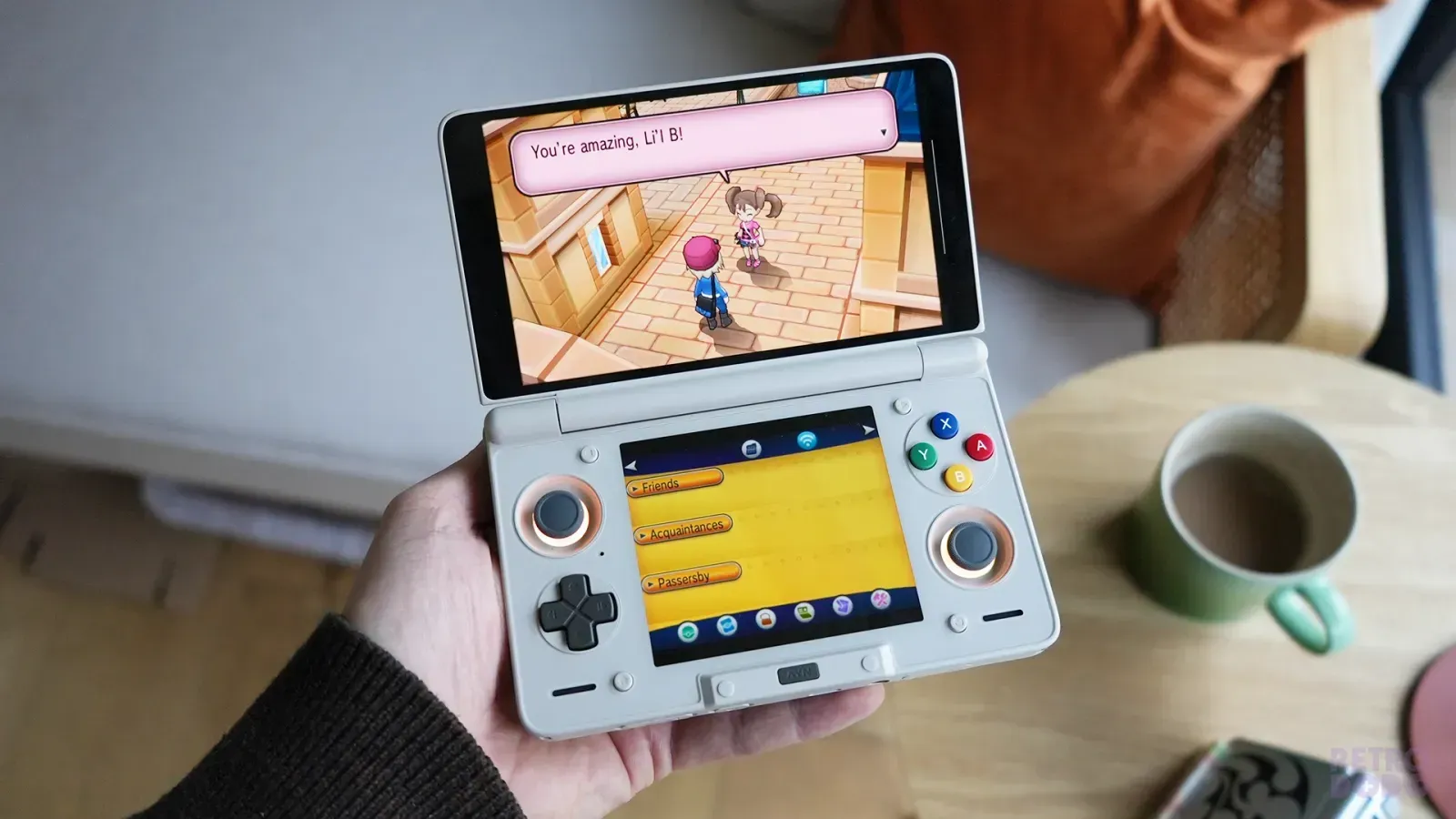
That usually comes in the form of emulation, something we have covered for many years here at Retro Dodo, and I can confidently say that emulation has never been so popular. And for good reason; it's allowing gamers to play their retro games in whatever way they please on the hardware of their choice.
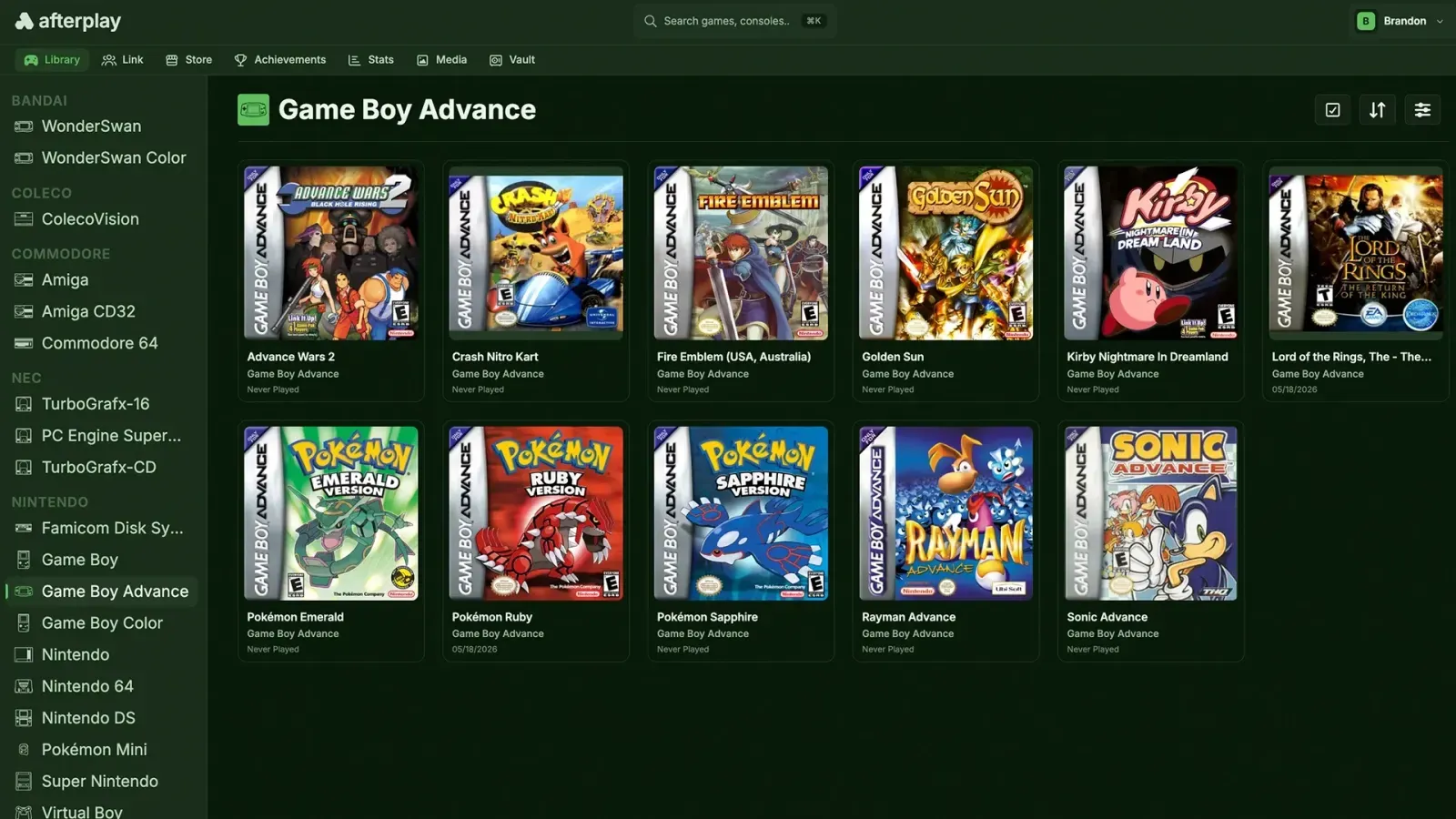
And as I've already mentioned, as more demand moves into the retro gaming category, it is likely that prices for retro physical games will increase, moving even more folks to emulation. It can be done affordably and easily, too, with the likes of Delta on iOS, many Android emulators, and the popular browser-based emulation front end known as Afterplay. Many of the "new" retro games coming to fruition will also sell their ROMs to you, allowing you to experience new games for a few bucks.
Though a lot of retro-emulation-based handhelds are growing in price since the memory shortages recently, a couple of hundred bucks now gets you an incredibly powerful Android-based emulation device that can play many of your consoles, including PlayStation 2. Why wouldn't you invest in that if it opens up a new and inexpensive way to explore video games?
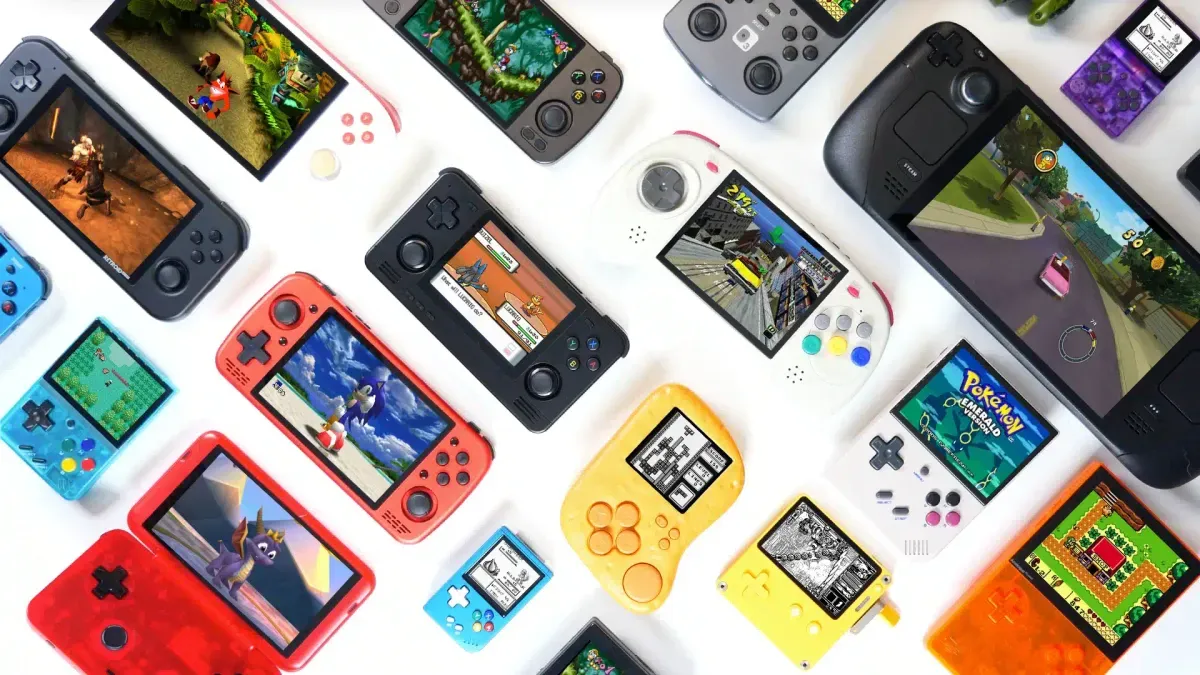
It's a grey area for sure if you don't own the ROM files and are obtaining them somewhere else, but it's clear there's a large growing group of gamers that are happy to take the risk. And with that will come a boom of emulator enthusiasts wanting something fresh with frontends and high levels of customisations to make their devices feel like their own.
ROM Hacking Provides Longevity, Too
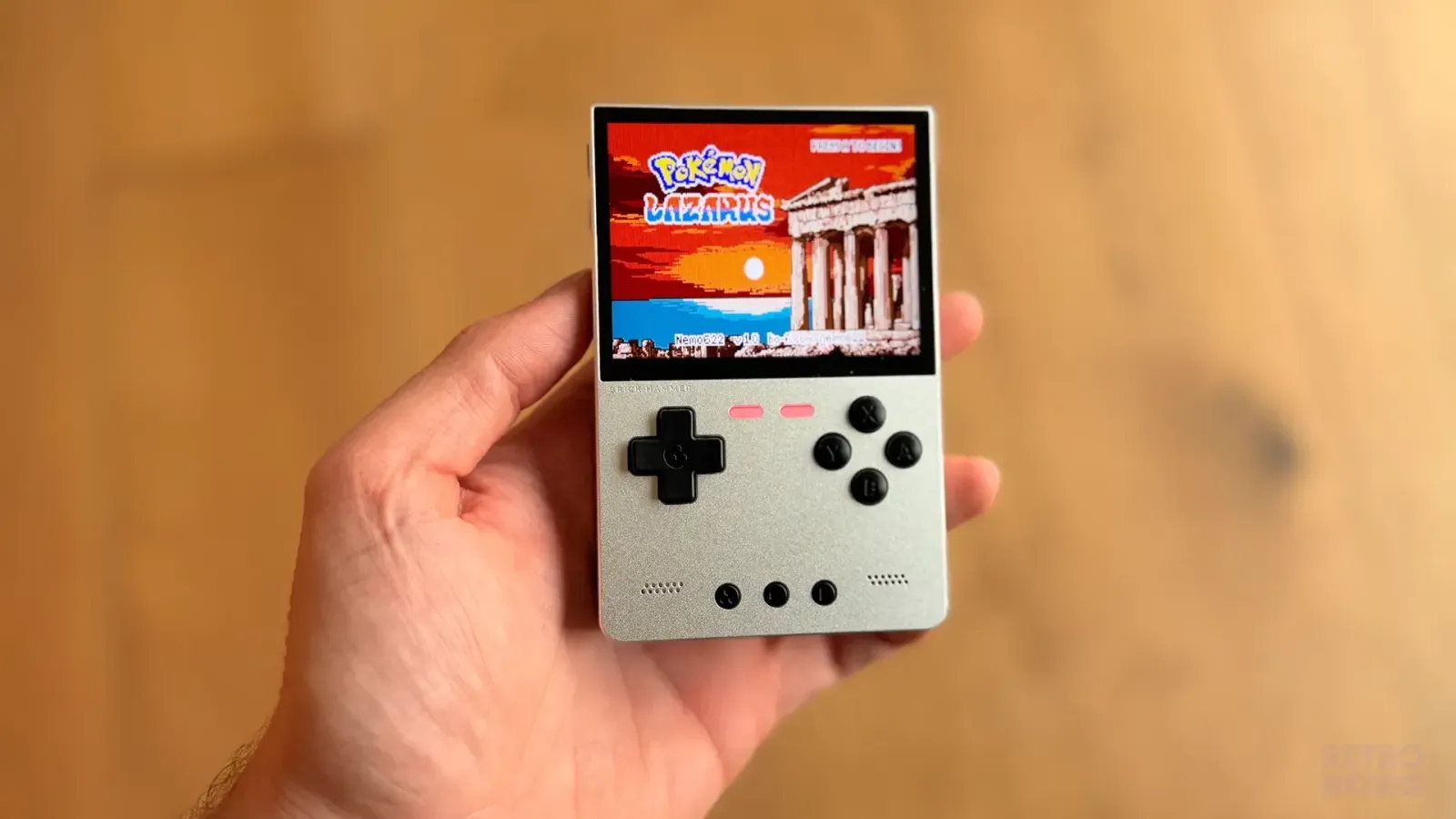
Even ROM hacking has exploded this year; it's a legal way of extracting the ROM file from your cartridge, and then patching it using free websites such as HackDex into a version of the game that is fan-made, altering the game, story and graphics entirely. They allow you to play games from your favourite series such as Pokémon, Zelda, and Mario in new and unique ways without having to spend any extra money.
It's stuff like this that will boom on top of the trends I mentioned above, quite simply because it prolongs the longevity of retro games and enhances the enjoyment through unique playthroughs, and it's all legal.
Final Thoughts
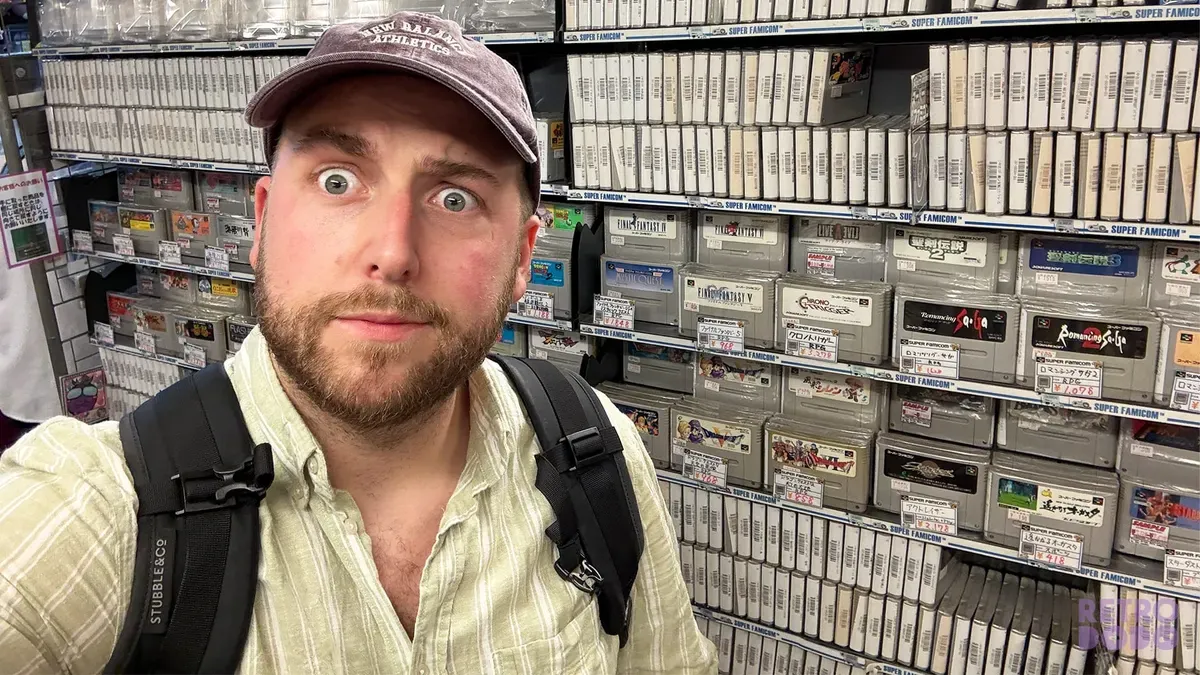
To me, this is not the death of physical video games. If you really care about preservation and want something new to explore, there are many unique forms of physical media that will undoubtedly tickle your fancy.
This news has ignited an insight into phyiscal media demand, and now that modern gamers have been stung, many of us will now move to a more analogue gaming experience that offers full ownership, accessability and affordability, which I believe is in the form of retro games, for now.
I'm excited to see what happens in the retro gaming space over the coming years; I already see adults with young children exploring old games, acquiring CRTs and trading their copies with friends. It's happening on a large scale, but this news will only increase that movement, and I'm all for it.
Where there's money, there's innovation, and if the market moves towards physical and retro collection, many developers and companies will follow with new, unique products for us to enjoy and own. It's already happening; ATARI is making a comeback, Evercade has a new handheld coming out, ModRetro's M64 is a few weeks away, and emulator front ends are coming from every angle.
Retro is back, and Sony is going to miss out.


