


The Retroid Pocket Nova is finally here, and after having it for just over a week, I can confidently say this is likely going to be one of the best retro handhelds of 2026, primarily thanks to the sheer power, but also because that power pairs with a gorgeous display, comfortable ergonomics and just enough portability to fit it in your pocket.
It's likely you already have a retro handheld, you may even have one with a 4:3 display, but this is the endgame handheld for those that want pocketable PS2 performance at upscaled resolutions in a form factor that is genuinly portable, if, and only if, you are willing to spend over $229 for it.
Today, I am specifically reviewing the 12GB RAM + 128GB version, which costs $274. This unit was sent out by Retroid for review purposes, but in no way has control or input into what we say about this device. All opinions are our own. I also only review Retroid's frontend, third-party frontends will and do not affect our score.
- Release Date: 28th July 2026
- Where To Buy: GoRetroid.com
- Price: $229 - $274
- Competitors: ANBERNIC RG477M & AYANEO Pocket Air Mini
Retroid Pocket Nova Specifications
- 4.5" AMOLED 4:3 touchscreen display (1280 x 960) @ 120hz
- Qualcomm QCS8550 Snapdragon 8 Gen 2-class CPU
- Qualcomm Adreno 740 (680 MHz) GPU
- 8GB - 12GB RAM
- 128GB Internal Storage
- 5,000MAH Battery
- Android 13
- USB-C Charging (up to 27W fast charging)
- Hall-effect joysticks
- Analog Triggers
- WiFi & Bluetooth
- USB-C video out
The Design
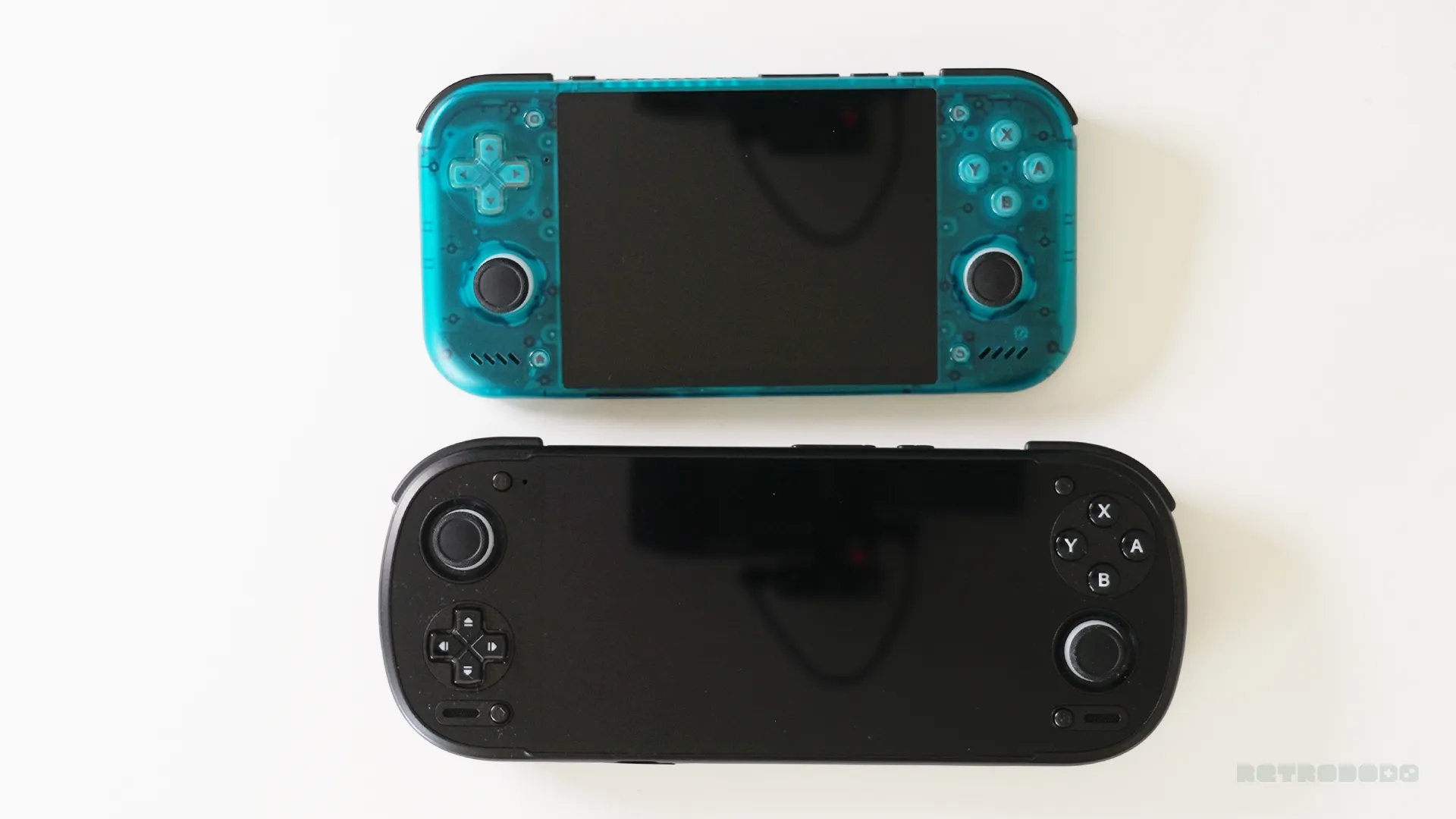
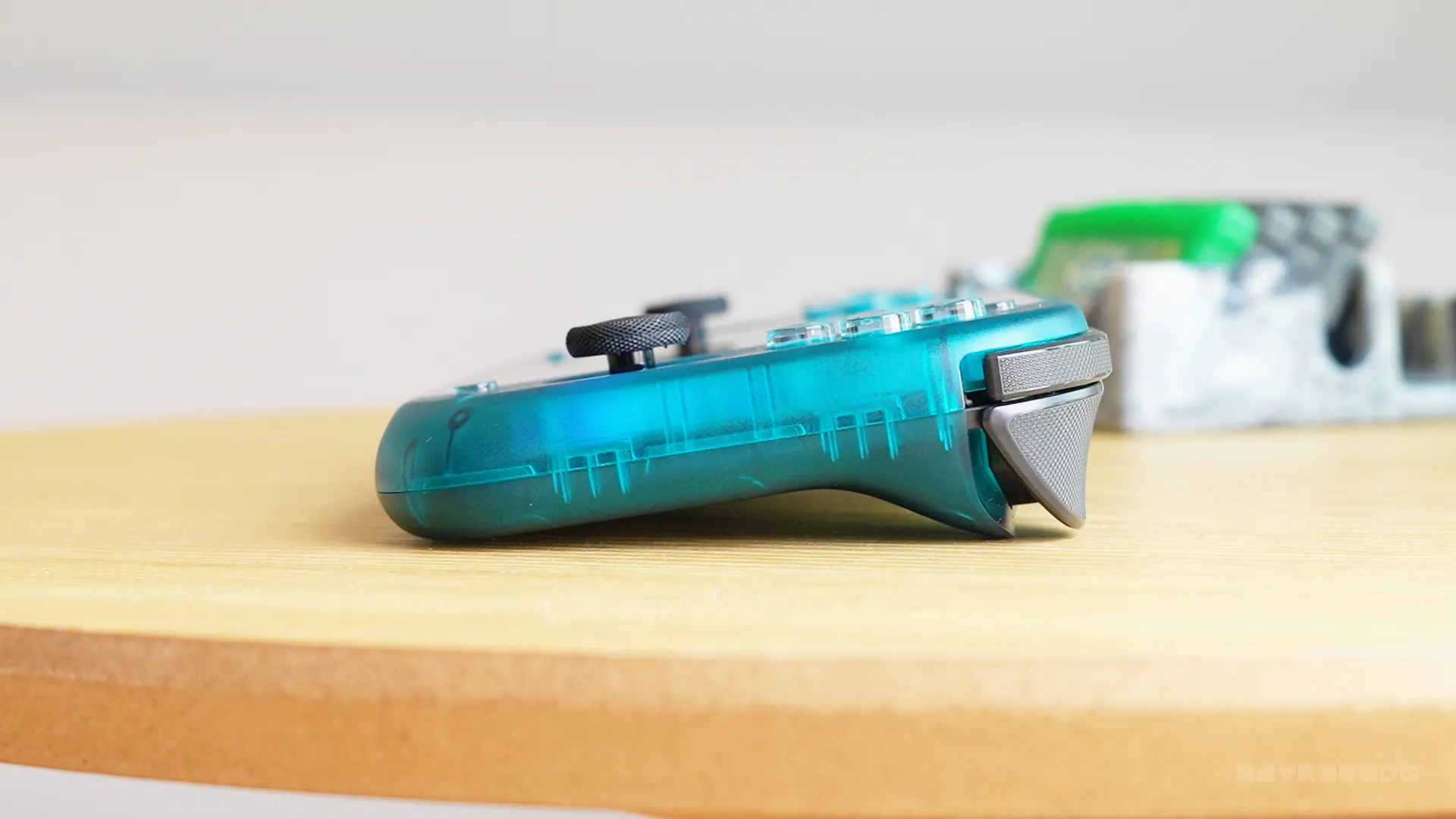
The Pocket Nova features a very rectangular, flat body, with curved edges and corners alongside flared, stacked shoulder buttons that protrude out of the shell quite prominently. This tilts the entire handheld forward slightly when placed on a desk. I believe this is the first time Retroid has offered customers the choice to purchase an additional backplate for their handhelds that adds extra ergonomics on the back in the form of a "bumped back shell" for those wanting extra grip and thickness on the back for only $5, which is a neat feature and one I wish other handheld manufactures copy.
I don't have one in for review right now, but I have ordered one separately, so be sure to follow our social channels if you want to see that in action.
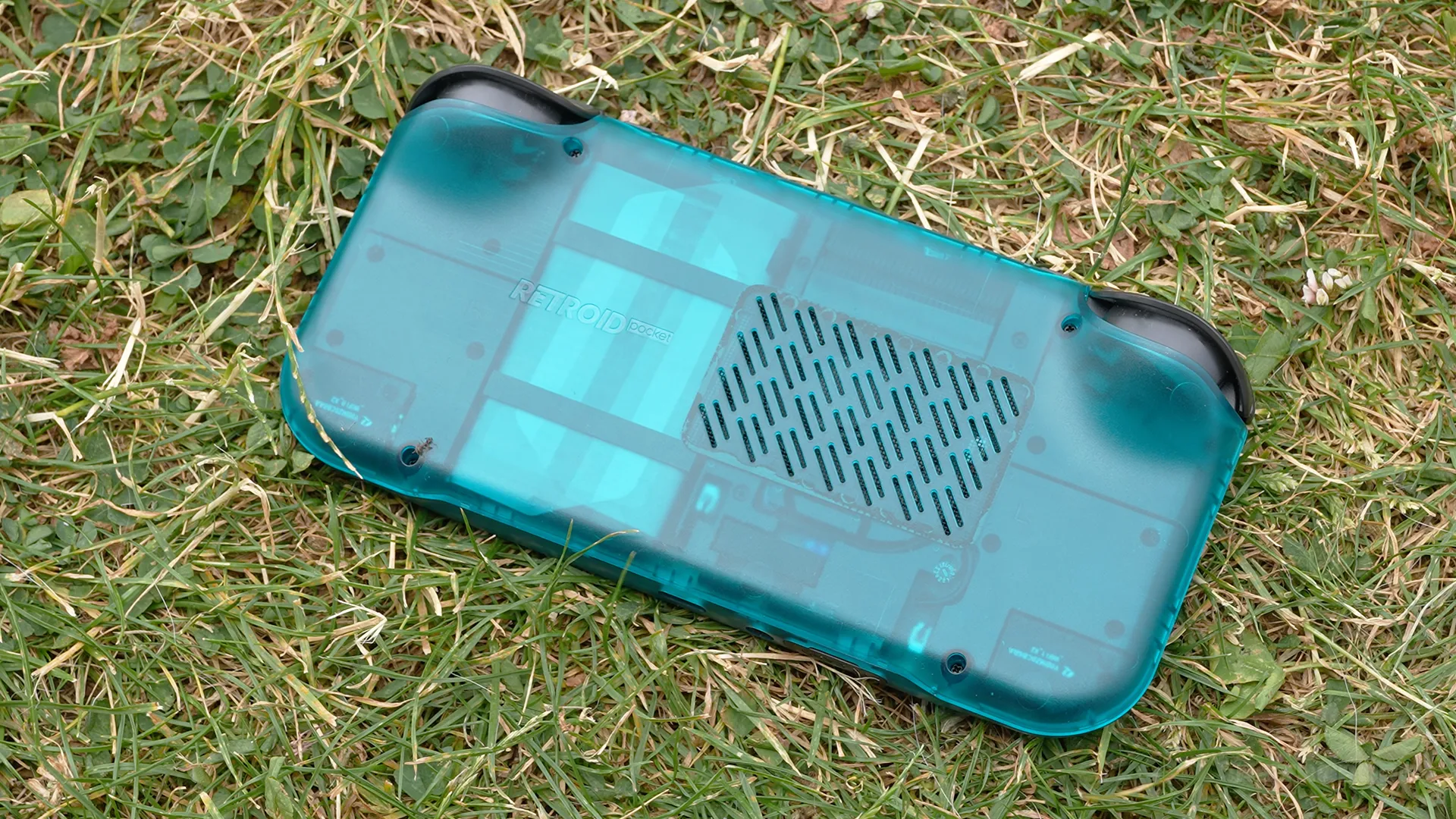
So most customers will get this flat backshell that minimises the thickness of the entire device, which I think I'll prefer, but I respect that there's an entire new shell to purchase rather than those cheap, plastic TPU cases that end up in landfill. It's not a thin device, nor is it too thick, coming in at just 1.5cm and weighing 255g, which in the hand feels like a large smartphone in both size and weight.
I have a transparent blue version, known as Ice Blue, and it's a look at how the premium colourways are designed. I say premium because these transparent shells are $5 extra. I'll be honest, I think I would have preferred the non-transparent versions only because this is frosted, meaning you can't really see into the interior, and the shell itself is very complexed making the dark areas of the mould far too prominent. The only real visibility is on the back, and even then, I'm just staring at the battery sticker. It's a little too chaotic for my liking, but I had no choice in which unit was sent to me and in no way does this affect this review, its purely a cosmetic preference. You'll also notice that the LED joysticks shine through the transparent shell too, meaning you won't get the typical round LED light; instead, it looks almost star-shaped.
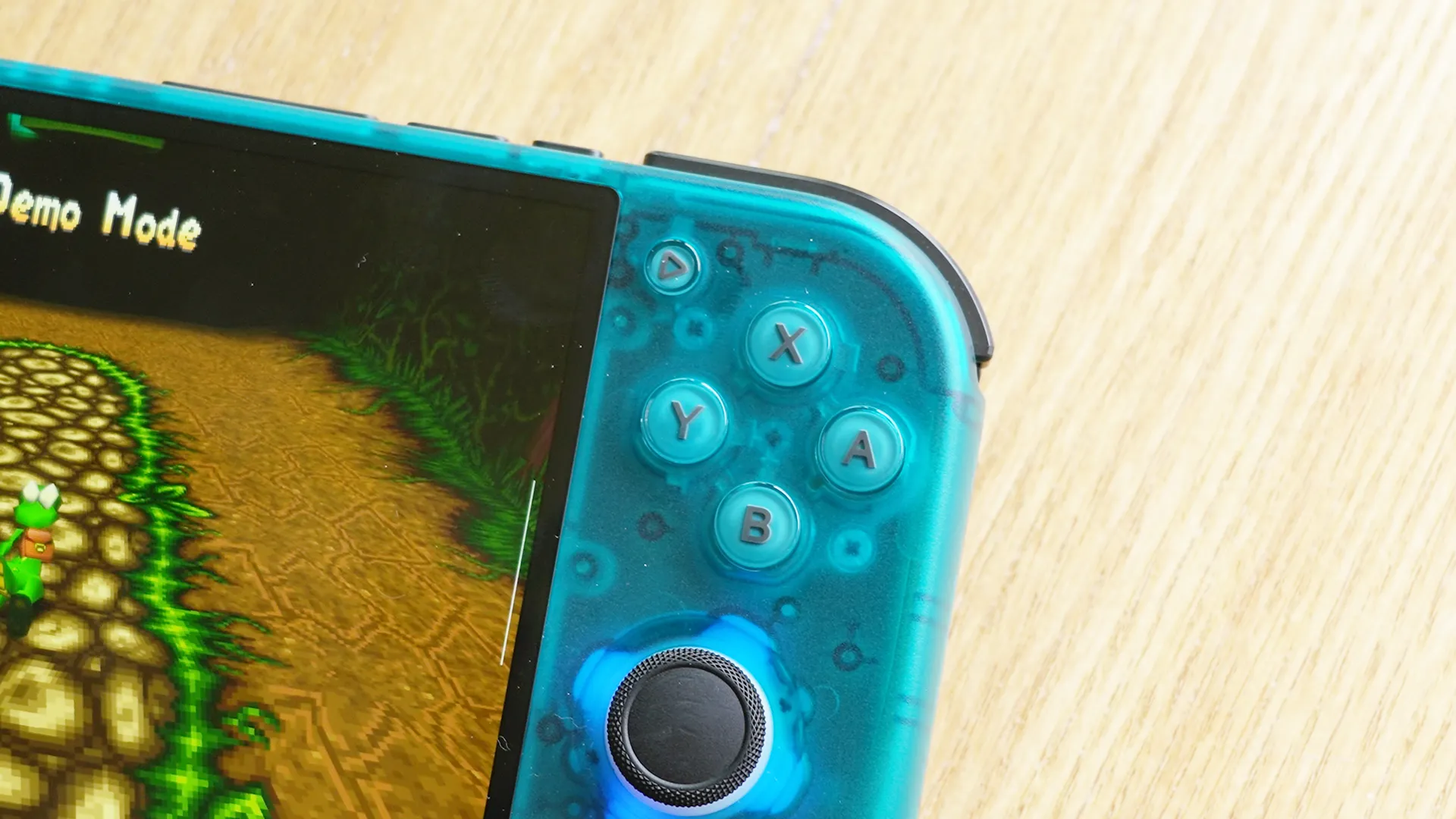
The buttons are also somewhat transparent, featuring this new 3D look, which is the first time I've seen buttons like this. At first, I didn't really like them, but they're growing on me. The action button letters are three-dimensional in the sense that they are inside the button and protrude internally, paired with a see-through casing that allows light to somewhat morph the look of the buttons throughout the day. The DPAD and menu buttons around the device are a little similar, but the arrow buttons are painted or etched on the interior.
In terms of feel, the DPAD is quite sensitive, doesn't have much travel to it and feels very much like that of a PS Vita, quite the opposite in comparison to something like ANBERNIC's, which requires a heavier press and is much bigger and thicker in general. This here is light, effortless, more modern and also has great directional force, but I know some retro gamers aren't a fan of it. I, however, don't mind it at all; it fits this device perfectly.
The action buttons have a bit more travel to them, will dip into the case upon pressing and have a nice subtle clicky feedback to them. They're on the small size, and so is the DPAD, but nonetheless a pleasure to use. I've had no issues with these buttons so far. You'll also find 4 smaller buttons around the display that can be used for mapping, such as start, select, Android Home, and back.
Next to all of that are the hall joysticks, which have LED lights and removable caps on them. These fellas sit pretty high out of the device, so for those using, placing this in a pocket or a bag, you'll find snagging is more common than you'd hope. It's not too much of an issue because the grips are somehow installed incredibly tightly, and you need to really use some force to pull them off, so yes, they sit high out of the shell, but actually i never lost a grip as of yet. But the tightness could wear off after months of use, and then you could have a problem of losing your grip; it's just something I wanted to note because these things are high flyers, that's for sure. That said, they do the job well, there's no drifting, R3/L3 work well, there's good travel to them, and they are incredibly comfortable to use. There's no choice in where these are located, though. You may remember the Retroid Pocket 6 offered customers a choice, even placing the sticks up top or below the DPAD. They've removed that choice in the Pocket Nova, likely to lower the ammount of MKUs and variants of the device for management/financial purposes.
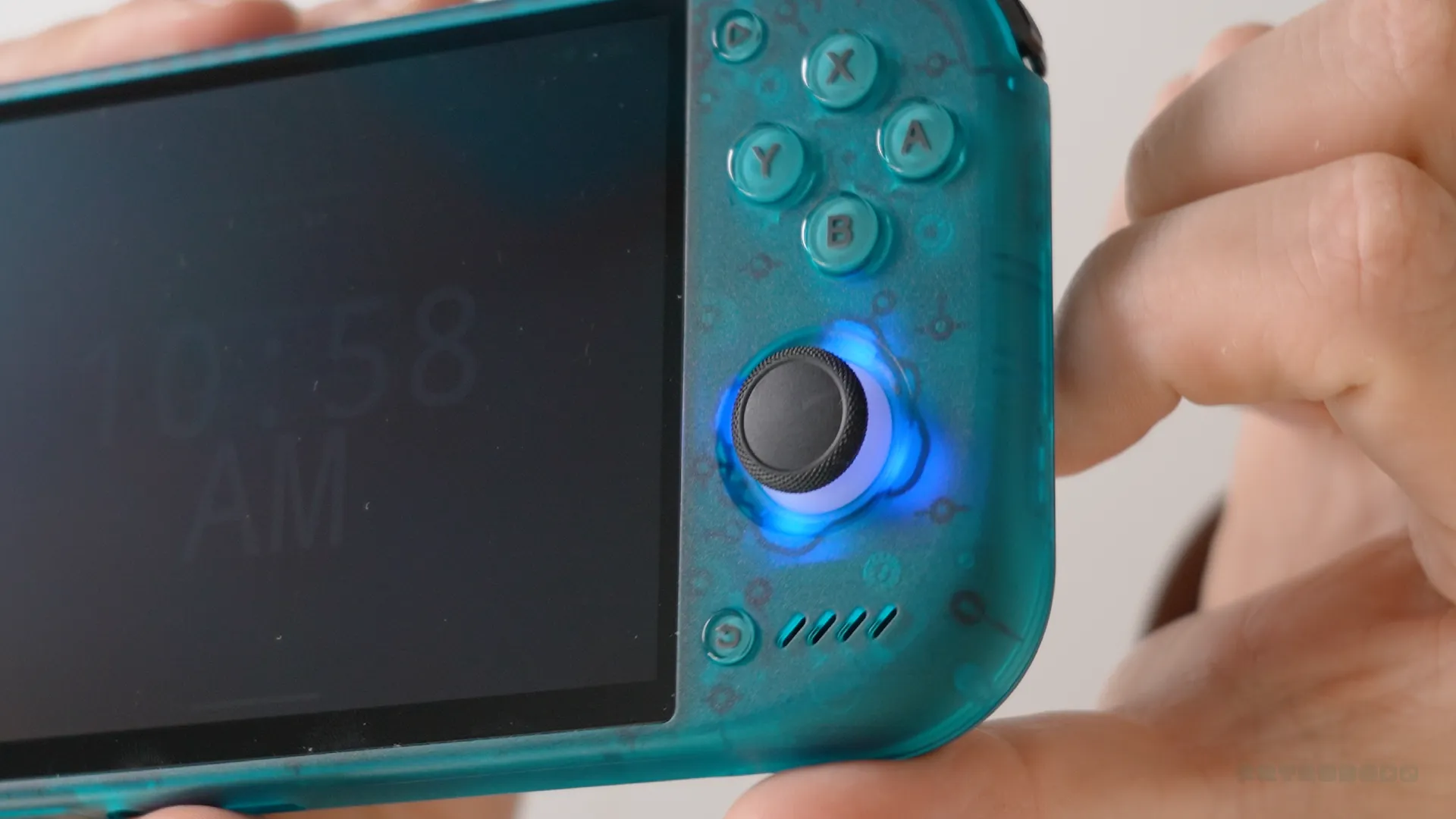
You'll also find dual front-facing speakers. Around the edges of the device, you have an SD card slot, a 3.5mm headphone jack and a slightly off-centre USB-C port on the bottom. Then on top, 6 shoulder buttons, two of them being M1 and M2, a big ventilation grill which you'll notice putting into the work when emulating higher-end games, volume buttons, and an on/off button.
All in all, the device design and layout aren't going to excite anyone in my opinion; it looks like many of the other devices on the market, with no real "unique" physical feature apart from the newly added backplate that can be purchased separately. But I'm more than happy to sacrifice that design for a great gaming experience, and that's exactly what it does. Would I have liked a little bit of metal? Yes. Perhaps a fingerprint reader, or inset joysticks? Yes. But it's still great, and that's just me being picky.
The Display & Battery Life
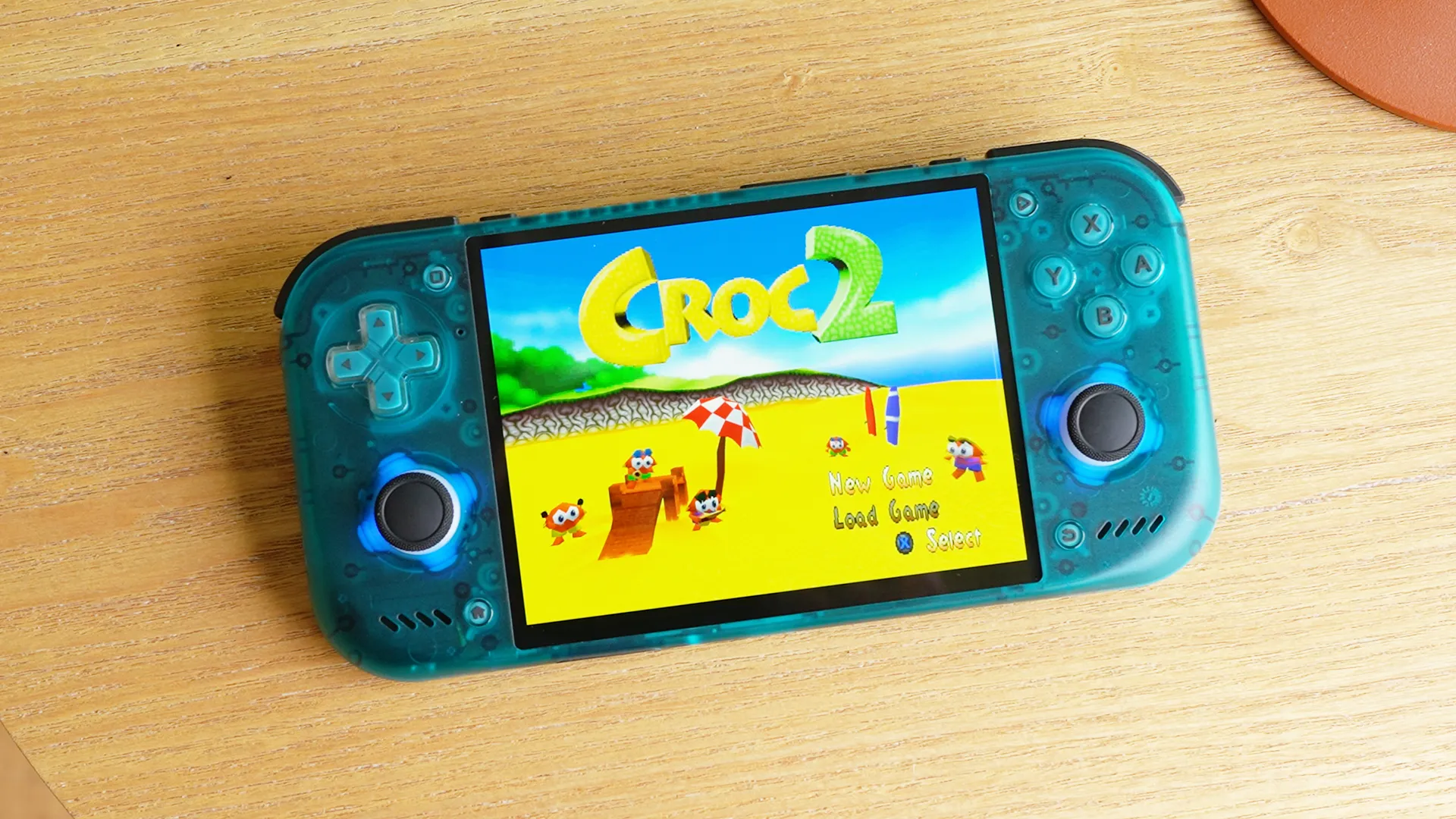
The new feature is my favourite of the entire device. It's beyond gorgeous and is the perfect size for Dreamcast, Nintendo 64, PS1, GameCube and PlayStation 2 emulation for those wanting portability. Any bigger and this thing wouldn't fit in your pocket, and any smaller would mean some games would feel a little claustrophobic to play on.
It's an AMOLED display, meaning it's of incredible quality, showcasing a great range of colours, nice sharpness, deep contrasts, dark blacks and just an overall pleasant viewing experience. When you experience this 4:3 AMOLED display for yourself for the first time, you'll be shocked at how beautiful it is. 4:3 games have never looked this good on a portable retro handheld, and Retroid knows it. It can even run games at 120hz for those wanting to smooth out their gameplay or dabble in some high-end Android games, too, which
The display itself comes with a very small black bezel, keeping the modern, fresh look. If you look closely, though, at the bottom part, the bezel is slightly thicker than the rest. It's just me being me, and you've seen me mention it in my recent TRIMUI Brick Pro review, but it does annoy me; it just off-centres the display slightly, and when you see it, you can't unsee it. It doesn't affect gameplay at all, but just picks at me annoyingly every time I spot it.
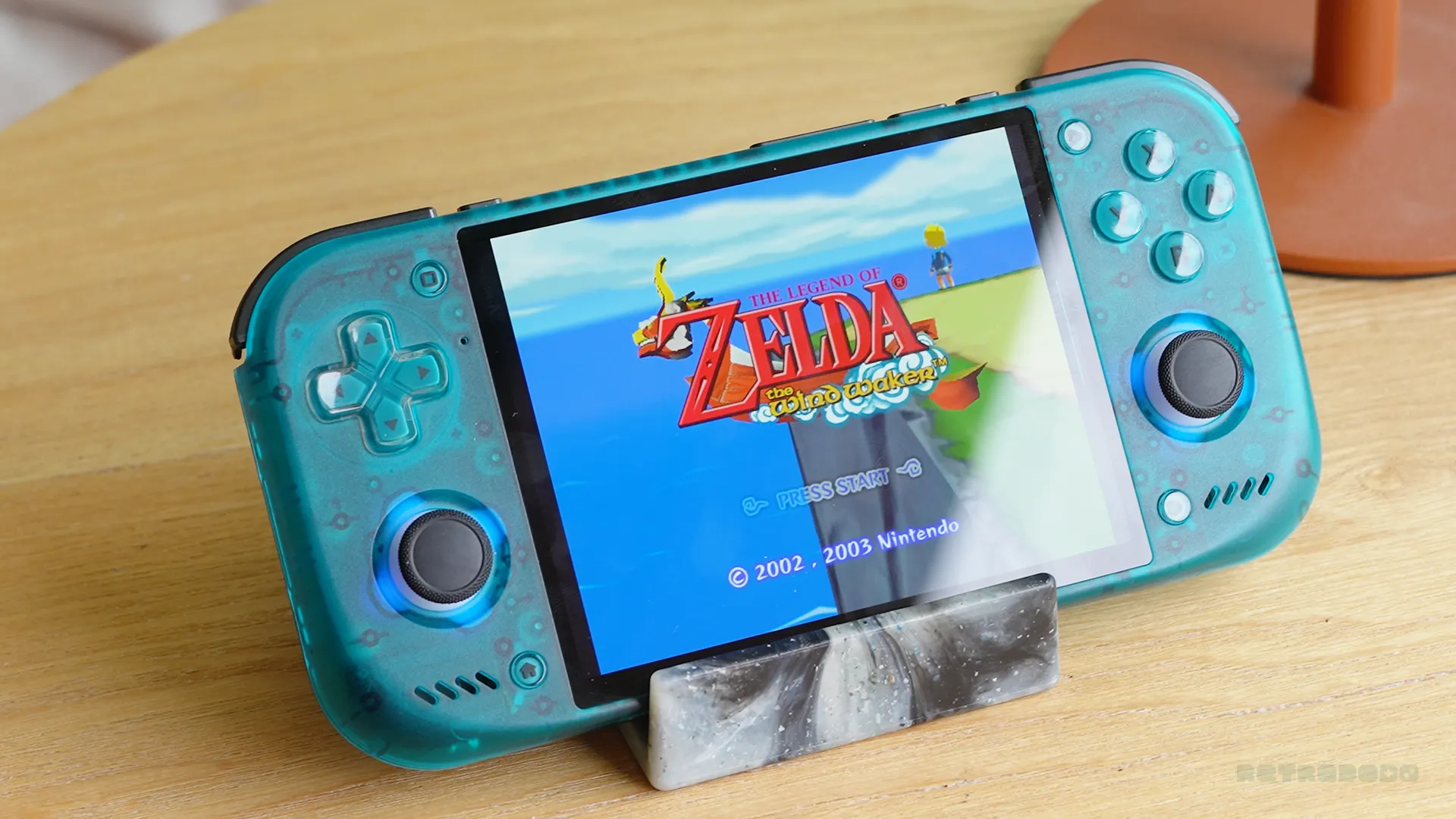
One thing I did notice about this device is that the brightness levels are really good, too, coming in at 500 nits, which is more than enough to play on it outside in broad daylight comfortably and even dims really dark too, so you don't annoy your partner when using it in bed. There's no light bleed, no dead pixels, nothing; it's an all-around great screen. Admittedly, it does need a good power source, and you'll notice your battery depletes quickly on higher-end emulation because of its 5,000MAH battery, but that's normal in the space. I was getting anywhere from 3 - 10 hours of battery on this thing, but because of my use case being primarily PS2 and Dreamcast, it was closer to the 3 - 5 hour mark most of the time, so it's that device that wants you to emulate higher-end consoles, but it comes at a price of managing your battery on a weekend away, for example. It does have 27w fast-charging, so you can power it back up quickly if you need to.
OS & User Experience
The Retroid Pocket Nova runs on Android 13, and I know what you're thinking, "That's old". And it is, that's now a 4-year-old OS, but it's used because of its stability and the fact that the drivers inside pair well with it; newer Android operating systems aren't as polished for compatibility yet. I've only come across one Android game I wanted to download, not being compatible, so it's not a major problem as of yet, but I would like to see more modern Android versions in their next line of devices.
Android makes it a very simple handheld to operate and comes with the advantages of downloading your own apps, deep customisations and pairing the device with high-end Android games, though for me, I didn't play any Android games on here, because I have the Retroid Pocket 6, which has the larger 16:9 1080p display. The Pocket Nova, for me, pairs only with my retro gaming library. I have other devices for Android gaming. And that's where I think many should look at the Pocket 6, if they want a handheld emulator that can also play high-end Android games more comfortably.
A swipe down from the top offers access to an array of handheld settings, such as performance modes, button layout, display tweaks, fan speeds and more, all accessible in-game on the fly, which is nice and is a normal feature on many Android handhelds without a specific "performance" button.
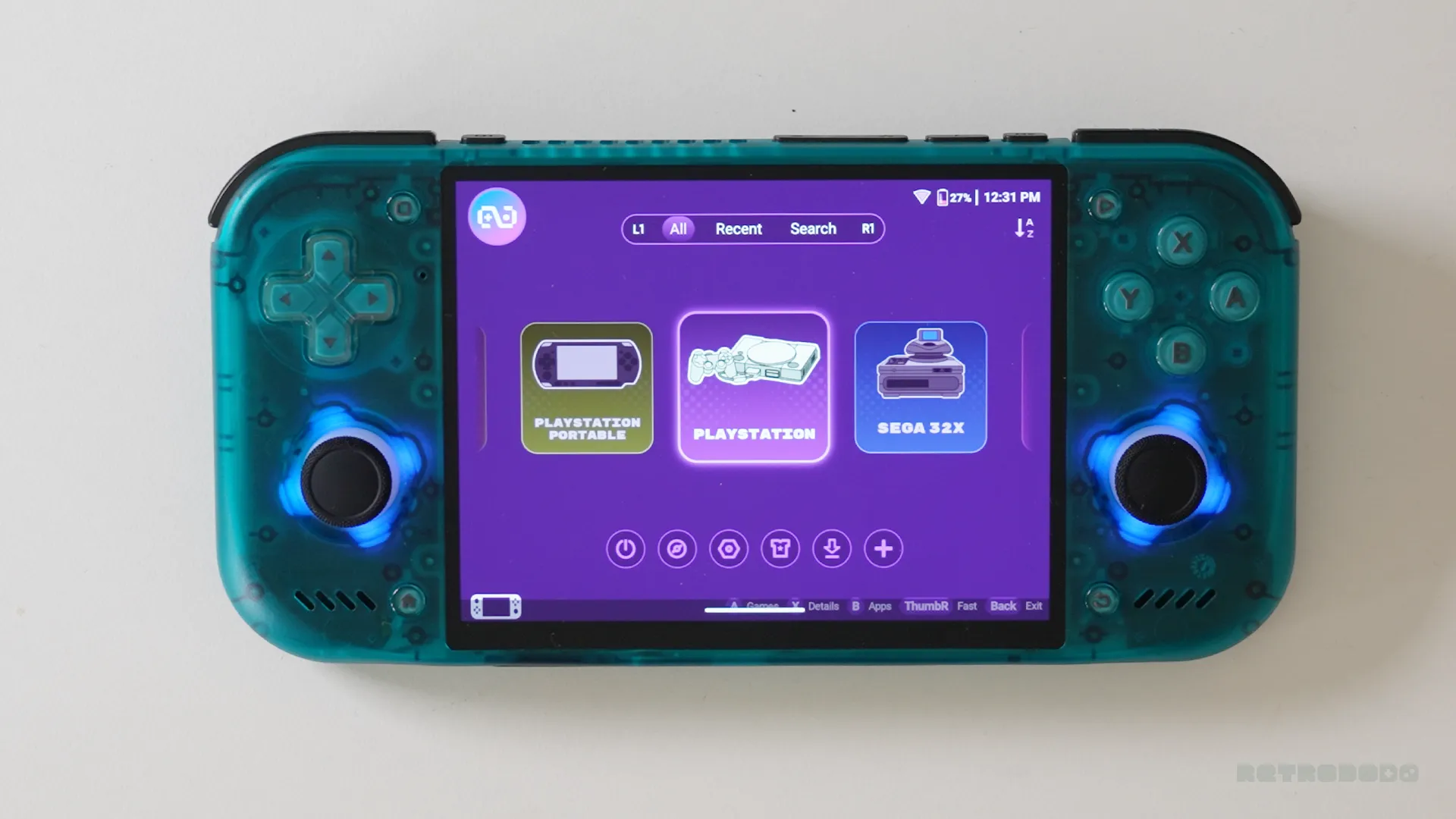
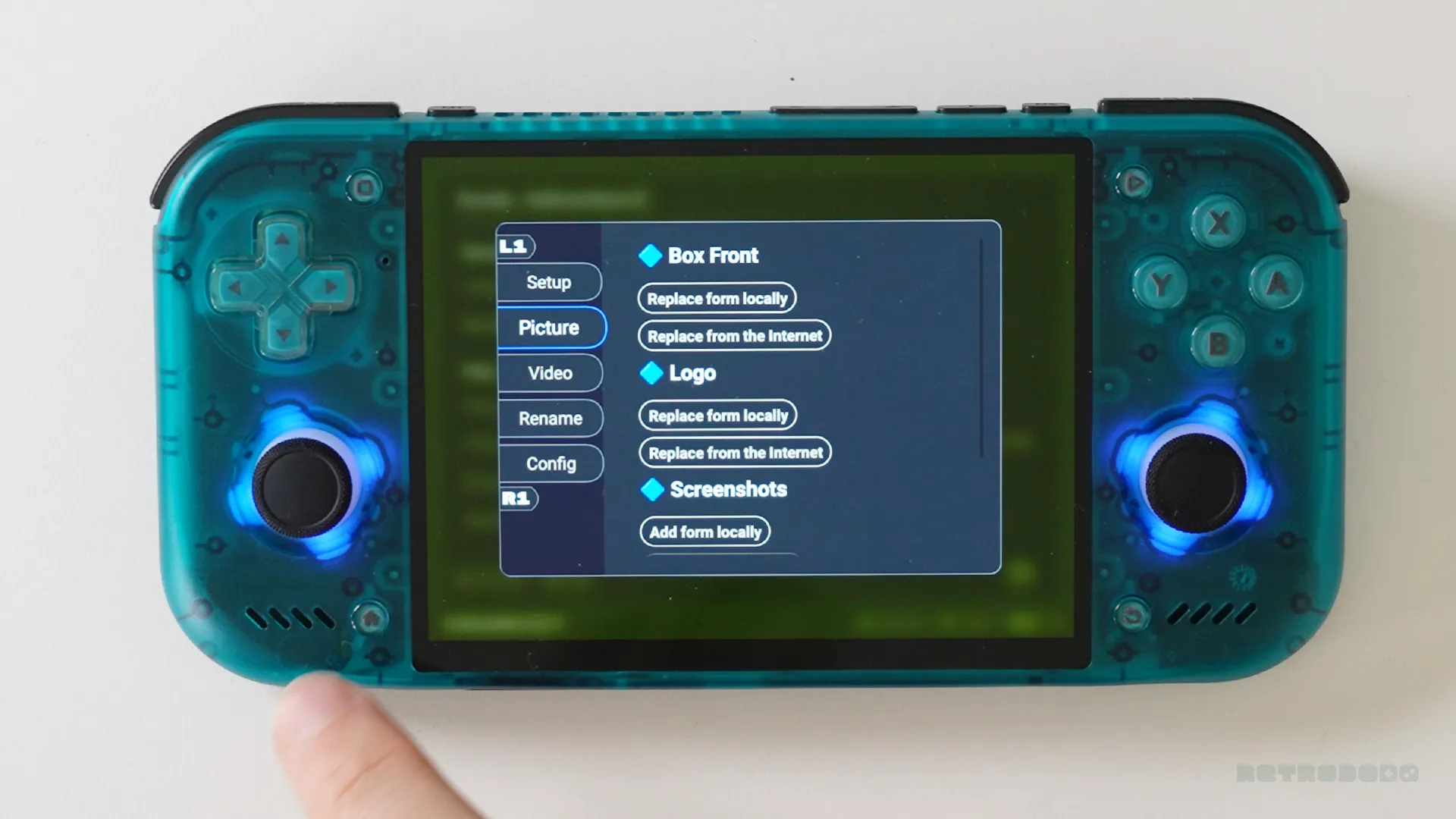
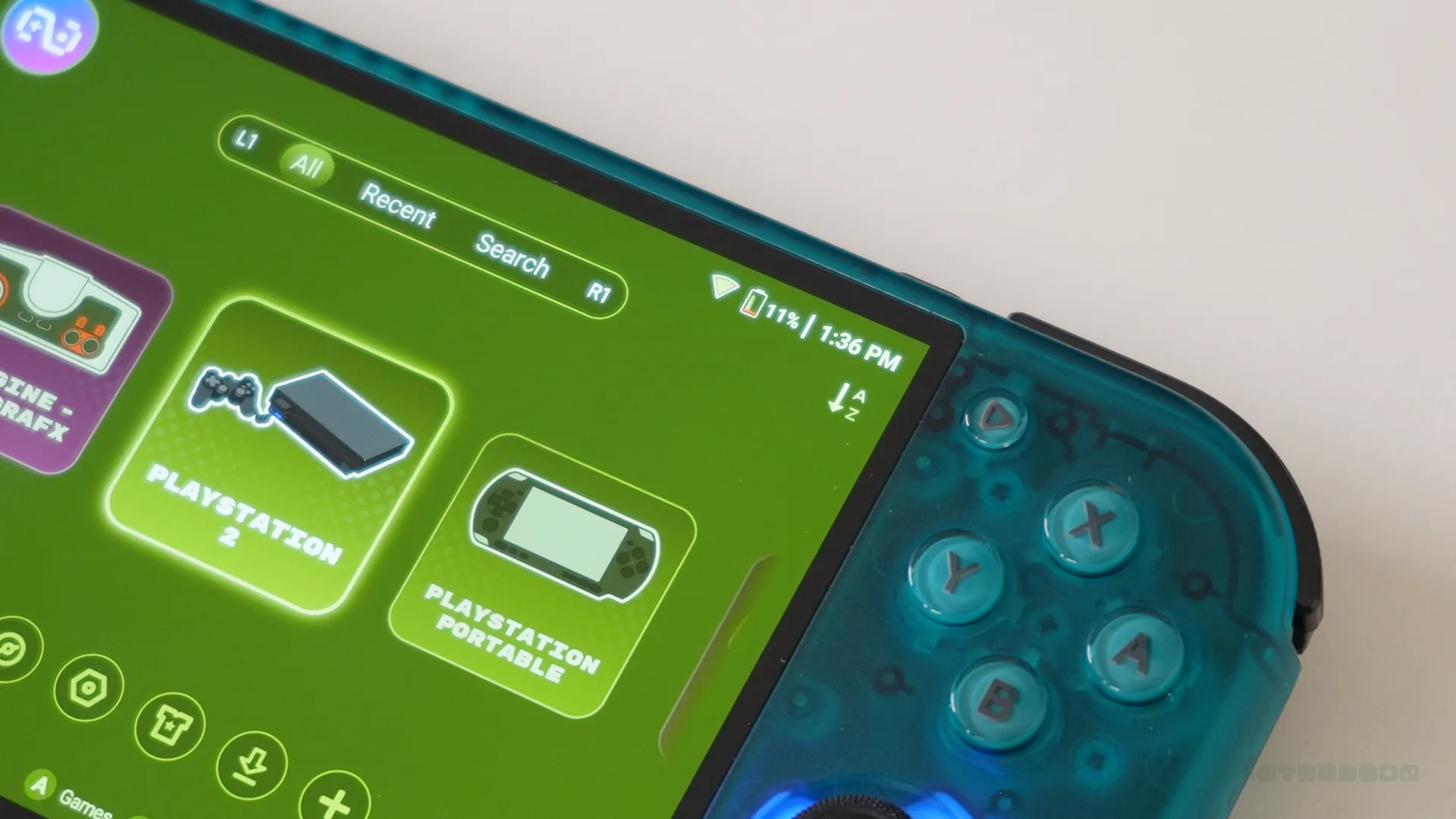
Retroid also has its own launcher, which, as you know from other reviews of mine, is pretty good. It's colourful, easy to set up and comes with a new feature that I have been asking for, for literally years. Automatically downloading box art for your games. I may have missed this on the Pocket 6, but I noticed it on here. This allows you to download missing box art for your games on the fly using a few easy presses that rip it from a browser. AYANEO did this years ago, and it was a neat feature for those like me who don't have the time to organise box art for all of their ROMs. This allows you to do it via the handheld, thanks to some custom code by Retroid via their own launcher. It just makes things look a little neater, and I applaud Retroid for finally listening.
Their launcher organises your games into consoles nicely, with an auto-import when you find the folder on your SD card. It also comes with some minor customisations; you can tweak your sticks' LEDs and the layouts of your library. It's as good as you're going to get from a manufacturer, and from what I can tell is frequently updated and allows those who don't want to look at the Android UI to use it as a startup launcher entirely. It jumps straight into your Android emulators from the launcher, too. It's sleek, colorful and a bunch of fun, but I do know many like to pair other front ends with these devices, which I recommend looking into.
One of my favourites is Beacon, which is slightly more minimal. I think as the months and years go by, many Retroid users find themselves finding something more appealing, which is a sign for Retroid to make something more appealing in the space. There are so many new frontends coming out soon, and if Retroid want to make some noise in the space, I think it would be a great opportunity for them to develop a truly great front-end to pair with their hardware. This will also give them an advantage over other manufacturers, that's if they're willing to invest in it.
Emulation Performance
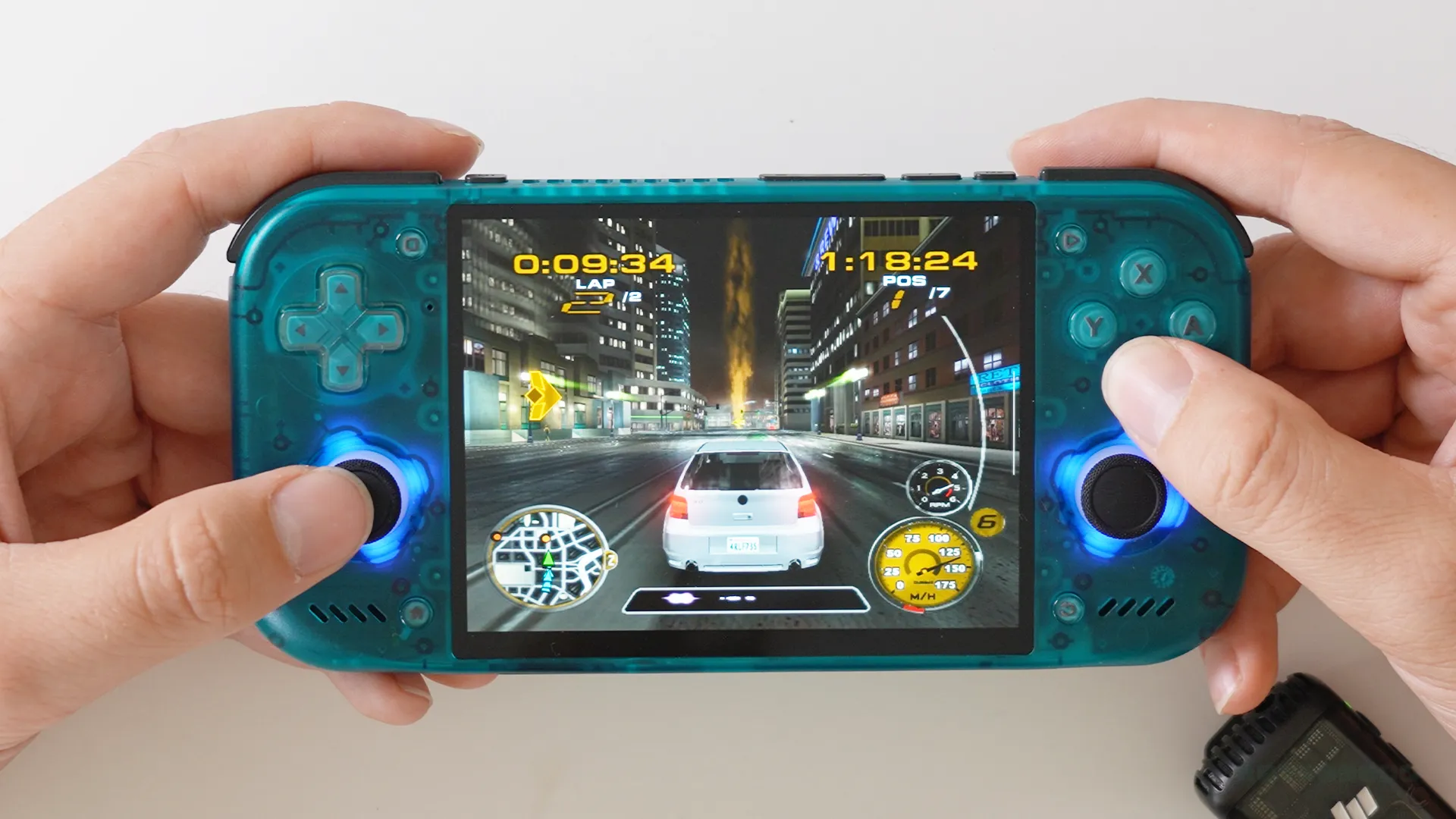
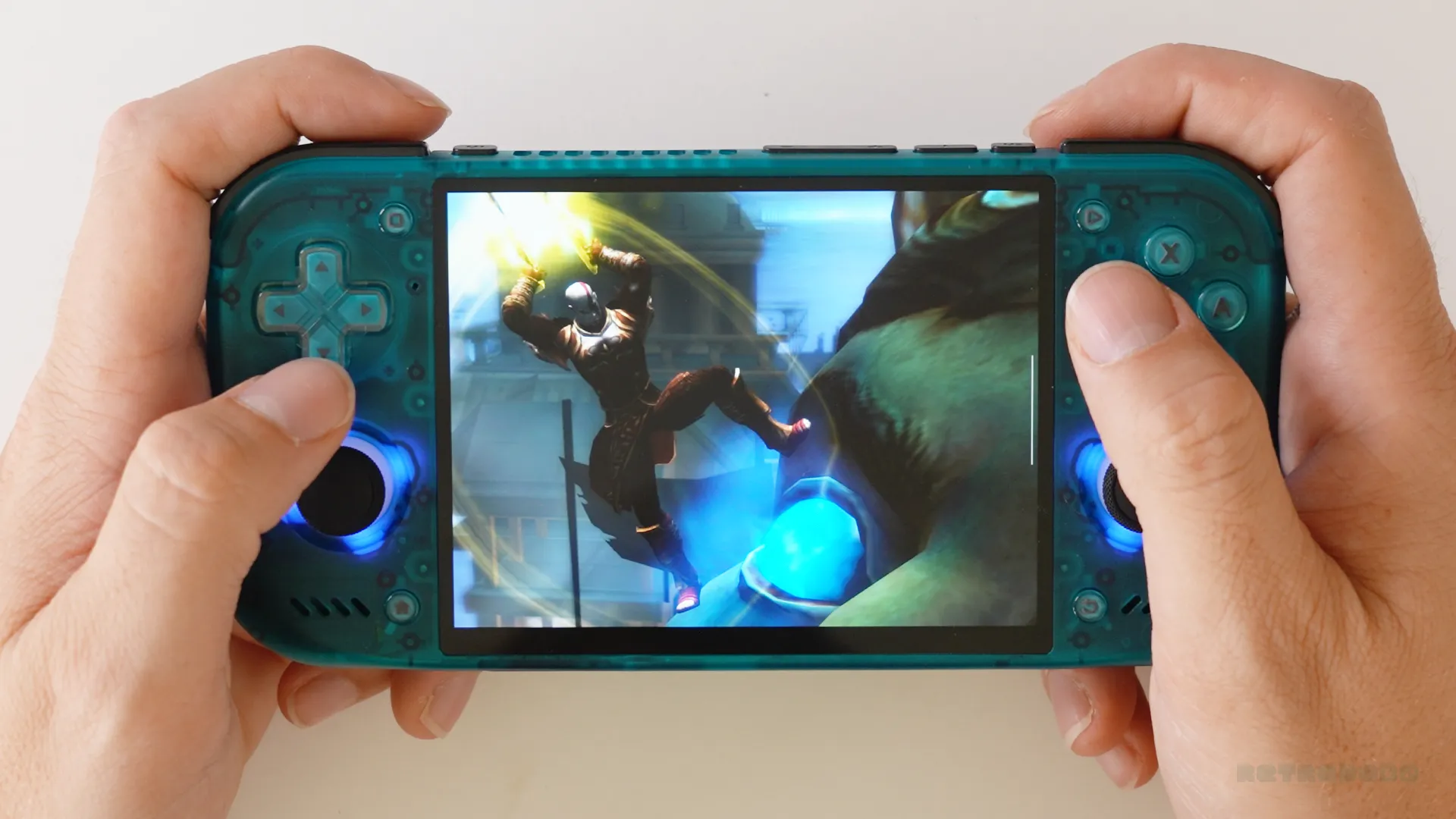
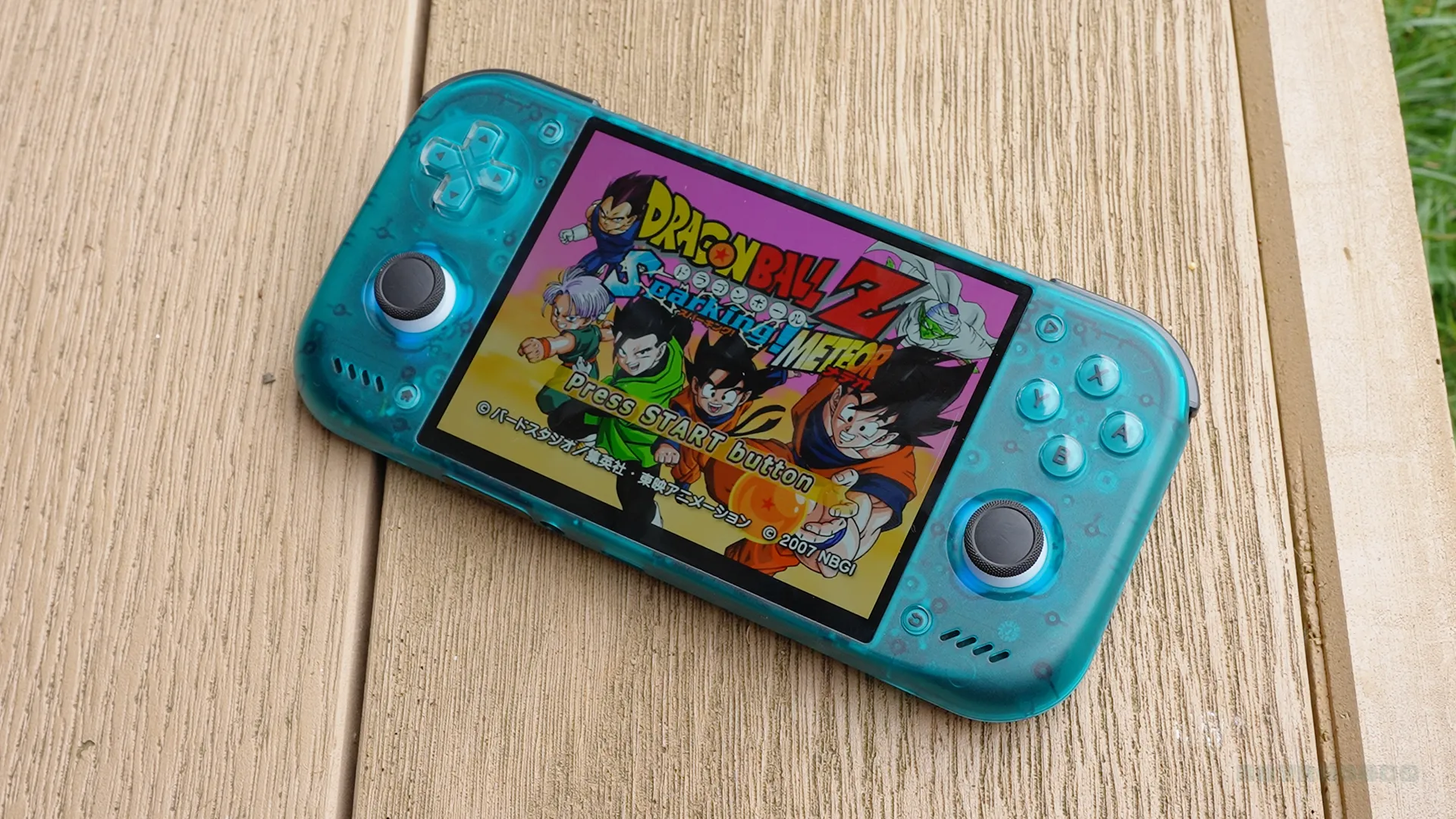
Let's talk about emulation performance. It's a beast, and I'm talking an actual beast, so much so that I could natively scale some PS2 games by 3 or 4x with filters, and frame rates wouldn't drop at all. Which is crazy to think that this tiny little device that can fit in your pocket can output so much power.
Being able to play Midnight Club 3 at 3x with no issues on a device like this gave my inner child a big smile. It makes emulating on handheld PCs feel a little redundant, especially considering its size. Many will ask if it can emulate Switch games, and yes, it can emulate a few, but I don't want to showcase that because Nintendo might come knocking, and I don't think anyone is buying a small 4:3 handheld for Switch gaming anyway.
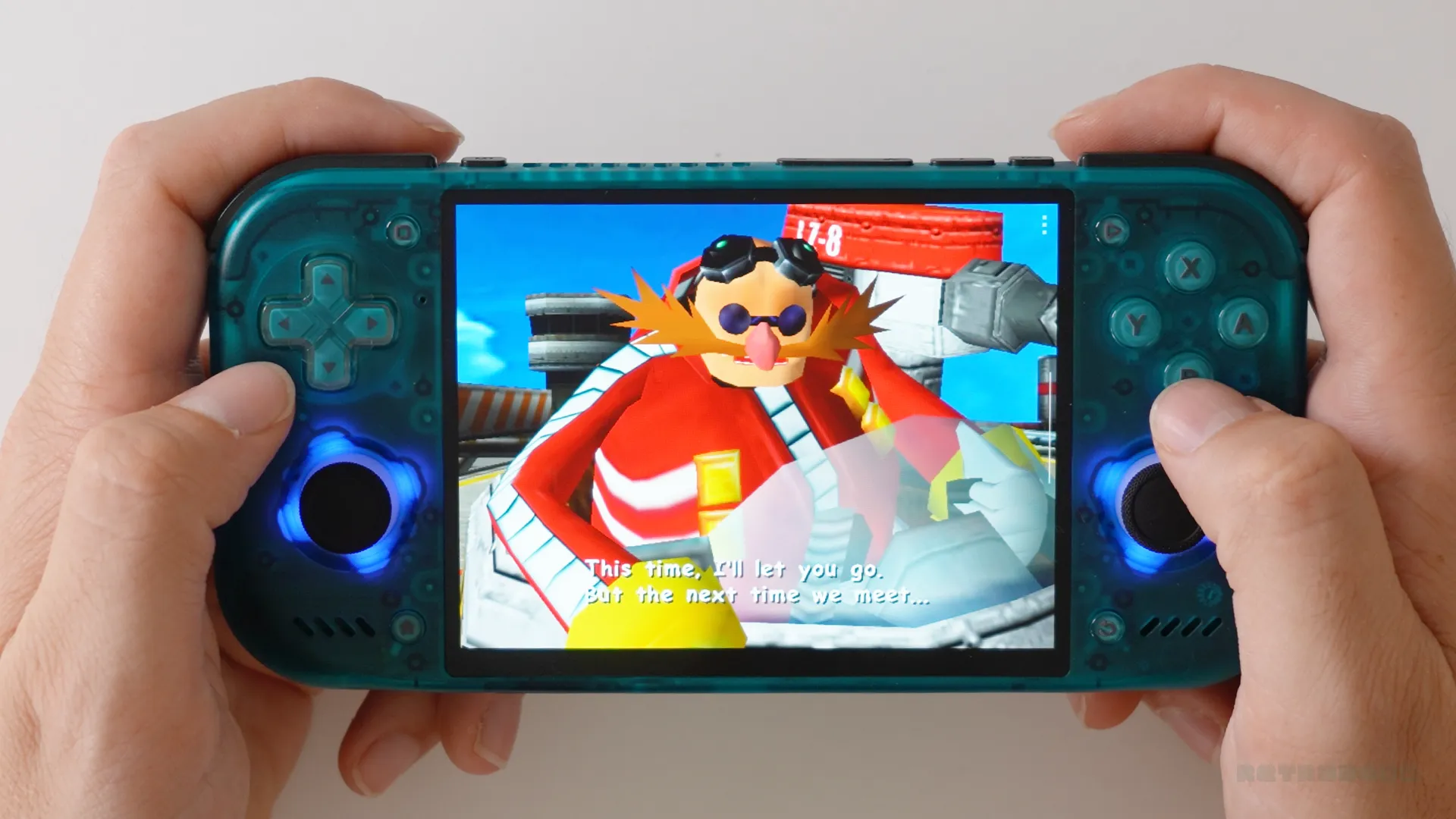
Most of my time was honestly playing PS2 games; it was so enjoyable. I then found myself playing a lot of Dreamcast games, which paired well with the beautiful display at upscale resolutions, the same for GameCube, which it can do well, Nintendo 64, and PlayStation 1, all thoroughly enjoyable on this 4:3 display, taking full advantage of every pixel possible. It can also emulate Nintendo DS and 3DS games if you don't mind switching between displays using a hotkey. PSP is 16:9 and feels a little cramped, so I didn't find myself exploring this much, but it is possible.
You can plug this into a monitor using the video output USB-C port, and it works as it should. You can connect a Bluetooth controller and even change it to a 16:9 gaming mode, too.
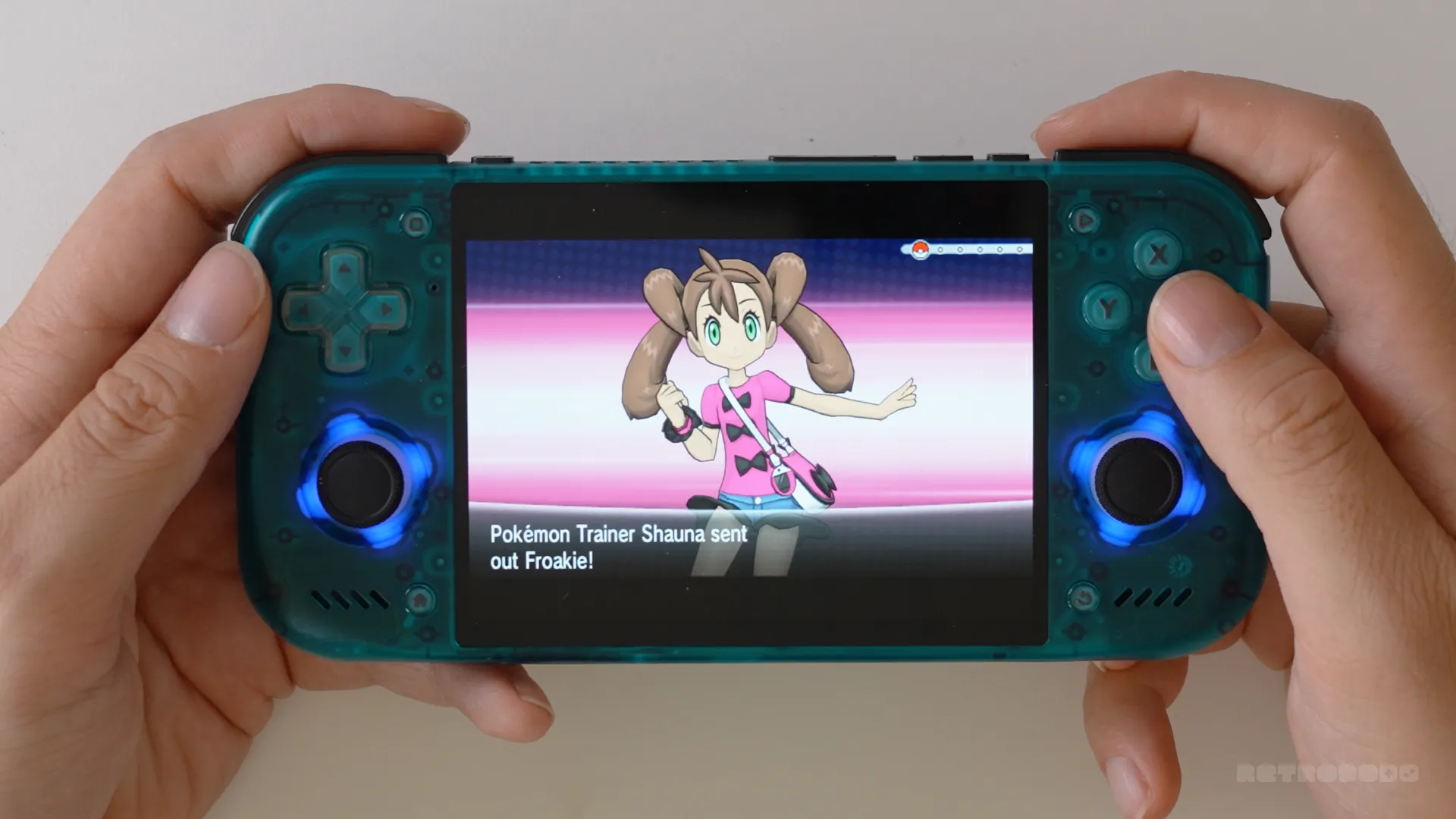
I really had to dig deep to try and find a negative in the emulation space, and the only thing that I could fault was the battery life, but I kinda expected that on a high-performing, small device like this that I mainly use for higher-end stuff. I was imagining the speakers would be low quality on here, like many in the space, but actually, I was pleasantly surprised by them. There was very little distortion at max volume, the bass was reasonable, and it did not sound tinny at all, almost like they actually thought about the speakers they installed in here, rather than going with something cheap and cheerful.
Honestly guys, im struggling to find anything I dislike about this device, it's an all-round emulation powerhouse that can undoubtedly tackle most things you chuck at it, which makes this a reliable handheld that I find taking out the house more than I imagined, even if it's the first time this year that I have to manage a handheld's battery because it's just so pleasant to emulate larger consoles on such a small device. You'll hear the fans going more often than you think, and it will get a little warm at times, but that's normal, and it means the handheld is doing its job. You can manage fan speed on the fly, but that may put pressure on the performance.
Android Gaming
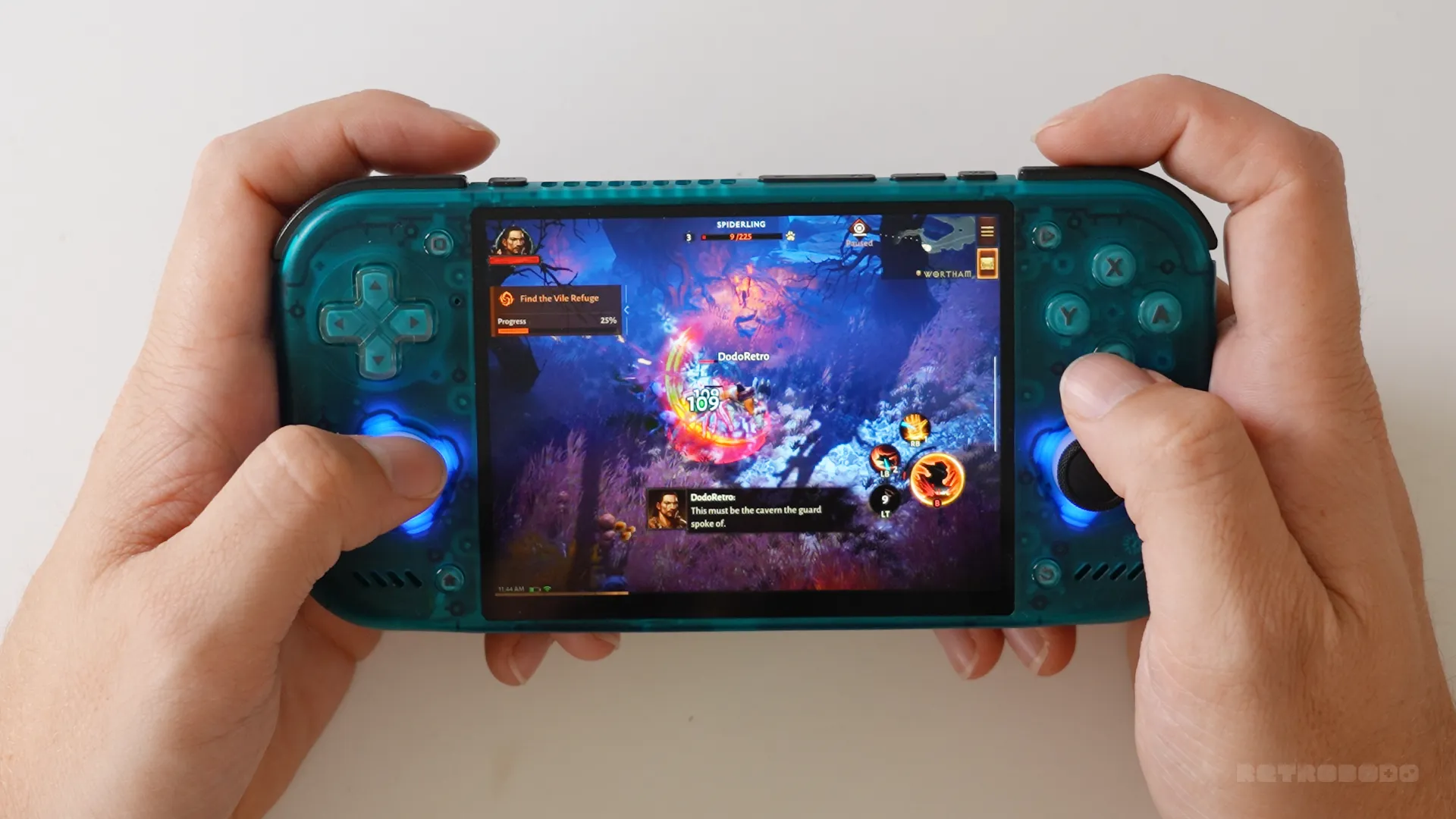
For those wanting to dabble in Android gaming, it is possible for sure, most modern Android games will adjust to the smaller display and take full advantage of its specs and refresh rate, but for me personally, it's not something I found myself doing a lot of the time, only because most of the games are designed for more screen real estate. But it's there, and no doubt many of you will explore this, because let's face it, this device isn't cheap, so why not take full advantage of it?
Overall Opinion
- The most beautiful 4:3 display I have seen on a handheld.
- Comfortable, portable ergonomics.
- Reliable high-end retro gaming emulation performance.
- Hall joysticks, fast charging and bouncy buttons.
- Top-tier build quality.
- Battery life needs managing at high-end emulation.
- Off-centre USB-C port and screen bezel.
- High-rise joysticks could cause issues/losses in the future.
Overall, this is one of the best 4:3 retro handhelds I have ever reviewed. We are now at that moment in time when superb PS2 emulation has paired with a beautiful 4:3 display in a comfortable, portable form factor that costs under $300. It's the last 4:3 handheld emulator you will need to buy if youre happy with a 4.5" retro-focused display.
The display itself is a reason to snag this, and my opinions will only make sense when you see this thing in person. It makes every game look incredibly colourful, bright, fun and silky smooth. There are reasons to get the Pocket 6 or larger Android devices over this, but only if you want a larger 16:9 display that pairs better with Android and PC games. If that's not your focus, this is the ultimate 4:3 retro handheld, and you'll likely never need to buy another one for many, many years if you sang it.
Retroid has begun shipping the Retroid Pocket Nova, and plans to ship all pre-orders within 3 weeks, but they have mentioned that a possible price increase is coming after Qualcomm has informed them that they may have to increase the prices of their chips. So, the best time to buy one if you're interested is today, it may go up in price.


