


The collectable scene is not slowing down; if anything, it's on a trajectory that nobody expected, especially in the trading card industry. Over the last 5 - 10 years, however, retro games have slowly become a highly sought-after investment, especially when graded.
Typically, many video games have been graded with WATA, a well-known grading company in the space that has had a rocky history due to some conspiracies that suggest they were internally inflating prices. PSA saw an opening and took it, becoming the newest grading company to accept an array of video games, opening up their grading service to video gamers back in October of last year.
With this opening, we have seen a wave of incredibly valuable, incredibly rare, and incredibly good-condition video games make their way through PSA grading. Such as the newly graded and recently sold sealed Super Mario Bros. for NES that graded a 9.6/10, making it one of the best condition versions of that game ever graded.
The private owner teamed up with Heritage Auctions to sell this video game through open bidding, and to everyone's surprise, after 3,516 bids, this auction broke all video game records, with a bid and sale of $3,000,000. Making it the most expensive video game ever sold.
“It is only appropriate that the most significant video game in the world should bring the most impressive result in the history of the hobby,” says Evan Masingill, Heritage’s Consignment Director for Video Games. “The remarkable back story — it was just discovered a few months ago inside a brand-new Control Deck NES console bundle, meaning it has not been touched for nearly 40 years — makes the result even more impressive.”
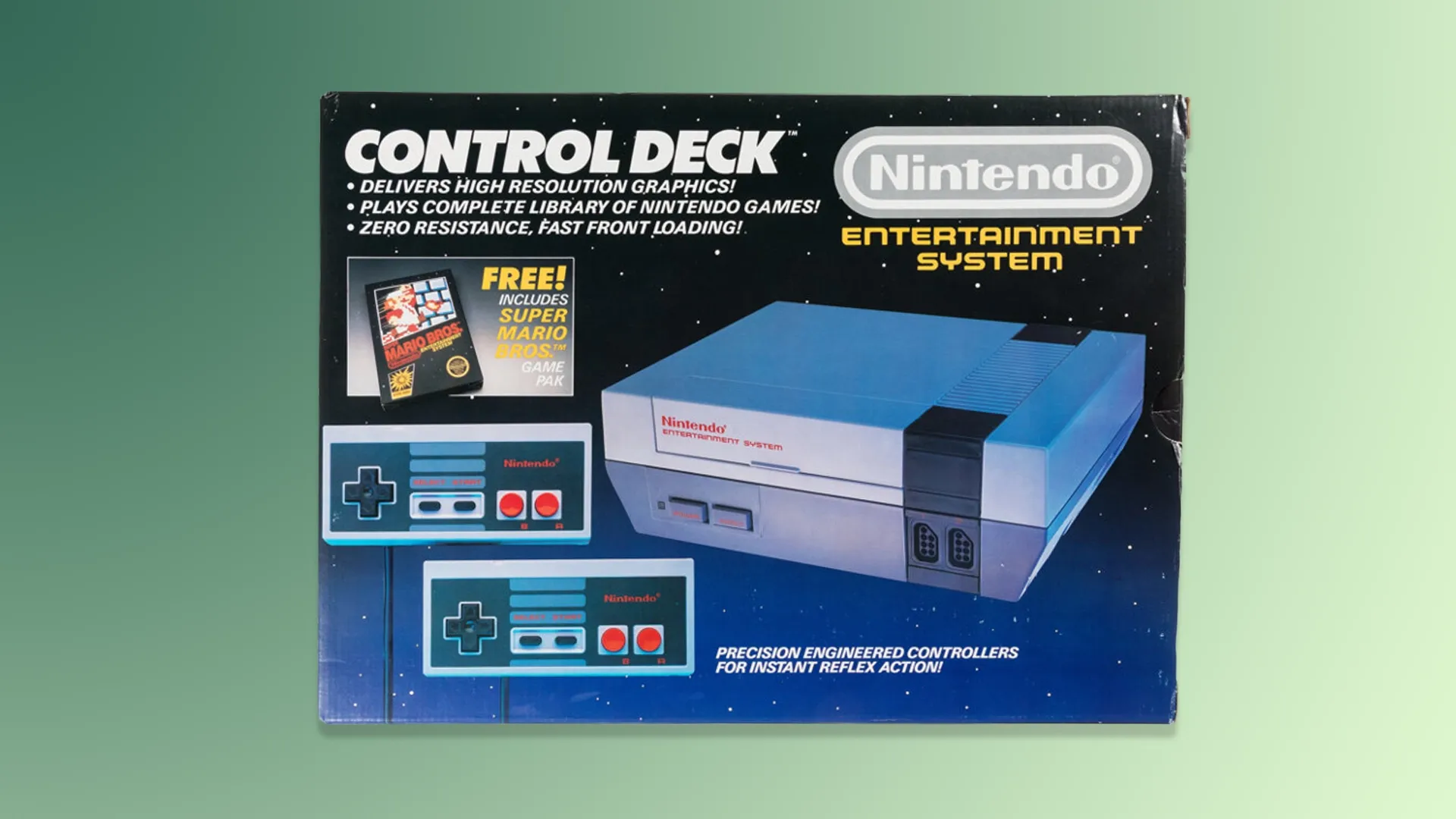
No wonder it was in immaculate condition; it was perfectly protected, never touched, and never saw the literal light of day. Think what you want about grading services, I, for one, do not grade my games, but there's something about finding the most immaculate condition version of one of the most iconic video games in existence.
This version of Super Mario Bros. has a gloss sticker format that was adopted in early 1986 after the short-lived matte sticker (exclusively featured on launch copies from Nintendo's October 1985 test market). With no known first-production examples in sealed condition, this is the earliest confirmed sealed copy of the groundbreaking game. Even within that razor-thin tier, it rises to the top: only three sealed gloss sticker second-production copies are known worldwide, and this is the highest-graded of the trio, with the others being Wata 9.4 A++ and VGA 80. Manufactured before Nintendo began shrink-wrapping their games in plastic, these sticker-sealed games are notoriously difficult to acquire in high grade 40 years on, due to their exposed cardboard surfaces and black covers.
This specific variant has never appeared in a public auction in sealed condition, underscoring just how elusive it is. The closest parallel is the widely publicised 2019 private sale of the Wata 9.4 A++ second-production copy, a landmark transaction that became the first six-figure video game sale and permanently shifted perceptions of what historically important games could command. That moment didn't create the scarcity-it revealed it, bringing mainstream attention to how few early sealed copies truly exist, and how extraordinarily seldom a certified gloss sticker second-production example surfaces at all. With just three confirmed, chances to acquire one are extremely rare.
Also included is a launch edition NES Control Deck console from the Los Angeles test market era, complete in box and unused. It retains all the original inner packaging, and the console and components are in gorgeous condition, having never been removed from the plastic. This is the very example with which this copy of Super Mario Bros. was originally bundled. The game itself remained untouched inside this console box for four decades, helping preserve the exceptional condition of both pieces.


