


Ocarina of Time was my favourite game as a kid. Scrap that; Ocarina of Time has been my favourite game since I first read about it in Nintendo Official Magazine as a kid. I've thought about this game every time I've written fantasy books, I find relevance to it in everyday life, and I've played it more times than I can count.
When the remake was announced, I felt like I was given the chance to relive the magic all over again for the first time, a game that feels nostalgic but new at the same time, and it's managed to capture the same feeling that eight-year-old me had when he opened up the black cardboard box on Christmas Day 1998.
I've been playing the remake thoroughly since it came out on November 5th, and I want to talk about my favourite changes between the remake and the original so far. I've purposely kept this to Young Link as I've only just headed to the Temple of Time, and I don't want to give away too many spoilers.
The Cutscenes
I mean, I've got to start with the cutscenes, right? It's Ocarina 2.0, the version of the game we've all been dreaming of since completing the original back in the 90s. Seeing Saria playing the Ocarina, Ganondorf blasting Link back and actually hearing his dialogue, and Princess Ruto giving Link grief in real time. I got chills when I heard the Deku Tree talking to me before heading inside to defeat Queen Gohma!
Ocarina has always been known for the powerful story that accompanies the action; I get the same feeling as reading a gripping book as I get when I play Ocarina, and that's a credit to the original writing team. But now that there are cutscenes accompanying the action, the whole thing just drives forward with so much more force. You feel even more a part of the action, and I've been watching them with the same wide eyes that eight-year-old me had when I first played this game.
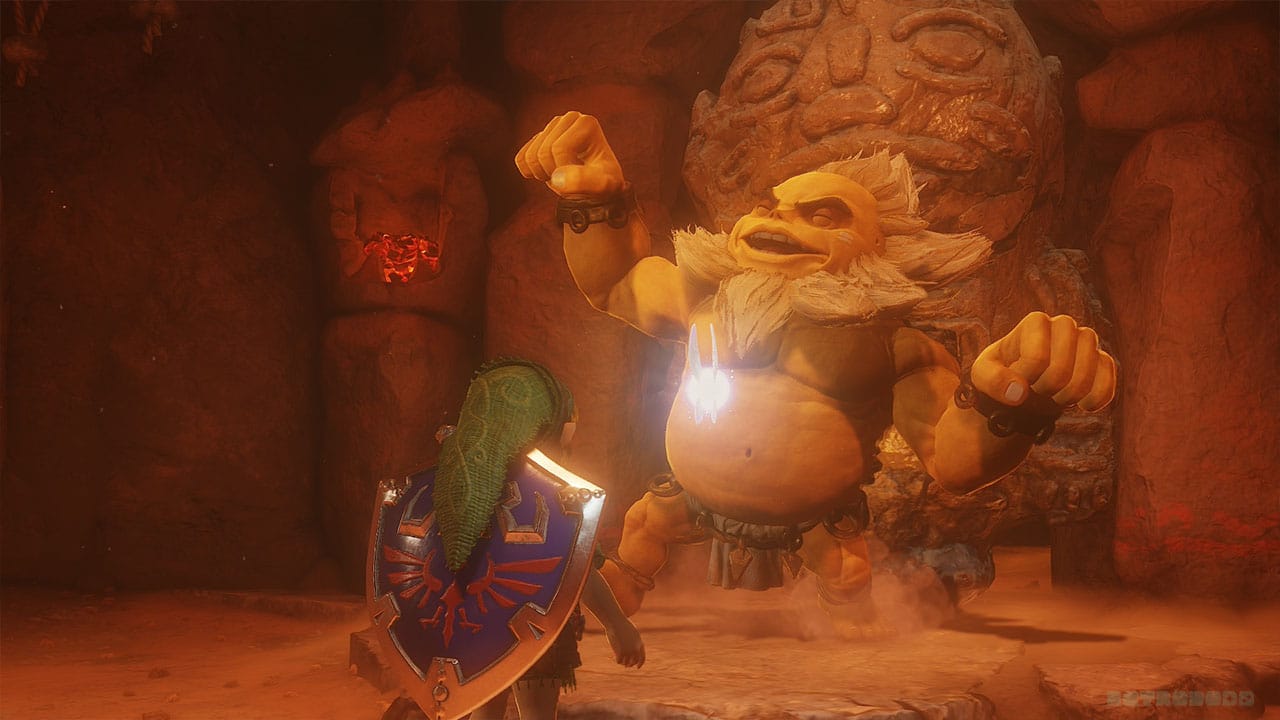
Thus far, Darunia's cutscene dancing to Saria's Song was the best thing I've seen in a Zelda game in a long time, even in Breath of the Wild. His transition from angry to happy was so much more apparent because of this little clip, and the fact that you can watch it again whenever you want just by playing Saria's Song is fantastic.
Character Development & Backstories
The story of Ocarina of Time is so much more in-depth now thanks to Nintendo bulking out the character development in the game, as well as giving characters that didn't really have much to do or say before a backstory that adds to the richness of the world of Hyrule. This is prevalent in lots of areas, but most of all in Hyrule Castle Town. Everyone has something interesting to say, and their narrative changes when Zelda and Impa leave the castle. Hyrule Castle itself gets locked down, and there's a tangible feeling of panic in the air, something that was missing from the original game.
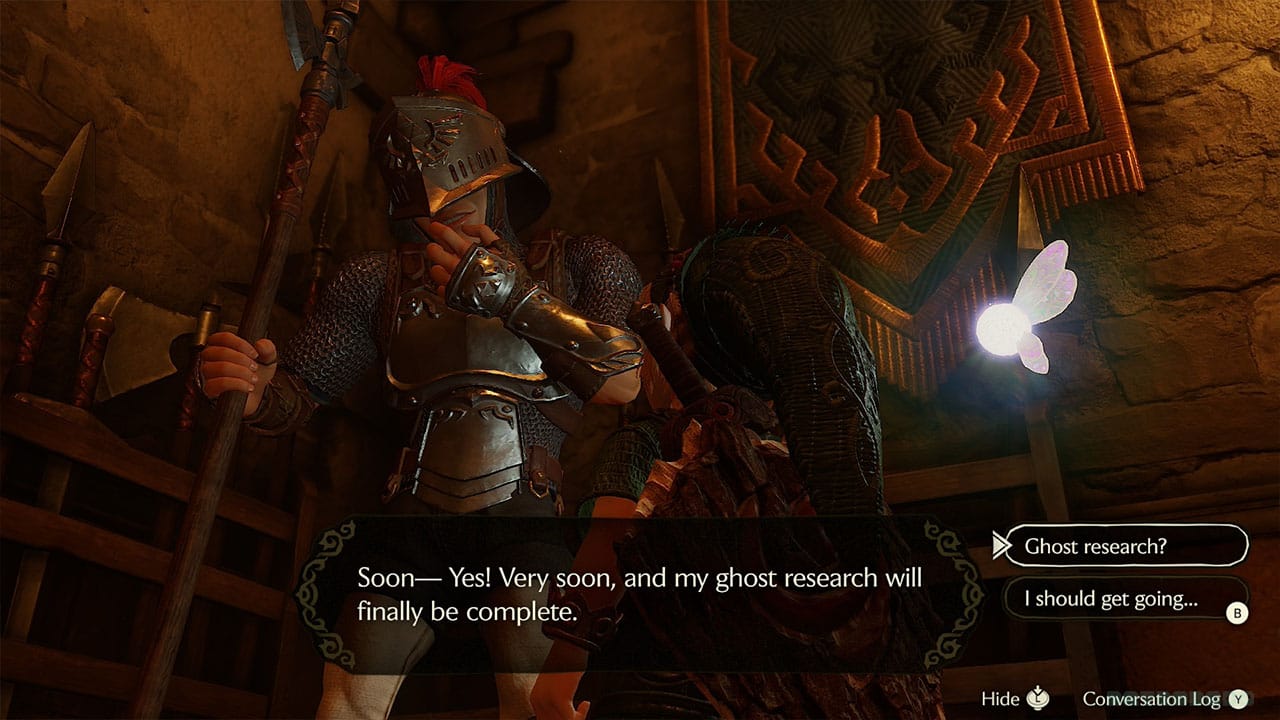
One person I really found intriguing was the night guard in the pot storage/smashing room in Hyrule Castle. He has a sinister, almost slightly deranged smile to him, as opposed to the other guards in the city who are very alert and proud. It's clear that, after talking to him, especially after the events where Ganondorf chases Zelda and Impa out of the castle, this same guard becomes the Poe Seller once Ganondorf takes over. It's a small thing, but one that adds so much more weight to the story.
The same goes with the people in Hyrule Castle Town chatting about whether they should move to different places, and people pestering guards for information. Market sellers suddenly look dejected, and it all adds to the feeling of impending doom.
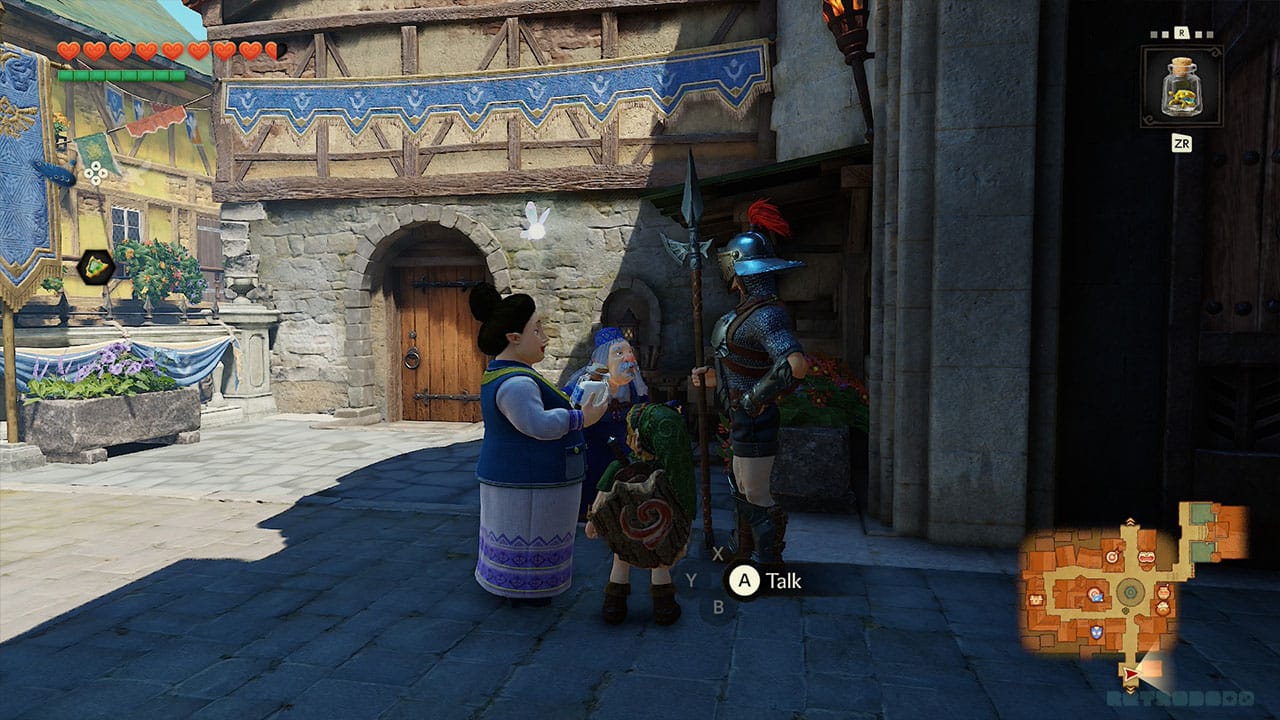
Likewise, things from Breath of the Wild and Tears of the Kingdom have carried on into this game too. The Gorons never used to talk about rock Roast in the original version of the game, but adding the element of them being so hungry that they can't mine rock roast from the cavern, as well as the overall level redesign to add rock roast into the equation, not only helps new players of OoT who have come from Breath of the Wild feel more at home, but it just makes more sense in general. It's adding meat to the bones of a story that I thought couldn't get any better, making it the ultimate version of my favourite game.
NPCs Having More Of An Input
Everyone loves an Easter Egg in a game, little secrets that the devs have put in to make you laugh or give you a bit of a shock. I always wanted more from Hyrule Castle when I was a kid; it's the epicentre of Hyrule, but you couldn't go in or do much there bar talk to Princess Zelda. Now, when you fire a Deku Seed into the Castle Windows, a guard will pop out and... well, you can check out the video above to see.
Hyrule Castle Town and Kakariko Village are prime examples of this - the running carpenters say much more and do much more than just run around aimlessly now. Ok, they do still run around like headless chickens, but they stop to get new tools, look at different houses, stop for team meetings, and more. The guards say and do more in both areas, and you can even watch the Castle Town soldiers changing guard duty when it's time for the day shift to clock off.
Link's Actions
Link always had personality in the old version of the game, yawning and kicking his boots, or hitching up his belt etc., but the new version of the game makes him feel more realistic. He interacts with the world around him far more than before, tentatively putting his feet down on strange objects or surfaces, moving plant life out of the way as he's walking through it, and generally showing much more intrigue than was possible back in the N64 days.
This might seem like something and nothing to some of you; ok, it's a next-gen game, big deal? Well, for players who grew up with Ocarina, it's a huge deal. We've now got a character who can convey far more emotion than before, adding to the trials and tribulations of a small boy who has to take on far more than he ever imagined he would, and then to come out of the sacred realm into a world he no longer recognises, all without saying a single line of dialogue. (You are the Link between Link and the game, as Miyamoto once explained).
Let's not also forget little things like the throwing or handing over of Rupees to Great Fairies or shopkeepers, and the shopkeepers then placing the money under the counter, as opposed to just automatic transactions. Everything is helping to make Hyrule feel more like a real kingdom; these actions might not have a huge impact on the main quest line, but as a player, I appreciate them all for giving me a better experience.
Level Design & No Loading
When Breath of the Wild first released, I couldn't believe that you could move into some areas without a load screen, especially walking into houses and shops. Having a loading screen to go into the Hyrule Castle Bazaar or to go into Lake Hylia isn't necessary these days, and being able to walk in and out of shops like in BotW or in games like Hogwarts Legacy is amazing.
That being said, there are some areas where there are loading screens, albeit short ones, to give people who played the original that feeling of nostalgia. And you know what, I'm alright with it, because I grew up with it. If I'm nipping into Hyrule Castle Bazaar to get a potion, I don't wanna wait, but when it comes to moving from Death Mountain to Kakariko Village, it gives me that same time where I used to have a swig of a drink, stuff my mouth with crisps, or wipe my hands on my jeans before grabbing my controller.
In terms of overall Level Design, it feels like all of my Christmases have come at once, which is ironic, as I had that same feeling the first time I opened the black PAL Ocarina of Time box for Christmas of 1998. There are new segments to some of the puzzles in the dungeons, and everything looks phenomenal. Inside Jabu-Jabu's Belly, for instance, looked pretty realistic when we were kids, but we had to use our imagination a lot to fill in some of the gaps. When I fell down in the Switch 2 version, I felt like I was actually inside a creature. The way the switches moved up, the doors opening up to get to different parts of the dungeon; they felt, if not realistic, then more detailed and filled me with awe.
Don't forget the different placement of the free Hylian Shield too!
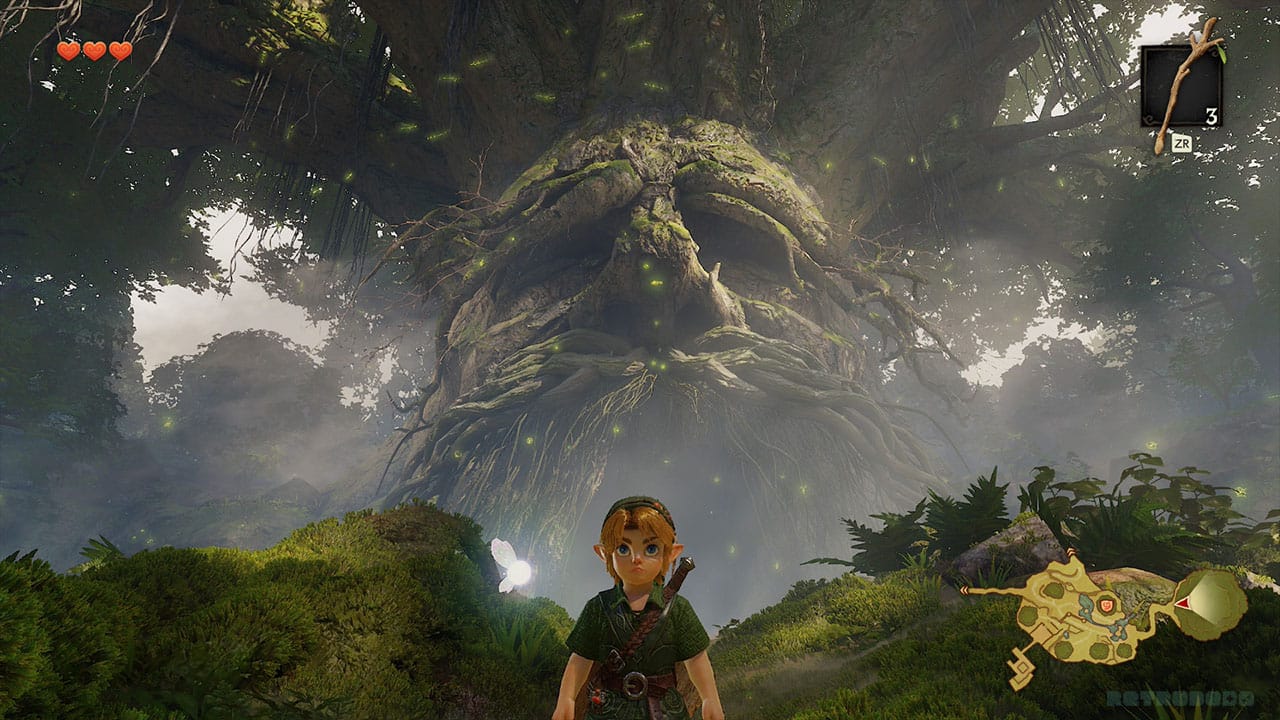
Two other examples that spring to mind are the run up to Hyrule Castle, both the grounds and the change of running through a pantry to get to the main castle gardens; and the glade where the Deku Tree resides. The castle has whole new segments in it, and the Deku Tree has so much more detailing not just on its face, but in the space around it as well. Grass, mounds, Gossip Stones - it feels more magical, and in a way that, in my opinion, they didn't manage to do with the Deku Tree in Breath of the Wild.
The Item Selection Menu
How much better is this? I hated having to go to the main menu, pick my favourite three items, and then swap and change as I went through the game. Now, you can pick what item you want super easily with the scroll selection menu, easily switching between your bottles and Fairy Slingshot or Boomerang, etc without having to open up the Start Menu every time. It's also easier to put masks on and off too, or to use your Ocarina, thanks to the D-pad/directional buttons, depending on whether you're using the Pro Controller or not.
You still have to open up the Start Menu to swap and change tunics or to equip/unequip the Echo Gem and other key items like your shields, but the animations make up for that fact.
The Echo Gem
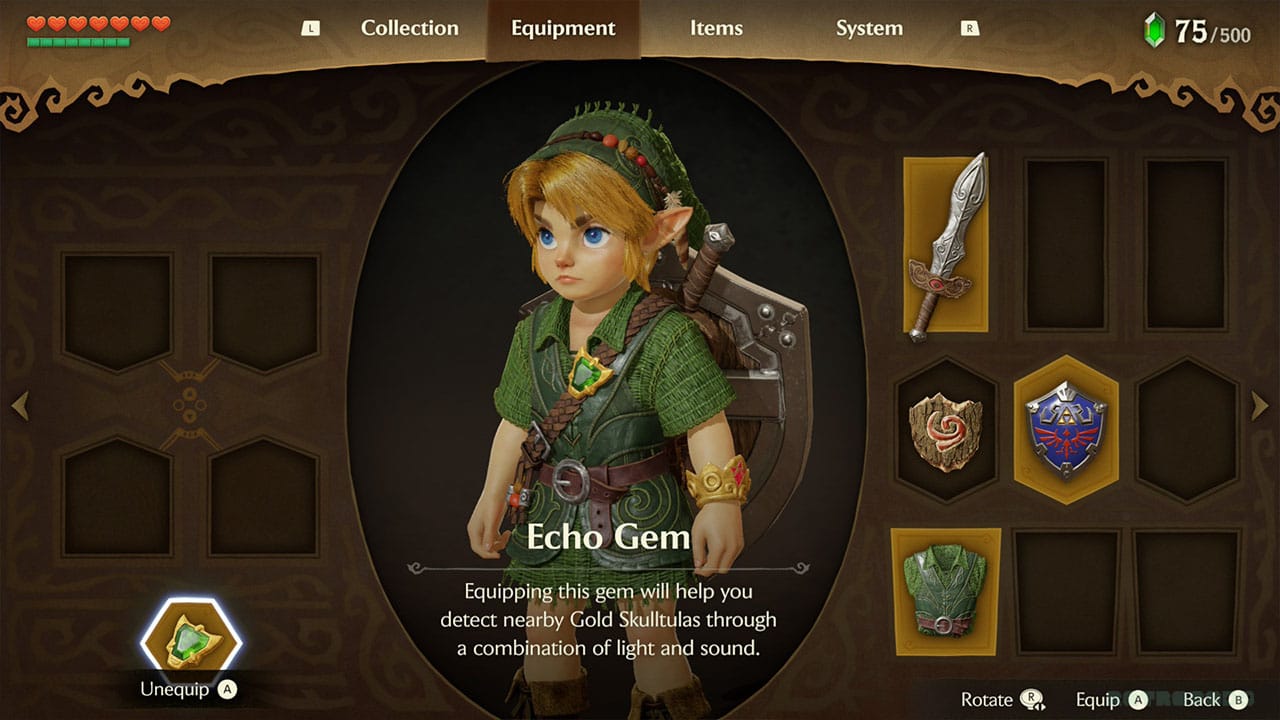
The Echo Gem is a new feature in Ocarina of Time, and it's possibly one of my favourite items thus far. It replaces the Stone of Agony, the feature that used to make your controller rumble, provided you were playing with the Rumble Pak attached, as the item that you get for getting 20 Gold Skulltulas. The Stone of Agony, or the Shard of Agony in the 3DS version of the game, alerted you to when you were standing near a secret Grotto. The Echo Gem simply lets you know when you're near a Golden Skulltula, allowing you to have an easier time of finding all 100 hidden throughout the game.
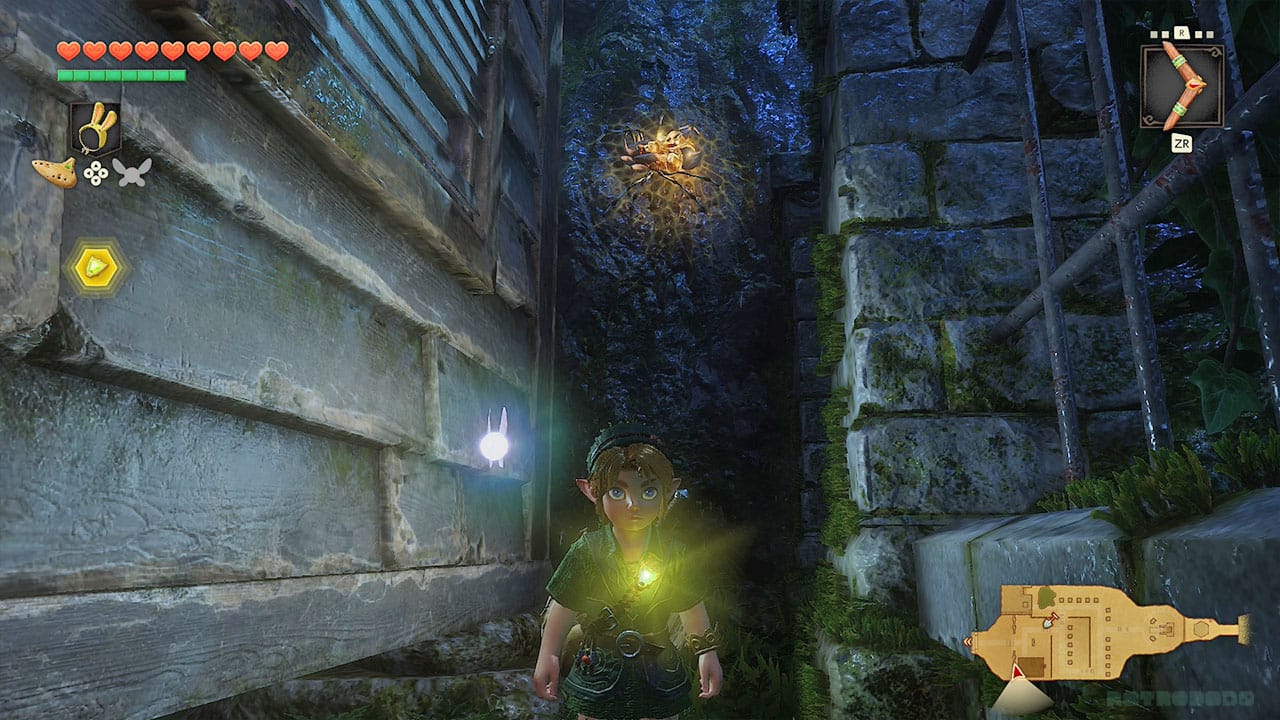
The Echo Gem looks a little like the Spiritual Stone of Fire, but green, and it sits on your chest. When you get near a Golden Skulltula, it starts to glow, getting faster as you get nearer. It's bright at night time too!
Navi's Interactions
I find it incredible that Nintendo blind auditioned for the voice of Navi and picked the same person they hired 28 years ago. That just shows that she has the true spirit of this game within her, huh?
As well as Navi actually speaking in cutscenes in the game now, I really like the fact that she has little speech bubbles popping up when things happen in the game. When I got the boomerang, she suddenly commented on it being pointy, and she'll comment on little things like a ghost fitting in a bottle. It all helps to show the connection between the two, but for me, it runs a little deeper.
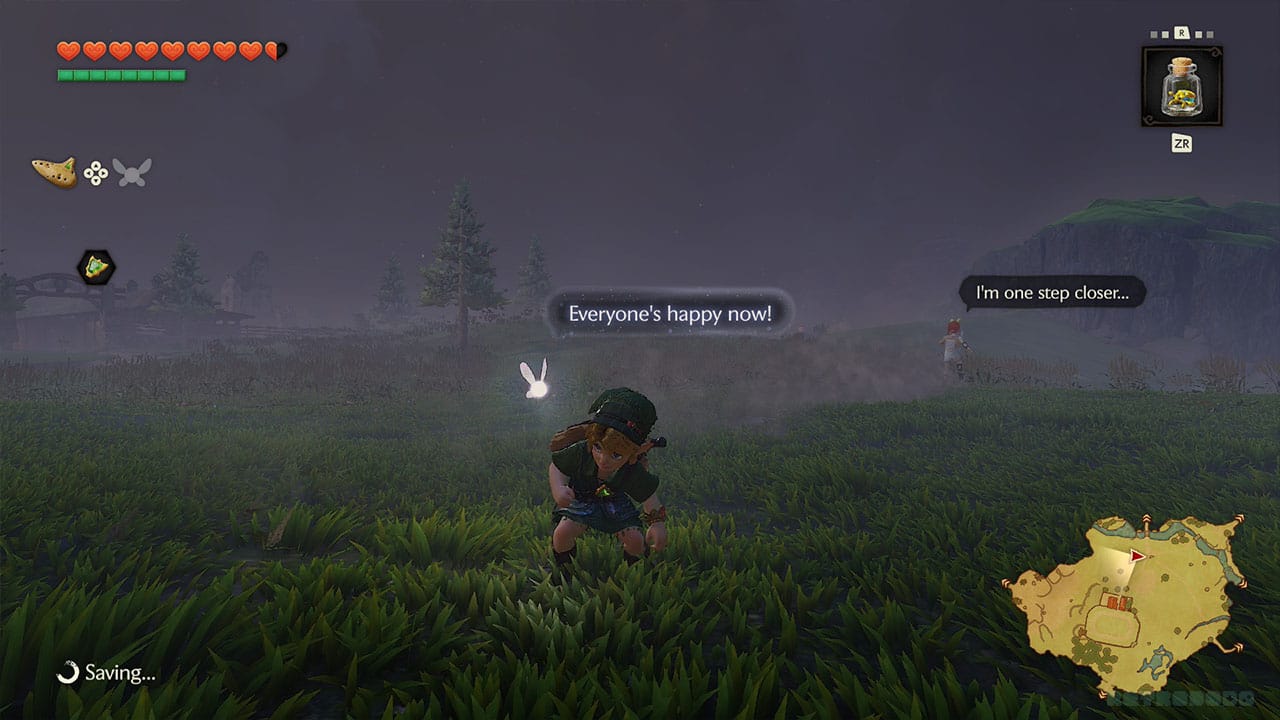
Link didn't have a fairy growing up. He's the only one in Kokiri Forest who doesn't have a fairy, until the Deku Tree calls on him and sends Navi to go and find him. He's been missing out on these interactions with a fairy friend for most of his childhood life thus far, which is pretty sad. So it's nice to see Link having a bit of company as he heads off on his adventure.
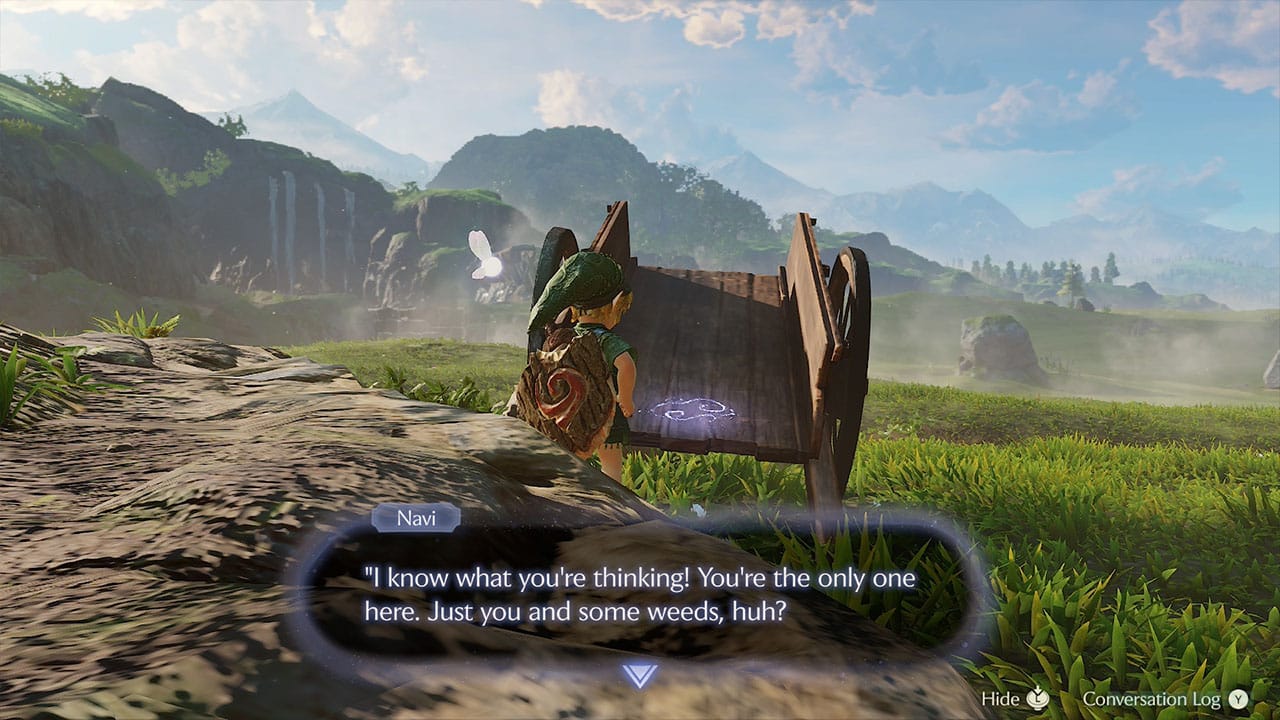
I also really like the new messages that are left by fairies throughout the land that give you little hints and tips about the game. I honestly never knew that if you held a DekuS Stick incredibly still around butterflies, they would touch the top and turn into fairies, for example. They also add an extra element of excitement to the game: the thought that fairies have been roaming Hyrule and leaving little clues for you to find; it gives the act of having a fairy a little more depth and makes them more important beings in their own right, as opposed to just a companion that the forest folk have (even though I'm pleased Link finally has one!).
The Mask Of Truth
Hyrule Castle Town looks like such a happy place where everyone gets along and has no problems, until you get the Mask of Truth. One thing I love about this new remake is that you can wear the Mask of Truth to talk to the inhabitants of areas, and before they speak, you'll get a snippet of the truth that they're thinking.
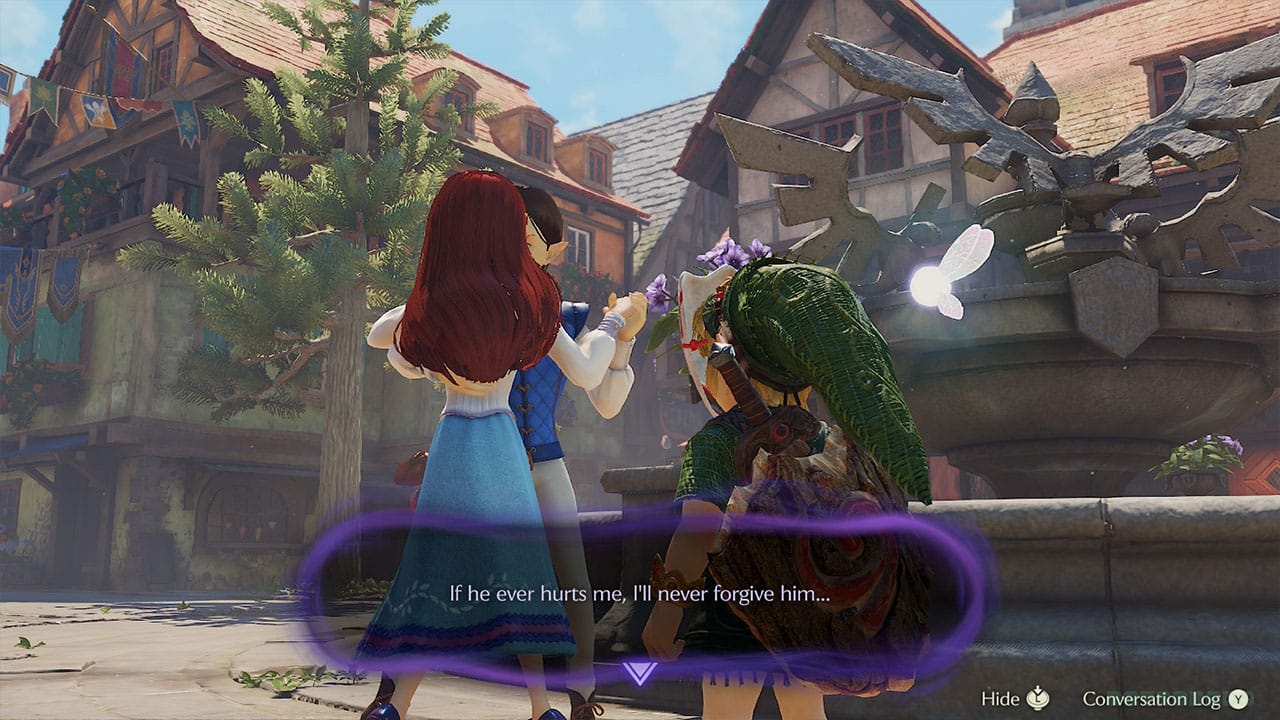
Remember the dancing couple in Hyrule Castle Town? On the outside, they're so in love, but when you use the mask, the man says that he can't remember her name, and she says she's worried that he's going to hurt her.
I've used the mask all around Hyrule Castle Town, and it's interesting to see both sides of the characters. It threw me that the laughing men near the fountain seemed a little depressed inside too. The mask adds such a darker feel to the friendly square, and it shows that in real life, everyone has troubles that they might be dealing with that we can't see. I kind of feel like it's a win for breaking the stigma around mental health as a whole, and I'm here for it.
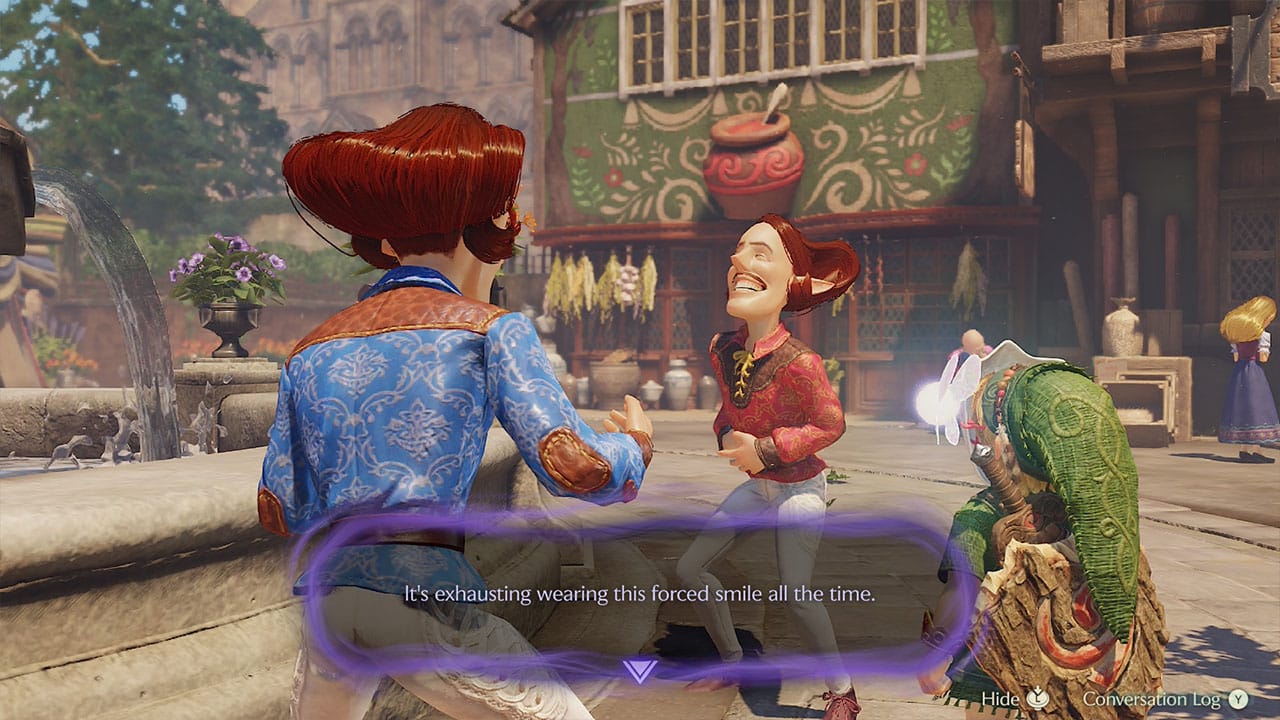
This little trait adds so much more to the mask than just talking to Gossip Stones, and it makes the mask trading sequence less of an optional side quest and more of something really worth doing.
Bonus: Ocarina Humming
Come on, humming Ocarina tunes will never get old. I've been humming all of the tunes instead of inputting them with the controller. I've even tried playing Saria's Song with a guitar as well, and it works amazingly. The fact that you can get a proper Ocarina from Nintendo to play alongside it is something I think I'm going to need to invest in soon - I've just gotta practice my breathing now so I don't sound like a set of squashed bagpipes!


