


The Retroid Pocket 6 is finally here, and I've had mine for a few weeks, exploring its limits and seeing where this fits into the ever-growing and oversaturated Android handheld market.
The Retroid Pocket 6 didn't start off with all of the excitement that was intended, after its first product design images left the community a little disheartened.
Yet Retroid took it on the chin respectfully and asked the community what they wanted, and this new design reflects their community's demands.
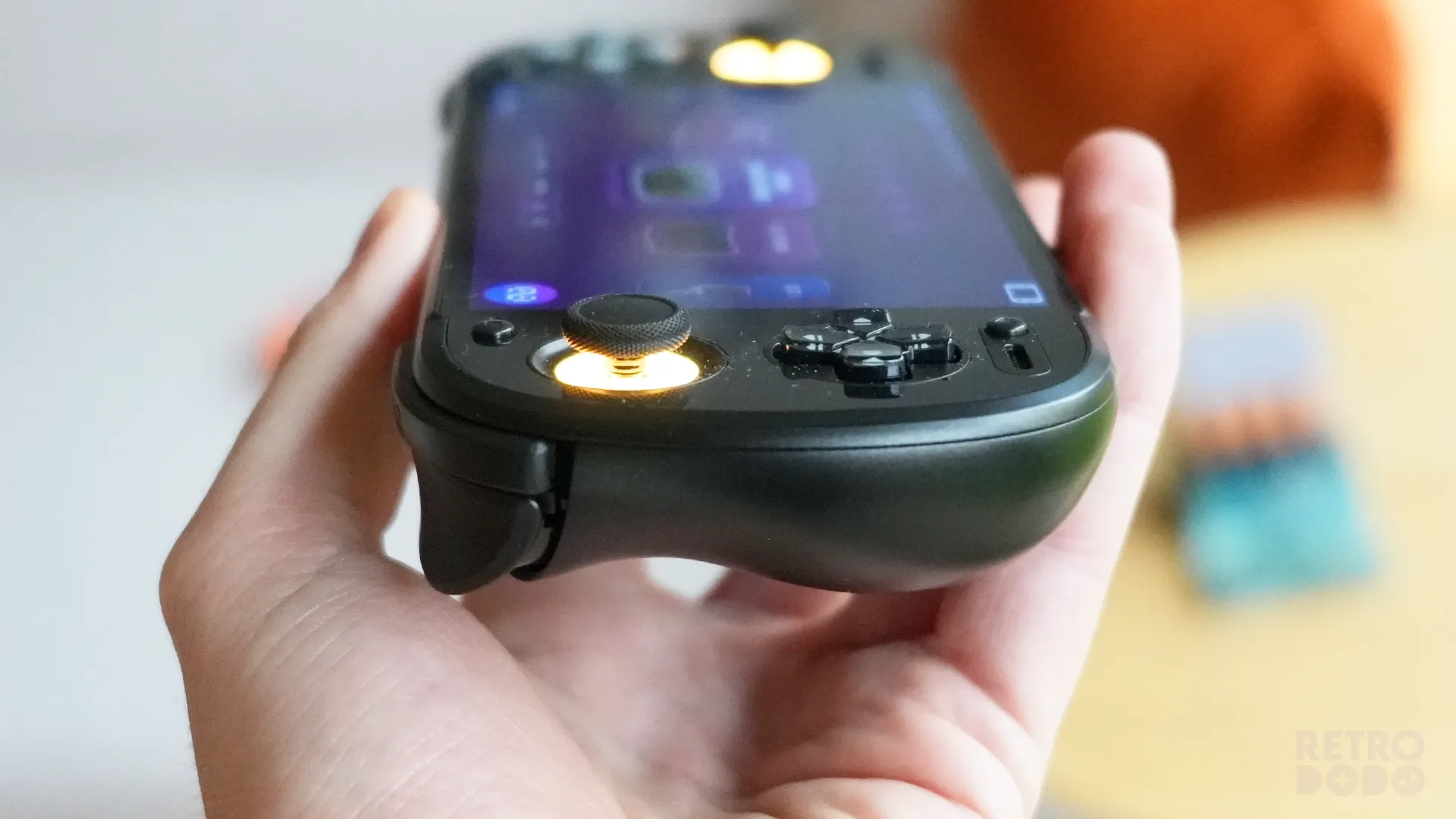
But for me, as you'll read in this review, it's a design that feels like it's being used by every other handheld manufacturer. The glass front, the LED joysticks, the rounded edges, the back buttons and so on and so on.
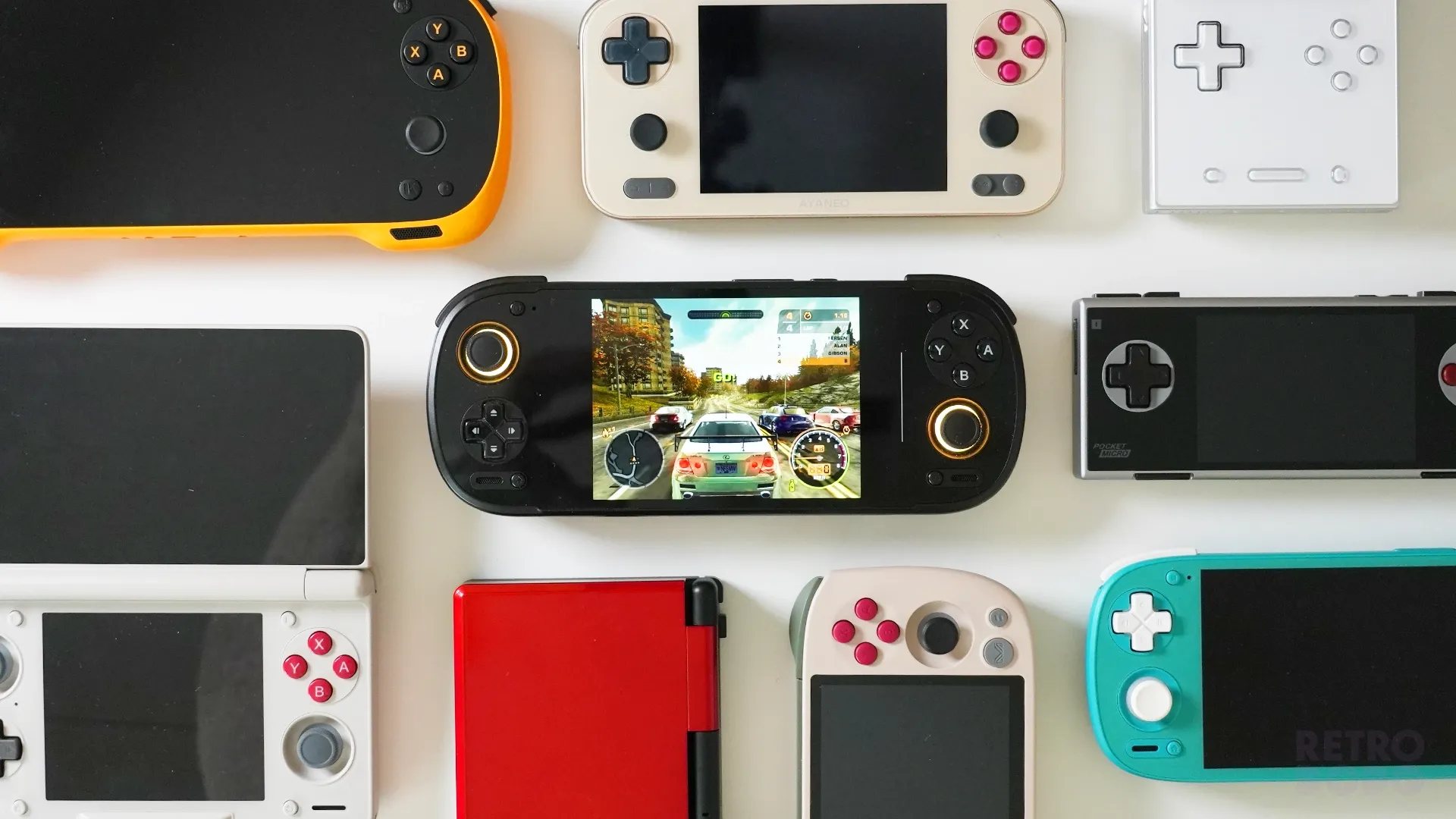
Look at the RG PS Vita, the KONKR Pocket Fit, MANGMI Pocket Max, AYN Odin 2, they all look the same, and I feel like the market right now is struggling to angle itself with unique selling points that get handheld gamers excited.
That said, the Retroid Pocket 6 is an incredibly powerful, truly portable Android handheld that works well and does the job of playing and emulating your favourite retro games efficiently.
Retroid Pocket 6 Specifications
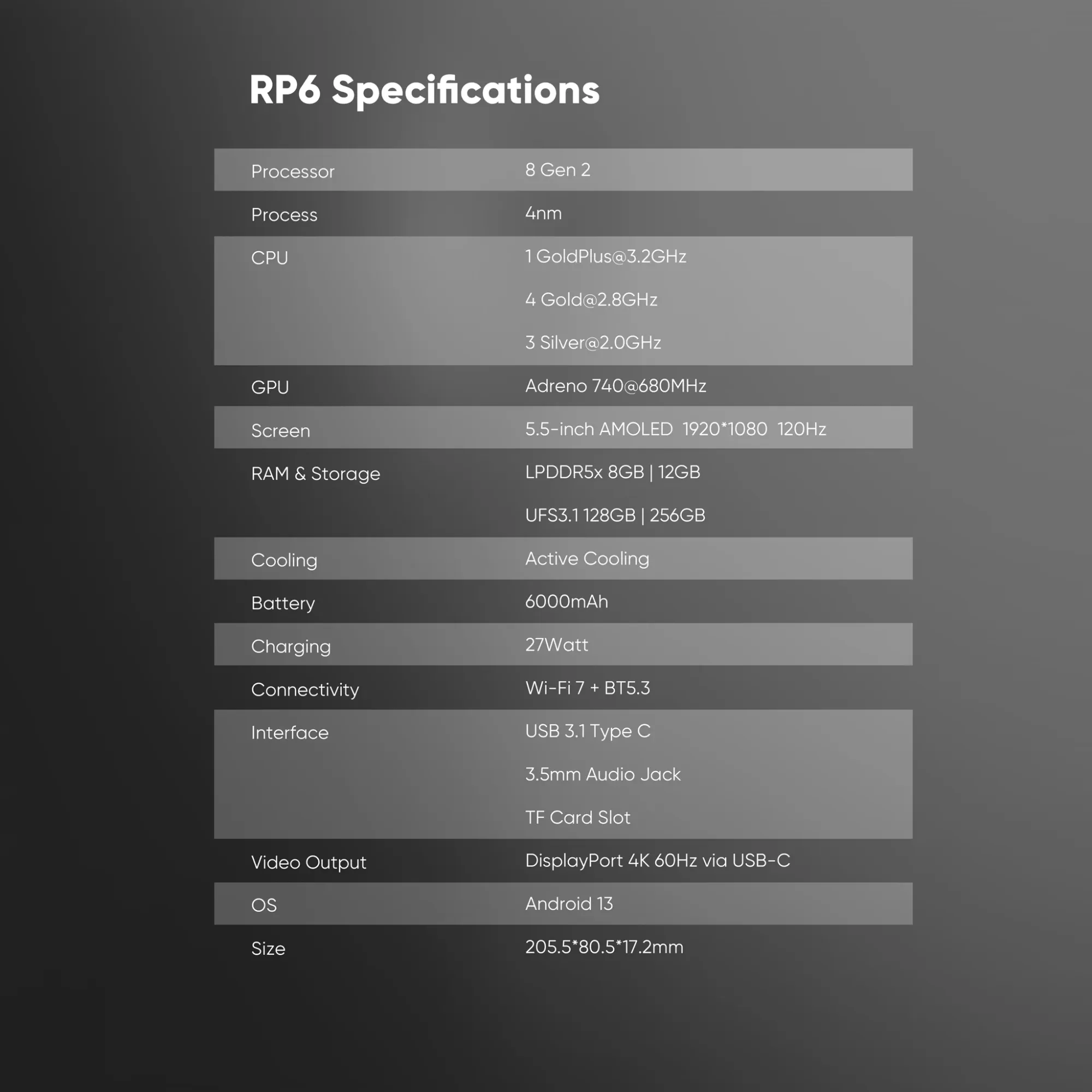
- 5.5" AMOLED 1080p Display (120Hz)
- Snapdragon 8 Gen 2 CPU
- Adreno 740 GPU
- 8GB
- 128GB - 256GB Storage
- Android 13
- 6000mAh battery
- Wi-Fi 7 + BT 5.3
Where To Buy
- Official Retroid Store - $244
- AliExpress - $350+
Let's rip the band-aid off, the design...
I don't enjoy starting off my handheld reviews on a negative, but I want to get this out of the way so that I can share with you why this is indeed a great device.
But first, the design, as mentioned, is not exciting me in any way, and it's because I have a lot of love and respect for Retroid as a brand. They've made many handhelds in the past that I absolutely love, and was genuinly excited for thanks to their dedication and often times of taking risks and innovating when others don't.
But this isn't one of them, likely because of its somewhat boring design, the lack of innovation from Retroid themselves and also because of how the market just all feels the same right now.
Mixed coloured shells and buttons can only take a bland design so far. You may be wondering, "But Brandon, what do you mean by innovation?"
I mean, being different, doing things others don't, stop following the crowds, etc. You could slap any other handheld manufacturer's logo on this, and you'd believe it was made by them.
This is a $250 device; it doesn't have fingerprint recognition, which is common in handhelds of this price range, nor does it have unique ways of using LED lights elsewhere. It's all plastic, no trigger-locking shoulder buttons like the KONKR Pocket Fit, or removable magnetic buttons like the Mangmi Pocket Max, heck, why not add removable face plates or something like the Miniloong Pocket 1?
Other manufacturers are innovating in the space, but for some reason, Retroid are not, and it's showing. I want Retroid to take risks, to do something different. Hopefully there next handhelds will show that they're building for the people, not for mass production.
If you do like the design, however, then you're in for a treat!
The Look & Feel
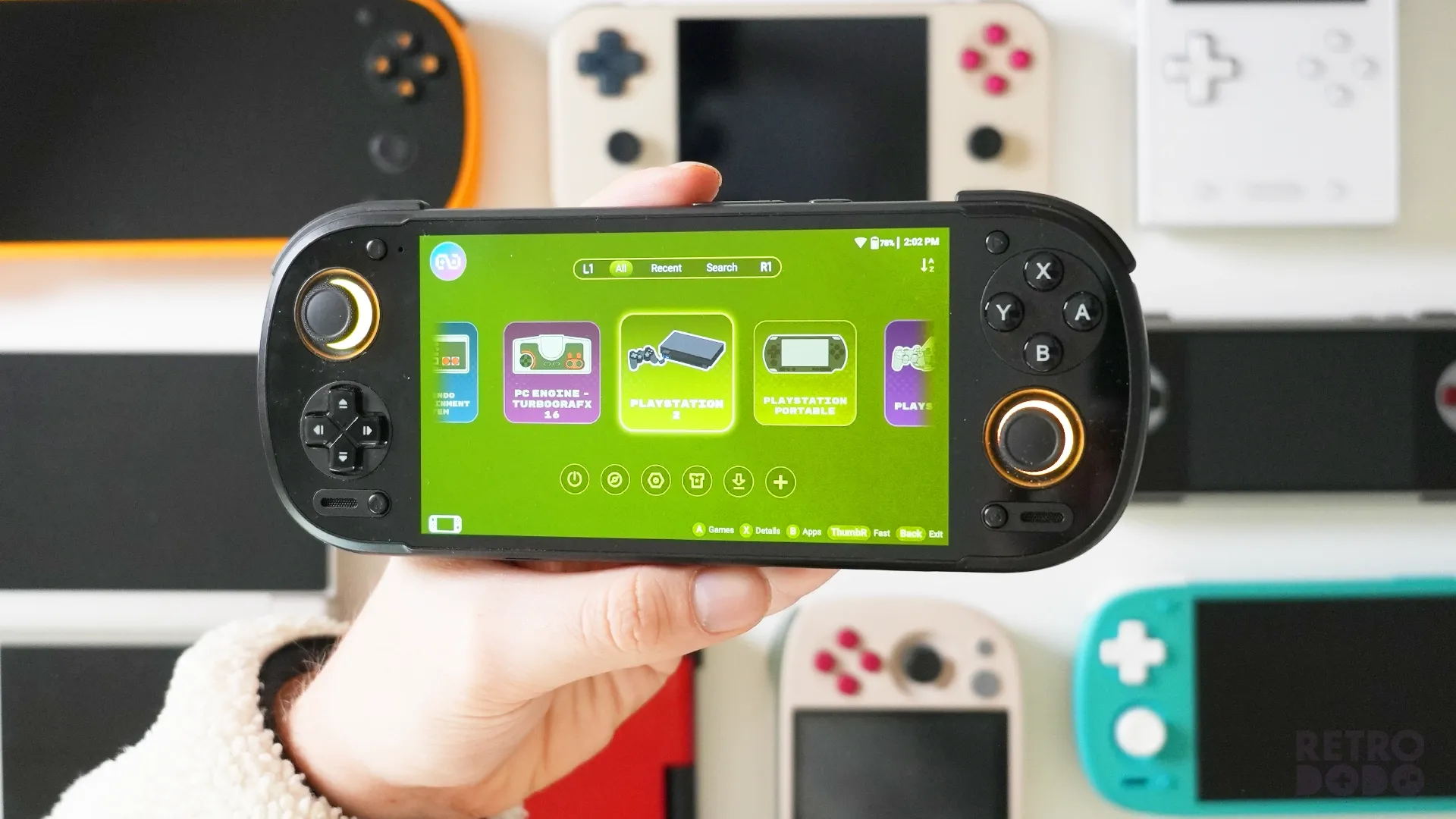
Retroid offers two versions of the Pocket 6 in terms of layouts, offering customers the choice to have the DPAD above or below the analogue stick, which is a nice touch, and was one of the requests from the community amongst the uproar.
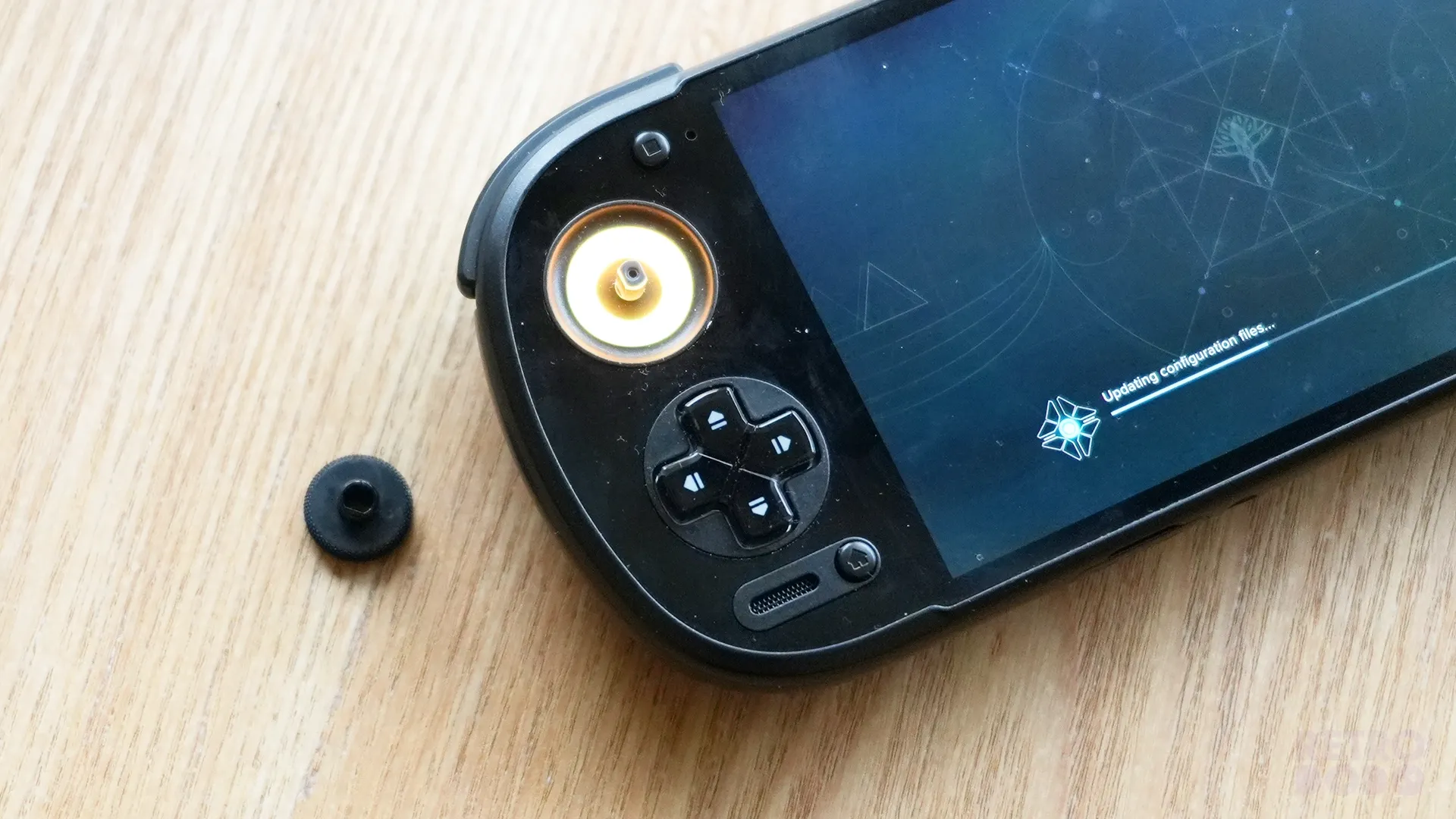
The sticks are hall-joysticks, have removable grips and LED lights behind them that can be set to almost any colour.
The DPAD is small, lightweight, sensitive yet flexible, allowing it to serve a multitude of uses in both slow and fast-paced scenarios. It feels very PS Vita-like. It can be moved more than usual in the shell, so if you're really pushing this thing, there's enough space for crumbs and dirt to fall in between the cracks.
On the otherside, action buttons that are high gloss, good travel that bounces off of the conductive rubber and makes very little noise, which will please my fiance (she hates it when I play on handheld with clicky action buttons, especially in bed).
Around the corners of the glass face, you'll find buttons such as start, select, menu and back, with two very well hidden speakers on the front that sound pretty good.
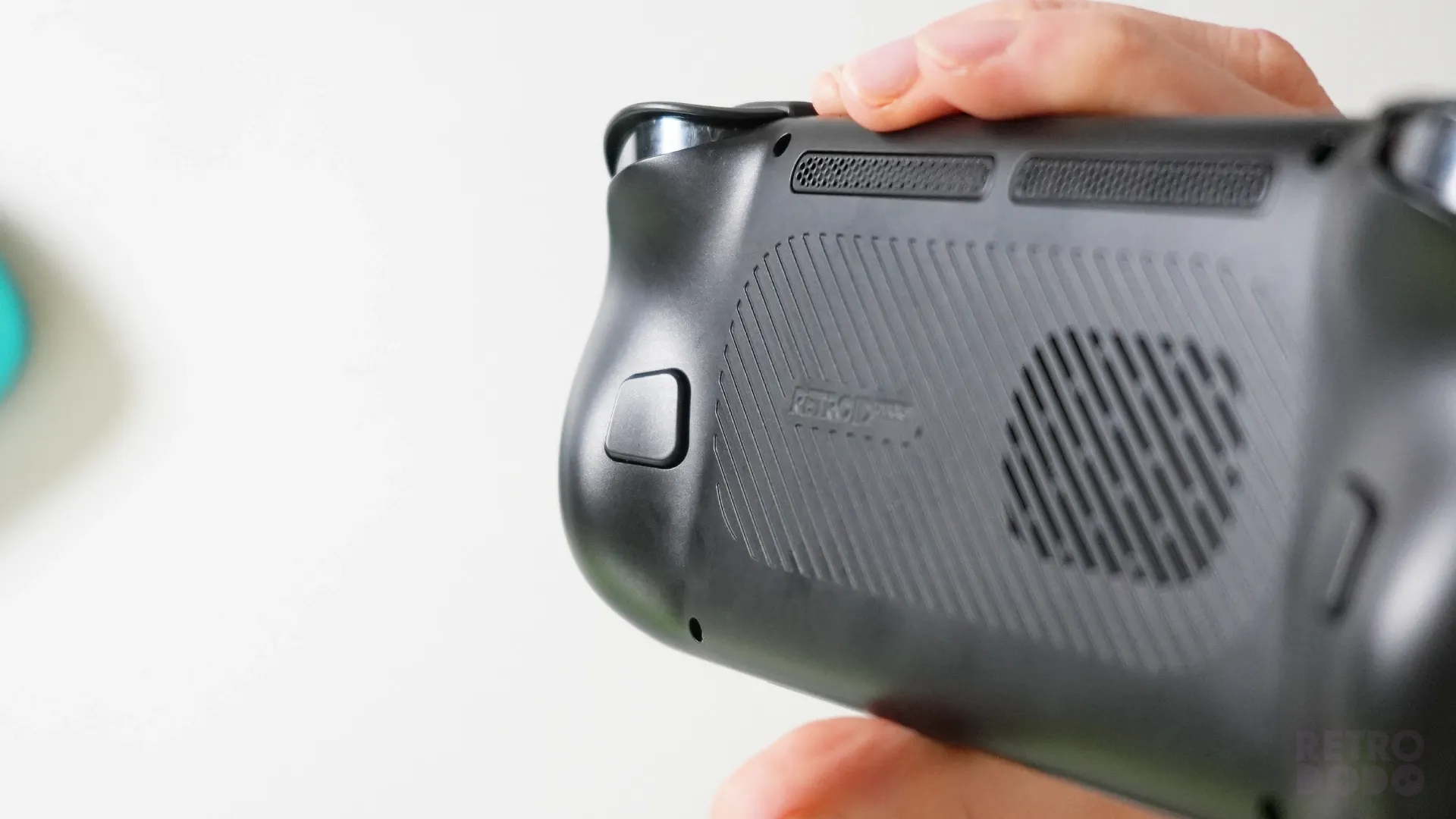
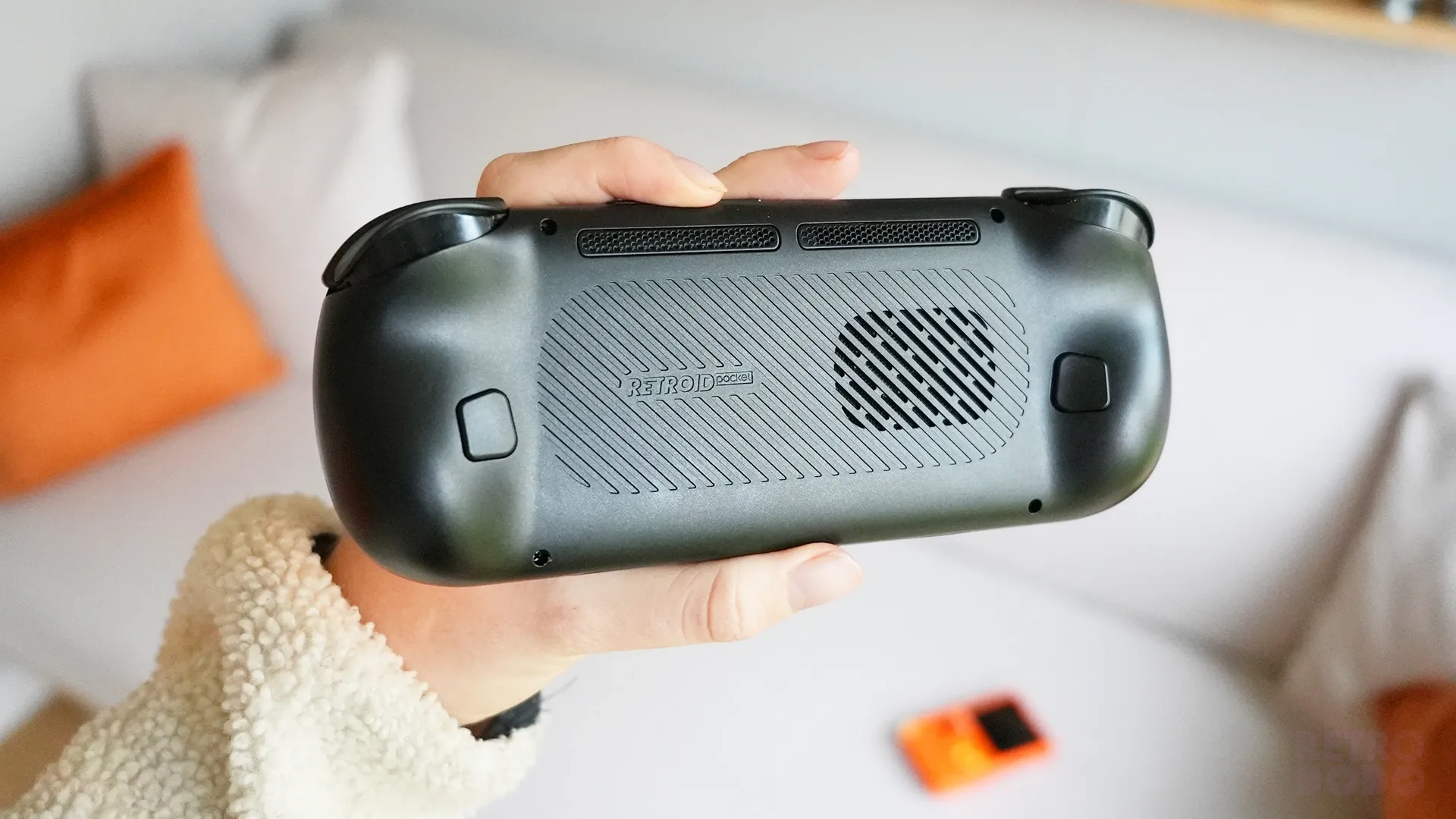
Retroid always have nice shoulder buttons; these are flared and are on the large side, which is what you'd want on an Android device of this calibre. The back triggers are soft, travel far, are analogue and won't make much noise. R1/L1 do make noise and wrap around the sides a little more. Each is very responsive and of high quality.
Between them are your volume buttons and an on/off button. I would have liked to have seen a fingerprint reader here, it's a $250 handheld after all, so give me the modern tech!
On the bottom a SD card slot, a headphone jack and a off-centered USB-C port, which I'll admit is a little odd. I have read that it doesn't really fit their dual-screen attachment either, but I don't have one to test, so keep that in mind if you do plan on pairing this with their second screen attachment.
The button placements, lovely curved grips on the back, front-facing speakers and quick access to the menu buttons make this a very comfortable, well-oiled handheld console that doesn't disappoint in any way when playing games.
The Display
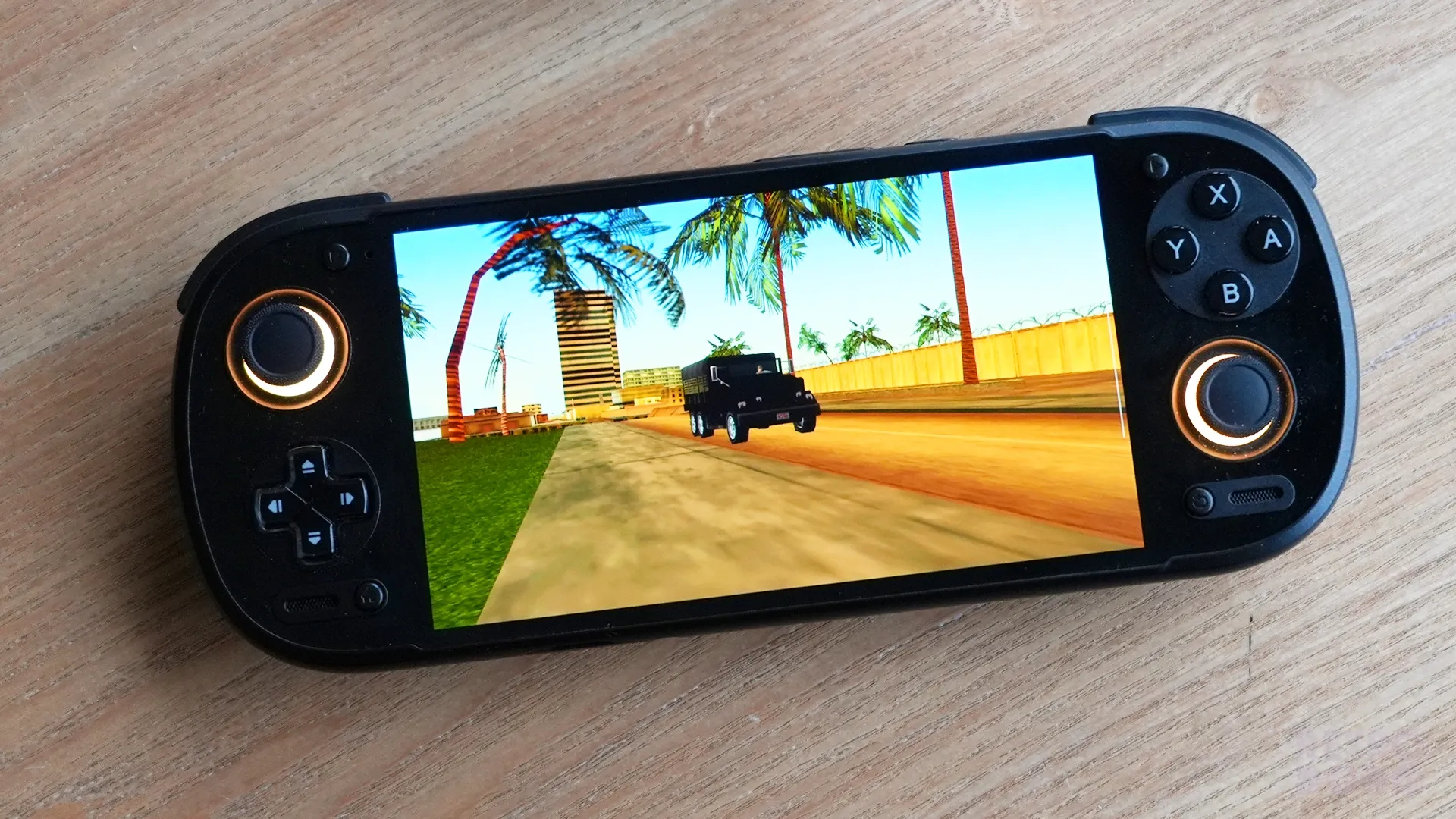
Luckily, Retroid have paired the good ergonomics, high-quality buttons and comfortable design with an AMOLED 5.5" display that also doesn't disappoint.
A 5.5" AMOLED display makes the device feel incredibly modern. The brightness, the sharpness and the fast refresh rate add to the experience of exploring an array of games, both retro and modern on this device.
It's a 16:9 ratio which doesn't fit many retro games naturally otherthan PSP really, but it does open up the opportunity to explore Android games and Cloud Streaming.
And that's what this is. This is not a retro handheld. This is a high-end Android games console. And I want to make that clear because a lot of people, like myself, will go into this wanting to focus on retro games, when in fact the beauty in it is higher-end emulation, such as PS2 and Android gaming, in my opinion.
It's too good, and too powerful to restrict it to retro emulation, because of the screen and specifications... and also price.
This is a beautiful display, one I simply cannot fault. There's no screen tearing, no light bleed, great brightness adjustments, and it's incredibly crispy. The only thing I would say is that competition in the future will likely have higher refresh rates, but in all honesty, that's not a huge negative; it's hardly noticeable at this level.
OS/UX
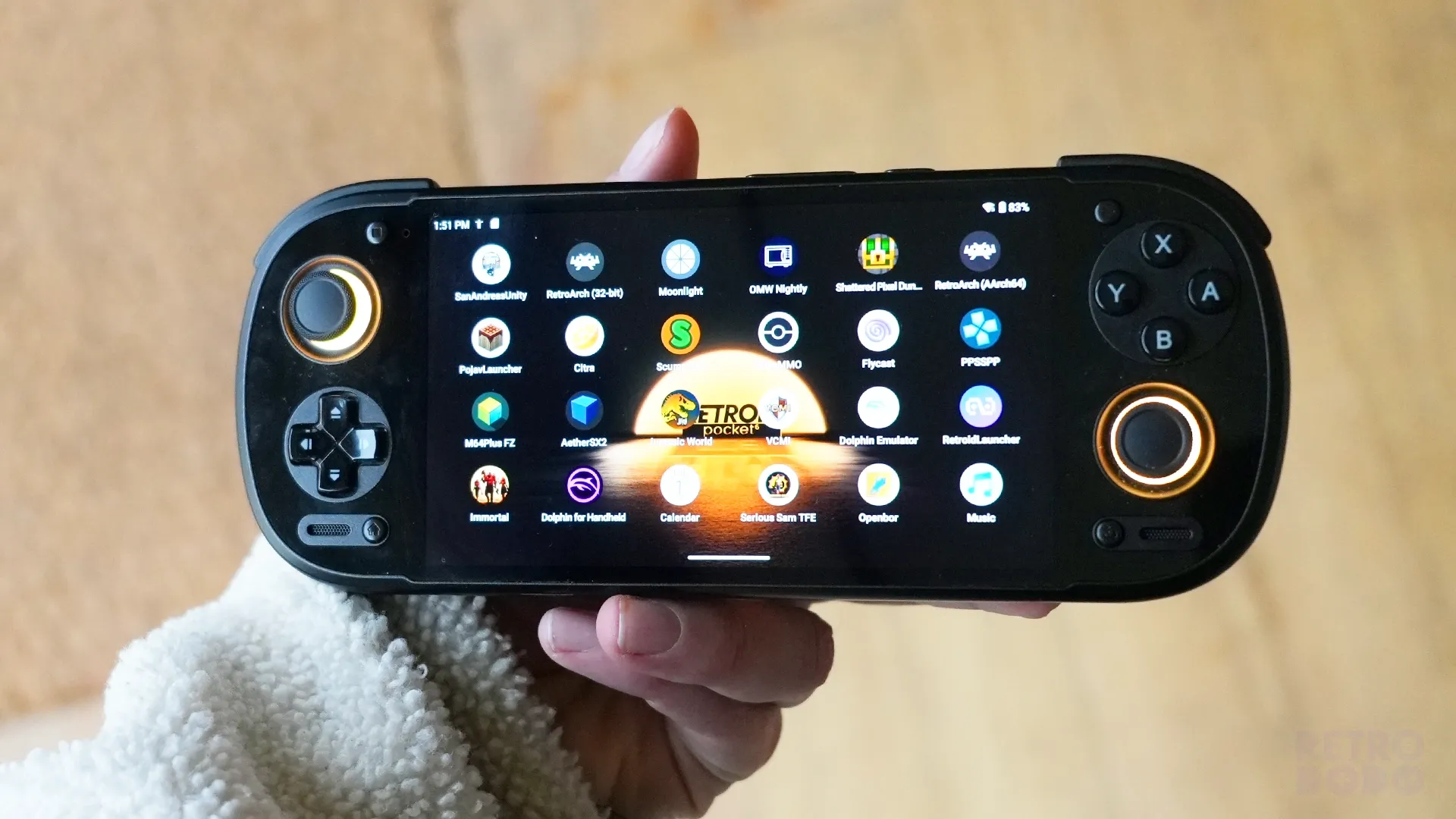
The Retroid Pocket 6 runs on Android 13, a great, reliable version of Android that offers an insane ammount of customisation options and games.
Android gaming is popping off this year, for good reason, and typically in the handheld space, these consoles are gtting bigger screens, which pairs well with what Android gaming offers.
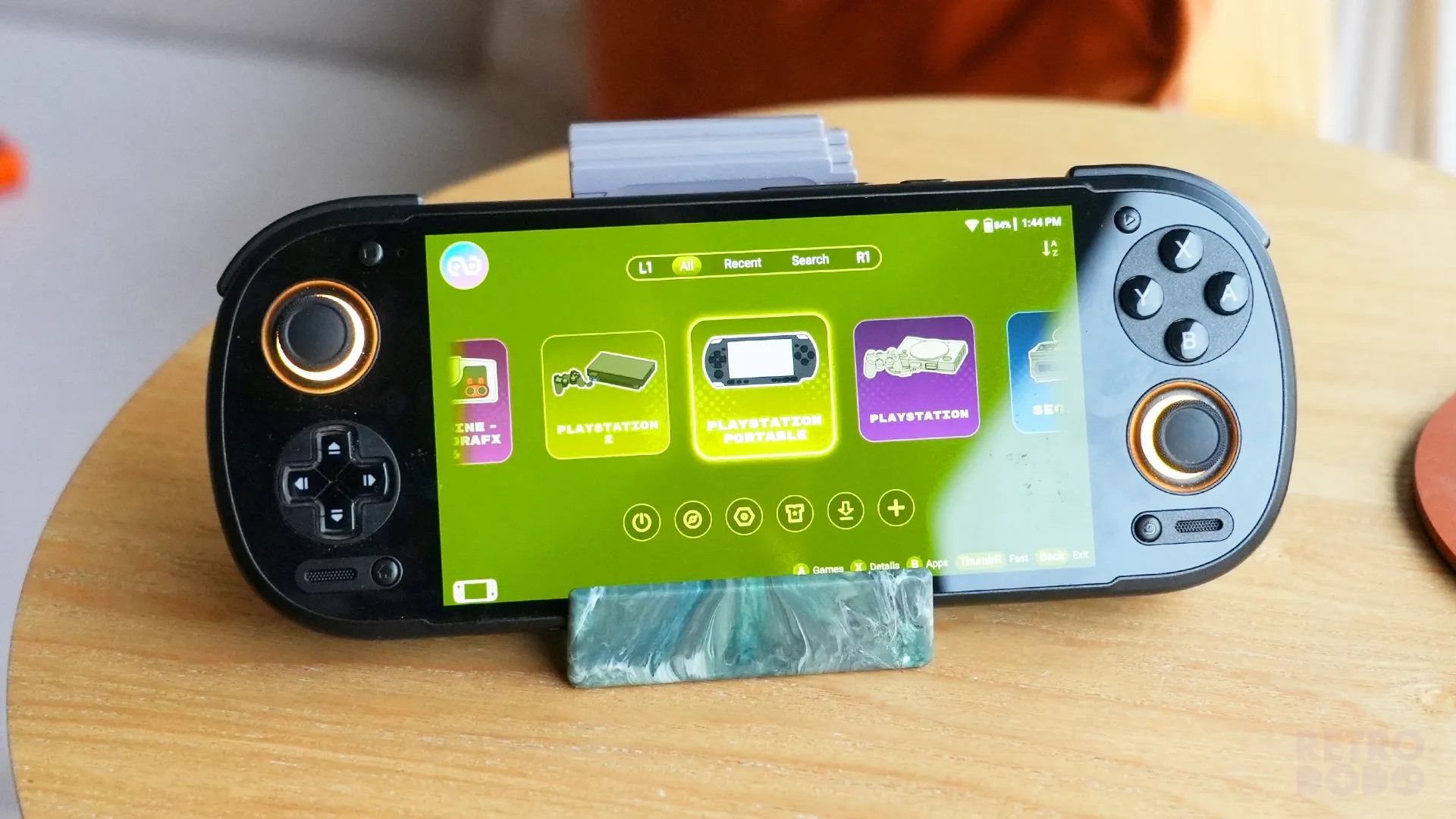
Retroid offer a custom front-end which is a colourful, playful way to organise your retro games library alongside tweaking your handheld's settings under one application.
Though, in my opinion, there are better options on the PlayStore to explore if you're comfortable with that, but as a pre-installed front-end, it's one of the best to come from a Chinese "retro" handheld manufacturer; I have little complaints here.
With the swipe of your fingers in most directions on the screen, you can jump into Android settings to change brightness and performance on the go with a single press, for those wanting to jump from normal mode to performance mode, for example.
A different swipe will jump you into app-specific settings to tweak games, and then another swipe up, for example, will allow you to jump between apps using Android, so all in all, Android makes it easy to explore the entire handheld on the fly.
It's certainly not as fluid as Linux-based handhelds, but it's the price you pay for customisations and Android applications being at your fingertips.
Emulation Performance
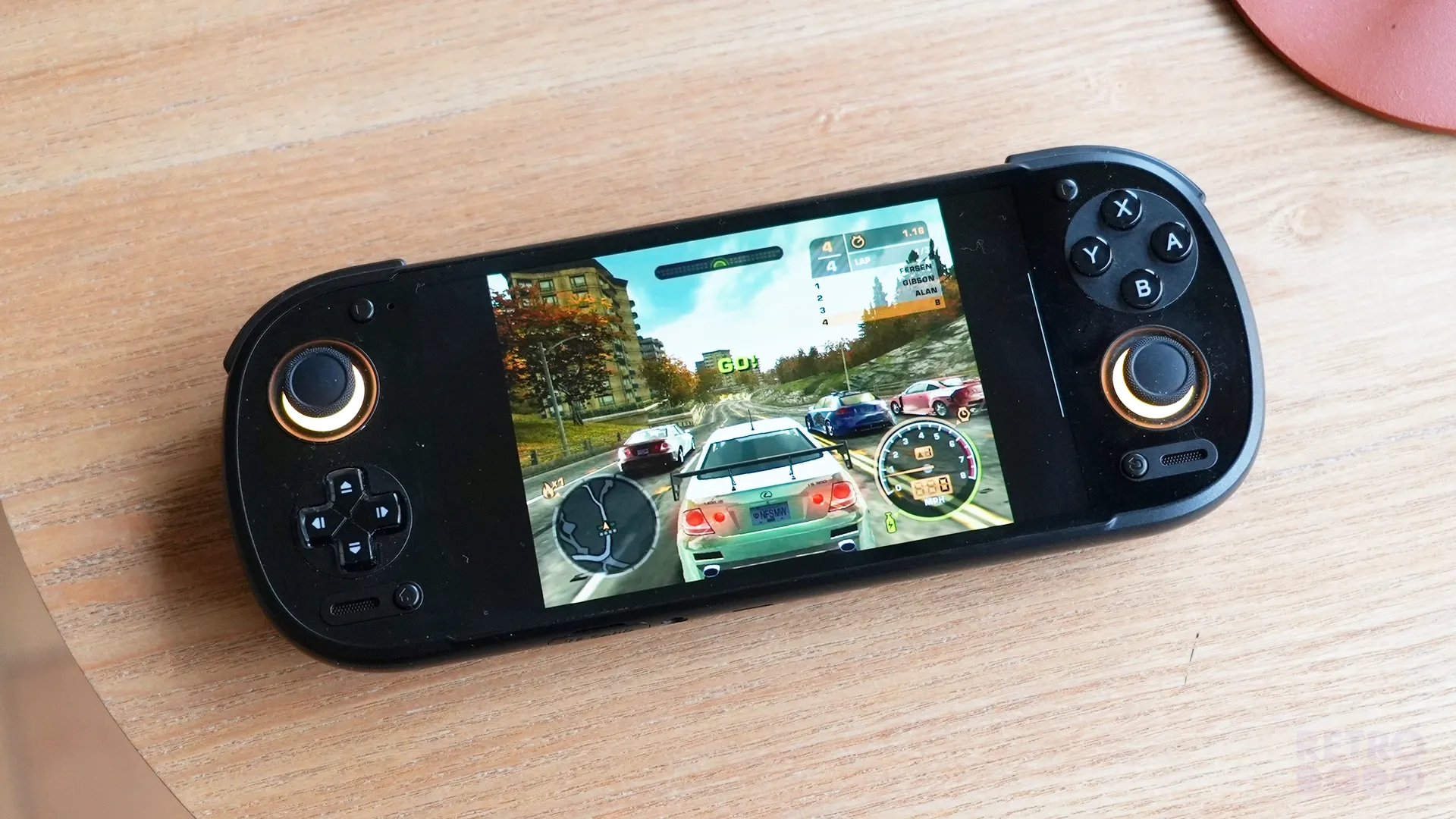
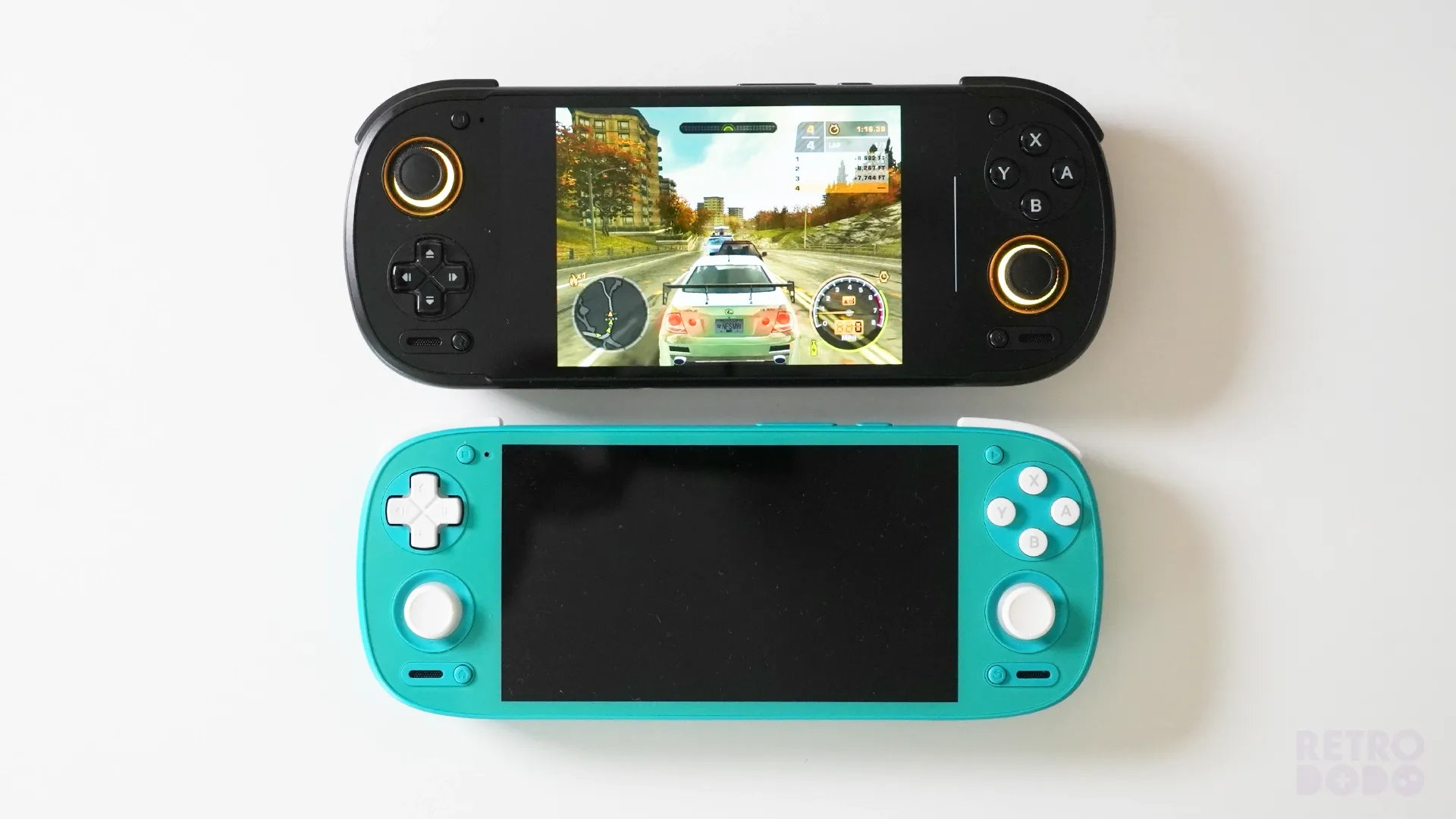
This packs some serious power in a very small formfactor. This is one of the smaller Android handhelds I own, bigger than the AYANEO Pocket Air Mini, but smaller than the KONKR Pocket Fit.
It's truly portable in my opinion, not as far as pocketable, which contradicts its name, but in the sense that it can fit in a sling, or a small backpack, and it doesn't require you to tense your biceps when holding it.
The 5.5" display is as big as I'd like in a portable handheld like this, anymore, and it removes the pocket-friendly, cute handheld nature of the device.
Putting this to the test, the Retroid Pocket 6 ticked all my retro gaming needs with ease, going so far as emulating some pretty power-hungry PlayStation 2 games at 1.5x and 2x native resolution, such as Need For Speed: Most Wanted.
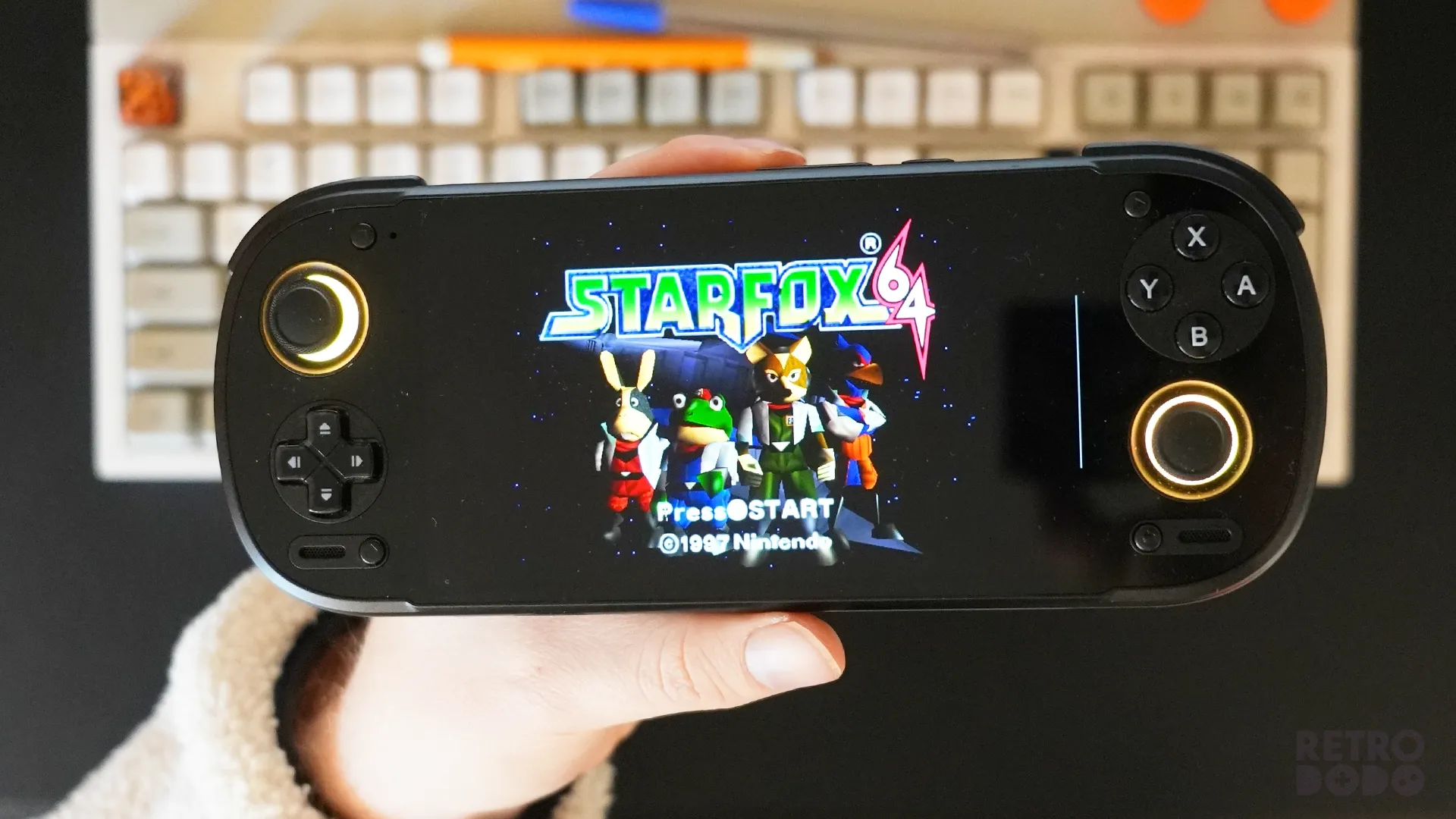
Which is impressive on a device of this size. Yes, you'll be required to pump this up to performance mode and listen to some fan noises, but all in all, PS2 performance was great if you don't mind tinkering between upscaling settings now and then.
With that, it means all of your other consoles are going to perform very well, including Gamecube at 3x native resolution, Dreamcast at 4x, PSP at 4x (which takes up the entire screen) and PS1 at 4x, making your retro games look incredibly crispy on this AMOLED display.
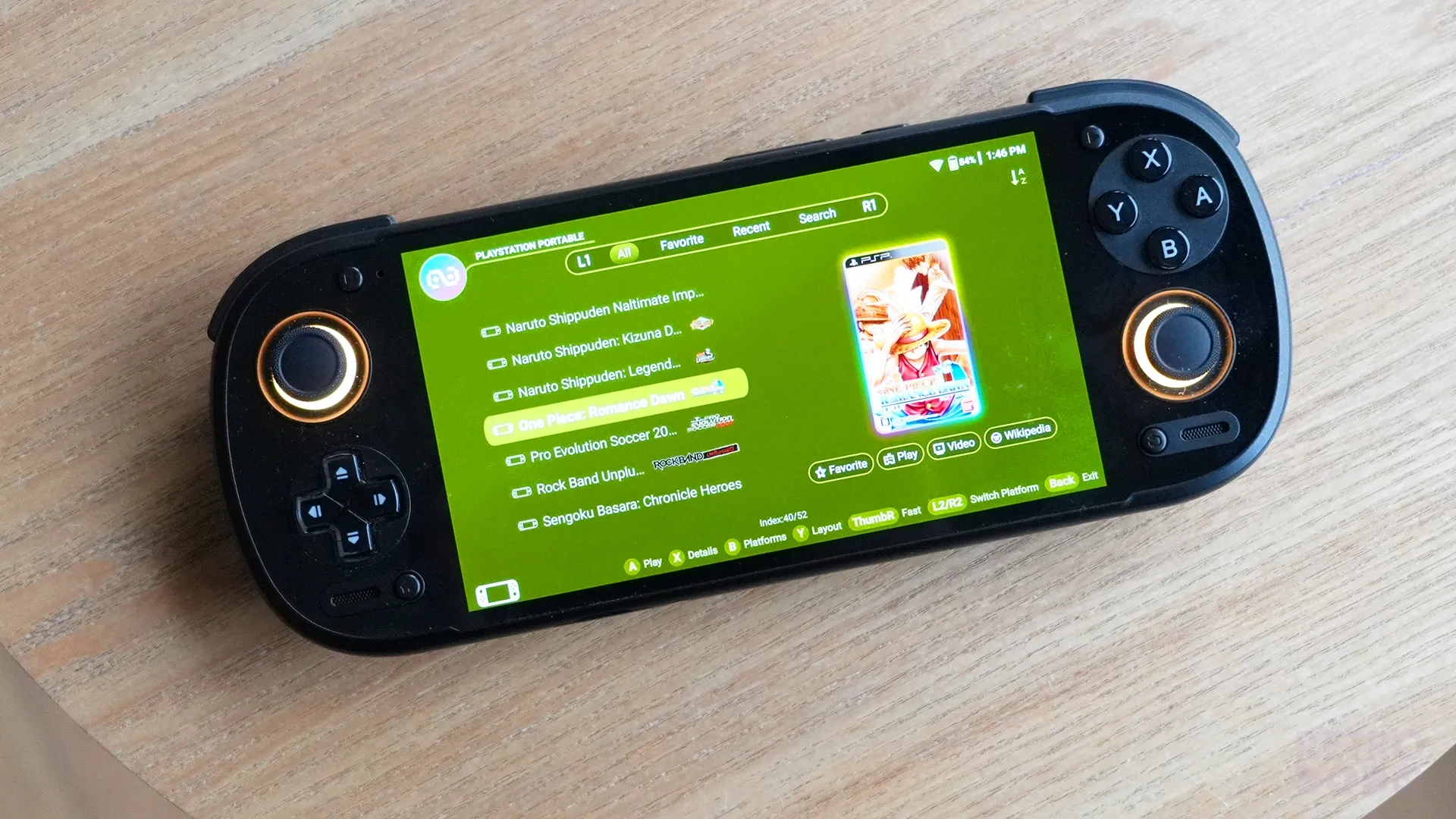
You'll have borders on most of your retro games, which can feel like a waste, but hey, this is a 16:9 display; you knew that before buying it.
Some will ask if this can emulate Nintendo Switch games, and it does to a certain extent, but I feel uncomfortable promoting that, as many will take advantage of "stealing" those games without benefiting the developers behind them for emulation, so I won't be showing that.
But for retro games that are no longer made, produced or available for purchase, you're good.
Android Gaming & Cloud Streaming
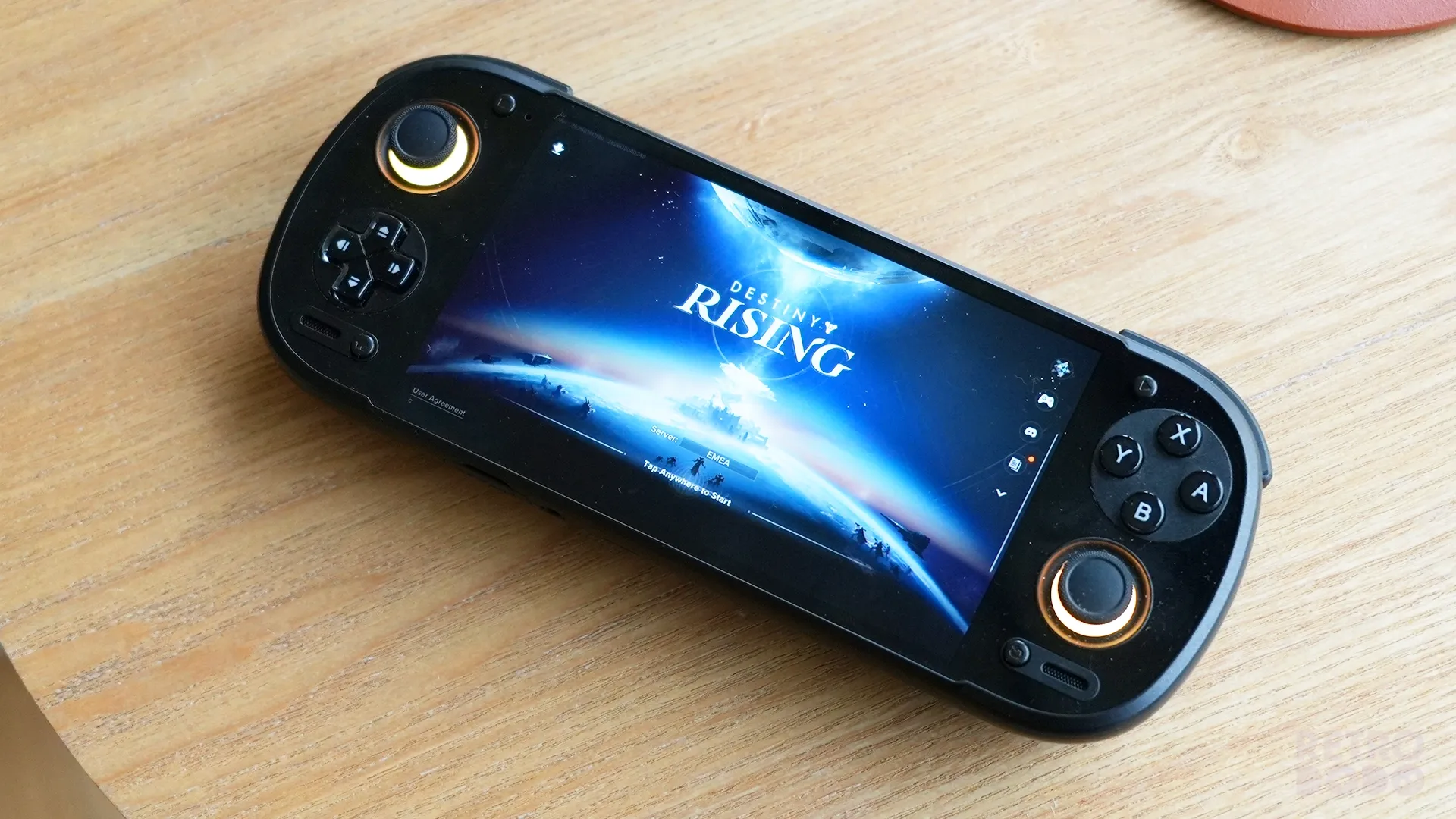
If anything, this device is better at playing Android games than retro games, but the magic is combining them both under one well-made roof, so to speak.
For those wanting to explore high-end Android games, alongside retro games, then this is a fantastic device, which actually forced me into finding new Android games to add to my console.
So although I am not an Android gamer, I found myself trying one Android game, then another, then another and in just a couple of weeks, I was diving into Android games just as much as retro games.
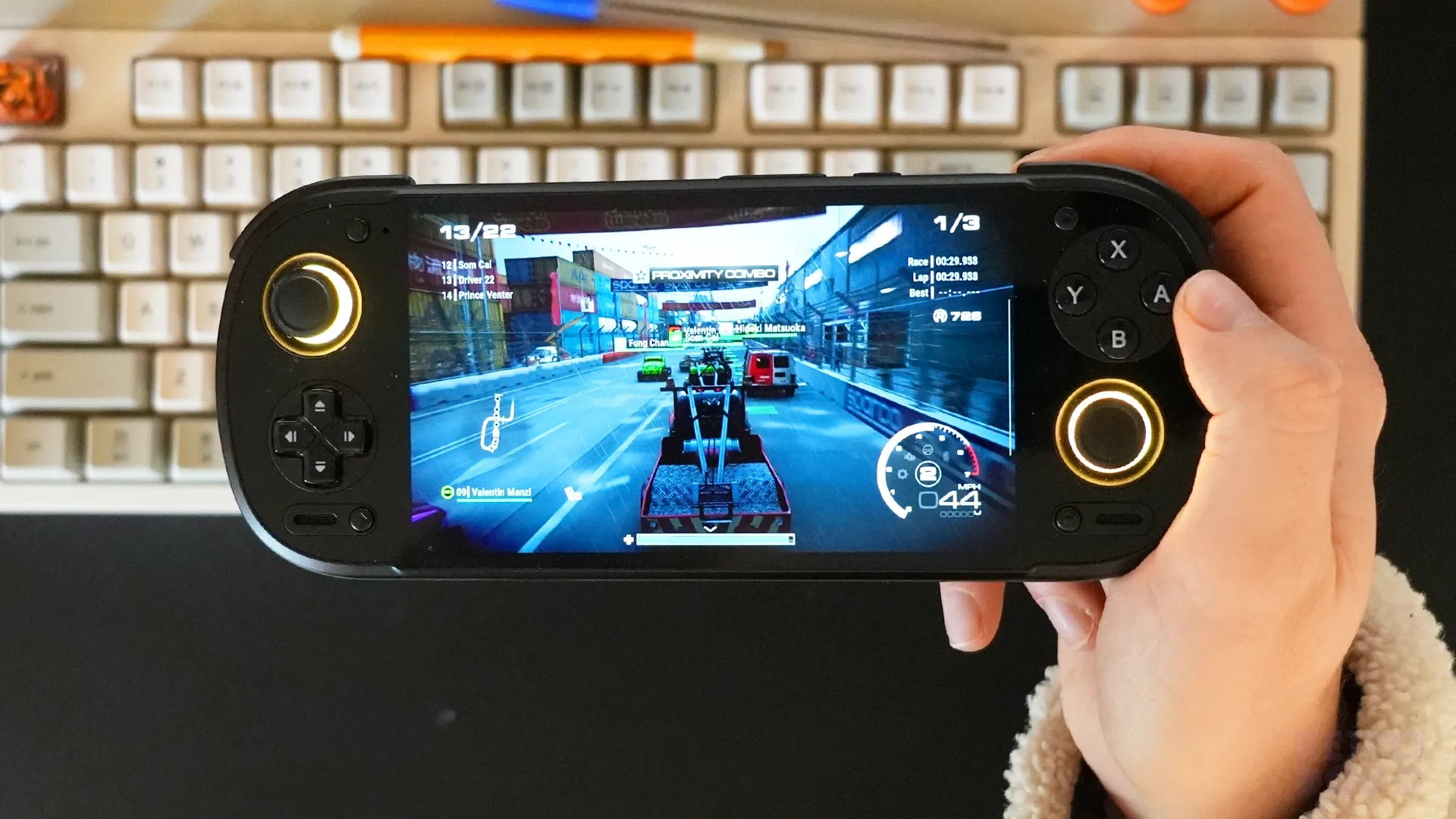
Which surprised me, and cements my opinion that this is not a retro handheld, it's an all-rounder, capable of assisting with many of your portable gaming needs.
I dived into cloud streaming too via Xbox Game Pass, and this worked very well thanks to the array of controls on the Pocket 6, and the 5.5" does just about okay in most games. You wouldn't want any smaller due to the text.
Cloud Streaming won't be comfortable for long gaming sessions here because of the screen, but it's enough to scratch an itch for an hour or so.
Battery Life
The 6000MAH battery can last a fairly long time, depending on what you're using it for, but it can also be emptied pretty darn quickly, so it all comes down to how much power you are using, brightness levels, speaker volume, etc.
On average, for me, I was getting around 4.5 hours of battery life out of this, and that was me using it for a bit of everything, from GAME BOY Advance to PS2 to Diablo Immortal on Android, etc.
If you're just using this for GAME BOY, SEGA Mega Drive and small Android games that can be used in standard mode, you can push to 6-8 hours.
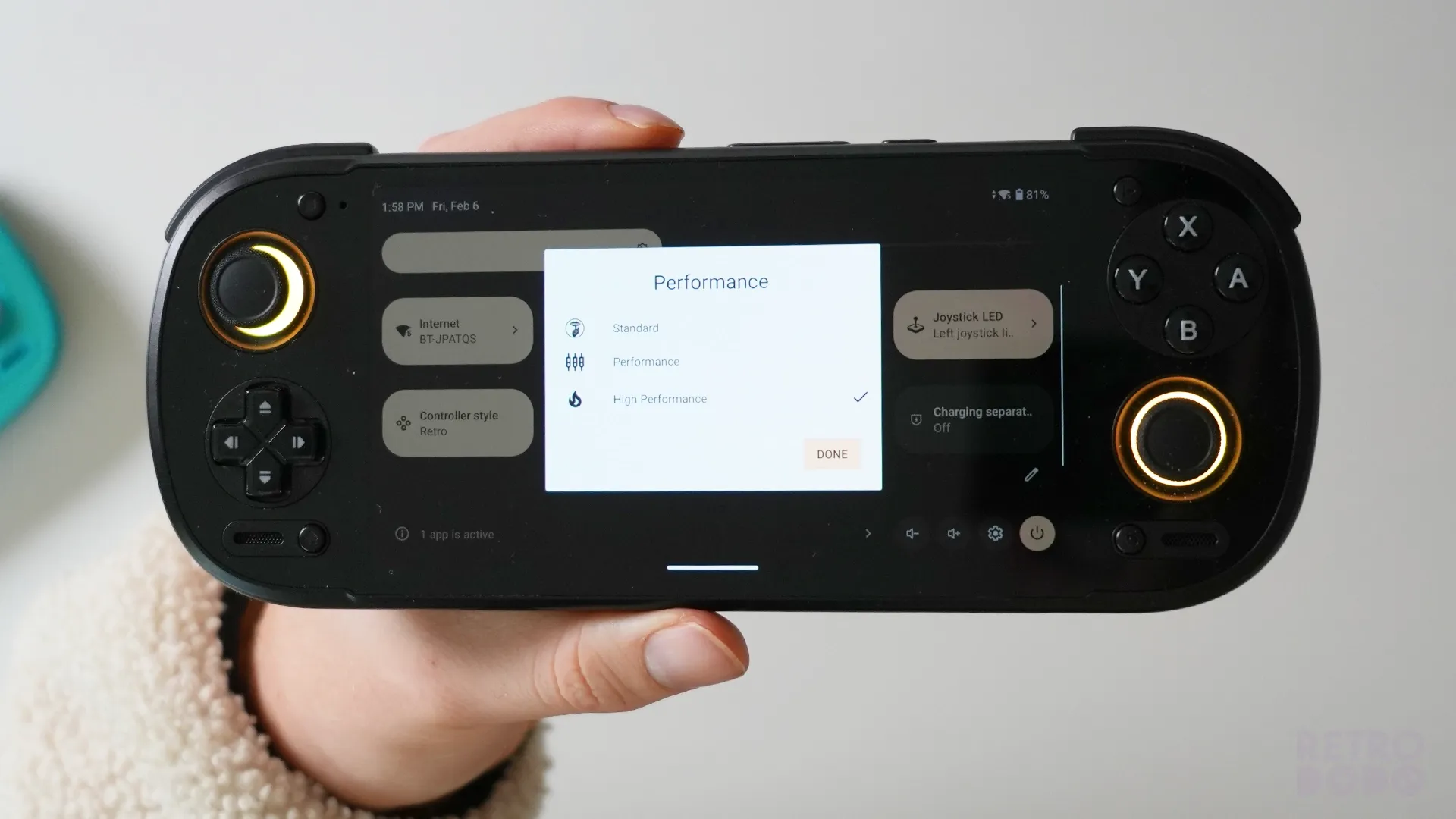
If you're going full hog, on high performance only, 2.5/3hours is where you'll find yourself before notifications start warning you about your battery life.
And this mix of durations is fine by me, I don't expect incredibly long battery life from a small, powerful device like this.
Worth The Upgrade From A Pocket 5/G2?
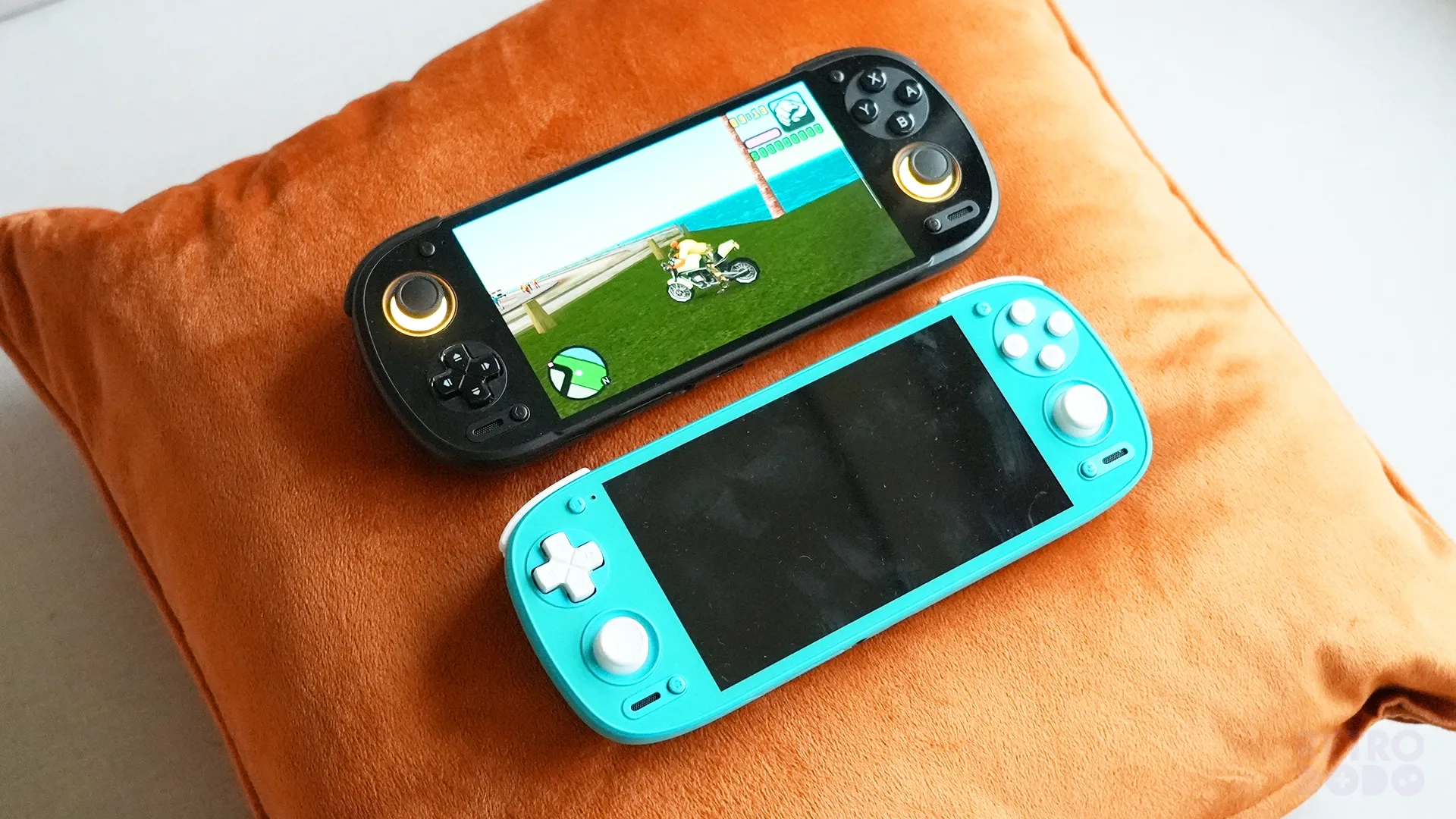
No. The Pocket 5 and G2 are way too similar in both design, comfort, and specifications for me to feel comfortable advising you to pay a large $250 price tag for such a small return.
The only reason you would upgrade is for extra upscaling in higher-end resolution on retro games and a bit of a power bump when it comes to Android gaming. The extra 1000MAH of battery will give you another hour or so of gaming if you're fed up with putting the 5/G2 to its limits.
But this is far too similar to its older brothers in almost everyway, and I think it's another reason why this device hasn't excited me in any way.
Overall Opinions
- Perfect Performance For Emulation & Android Gaming
- A Stunning AMOLED 5.5" Display
- Easy To Understand Front-End
- High Quality Buttons
- Great Comfort & Ergonomics
- Lacks Anything New/Exciting
- Medicore Product Design
- No Fingerprint Read or Trigger Locking Shoulder Buttons
- Off-centred USB-C Port
This is a remarkable $250 Android handheld for those wanting a portable powerhouse that can not only emulate most of your retro consoles, but also dabble in high-end Android gaming and cloud streaming.
It has not disappointed me in anyway in regards to performance, Android user experience or exploring Retroid's own front-end.
The only disappointment comes from knowing that Retroid can do better here. A $250 device should have something unique, or look/does something different/better in comparison to other competitors on the scene.
Visually, too, it's very basic, and I believe Retroid have played it too safe to turn heads. The heads they should be turning already have older, similar handhelds that look better, or are eying up competition that are actually exciting the community.
So if you don't have an Android handheld and have a budget of $250, this is the best you're going to get if you don't mind going for something that looks like everything else on the market.
But if you're looking for something new, and already have an Android gaming device, this is a hard pass right now, only because the market is moving so fast, that there are more exciting options to look at it.
And also because I believe Retroid are cooking up a dual-screen handheld to compete with the AYN Thor, which will actually be something exciting from Retroid, finally.


